Understanding the Importance of Choosing the Right Cooking Oil for Wok Cooking
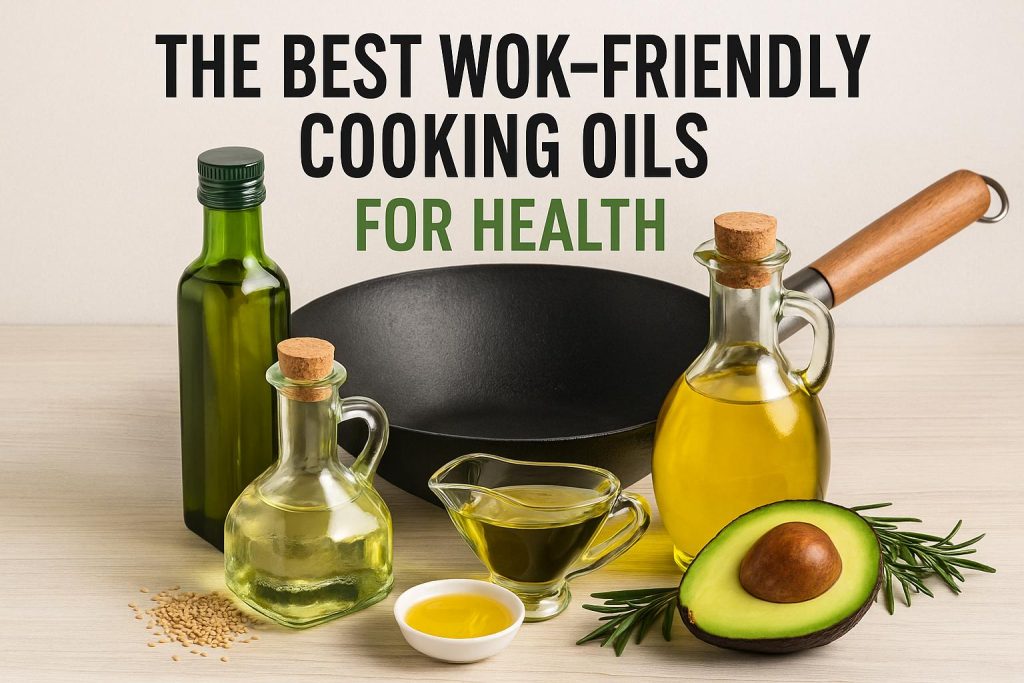
Wok cooking has long been celebrated for its ability to produce flavorful, crisp, and vibrant dishes, a feature largely attributed to its high-heat cooking methods. However, achieving such results requires more than just skill and the right ingredients; the choice of cooking oil plays a pivotal role. When selecting an oil for wok cooking, it is critical to examine several factors including the oil’s smoke point, flavor profile, and nutritional content. These elements collectively impact not only the dish’s taste and texture but also its nutritional value.
Smoke Point: A Crucial Consideration
In the realm of cooking, the smoke point of an oil is a key characteristic to consider, especially for high-heat applications such as wok cooking. Defined as the temperature at which an oil starts to produce smoke continuously, beyond this point, the oil disintegrates and can impart a burnt or bitter flavor to the dish. Moreover, oils breaking down at their smoke point may release free radicals, which can be harmful to health. Thus, for wok cooking, oils with higher smoke points are recommended to ensure that they maintain their integrity under high temperatures, avoiding any negative sensory and nutritional consequences.
Popular Oils for Wok Cooking
Various oils have proven themselves apt for wok cooking due to their high smoke points and suitable flavor profiles. In culinary practices, certain oils are favored for their ability to withstand cooking heat while either complementing or not significantly altering the dish’s primary flavors.
Avocado Oil
Avocado oil stands out for its elevated smoke point of approximately 520°F (271°C), making it one of the most heat-resistant oils suitable for wok cooking. Besides its thermal resilience, avocado oil is valued for its composition high in monounsaturated fats, which are beneficial for heart health, aiding in the reduction of LDL cholesterol. Furthermore, its mild, buttery flavor is versatile enough to not overpower other ingredients, accentuating the dish’s intended flavors subtly.
Peanut Oil
In many Asian cuisines, peanut oil is a preferred choice due to its high smoke point of around 450°F (232°C), making it ideal for searing and quick stir-frying. Its subtle, nutty flavor not only enhances but also harmonizes with the seasoning and spices commonly used in wok-cooked dishes. In addition to its flavor profile, peanut oil provides a good balance of monounsaturated and polyunsaturated fats, contributing positively to heart health.
Soybean Oil
A widely accessible and economically viable option, soybean oil boasts a smoke point of roughly 450°F (232°C). This neutral-flavored oil doesn’t interfere with the natural taste of the ingredients, making it versatile across various recipes. Nutritionally, soybean oil is rich in polyunsaturated fats with a favorable effect on cholesterol levels, thus supporting cardiovascular health.
Canola Oil
Canola oil, with its smoke point at about 400°F (204°C), is another popular option due to its neutral taste that does not interfere with the flavor of a dish. It has lower saturated fat content compared to other vegetable oils and is rich in omega-3 fatty acids, which play a role in reducing inflammation and improving heart health.
Factors Beyond the Smoke Point
While the smoke point is a primary determinant in choosing oils for wok cooking, it is not the sole factor to consider. Elements such as flavor and nutritional properties are equally significant, especially for those who prioritize health through dietary choices. These factors help ensure that the chosen oil not only can withstand high temperatures but also contributes to the overall healthfulness and taste of a dish.
Taking Flavor into Account
Each oil presents a unique flavor profile that inevitably influences the final taste of a meal. Oils like peanut and sesame oil are known for their nutty characteristics that add a distinctive, authentic note to traditional Asian dishes. On the contrary, when the goal is to let the natural flavors of the ingredients shine, neutral oils such as canola or soybean are more appropriate. They allow for the primary flavors of the dish to remain undisturbed, offering flexibility in culinary creativity.
Nutritional Value: An Added Benefit
Beyond their functional roles in cooking, the nutritional content of oils can impart added health benefits. Oils with a higher proportion of monounsaturated and polyunsaturated fats, such as avocado and canola oil, support heart health and can contribute to reducing cholesterol levels. Additionally, the presence of omega-3 and omega-6 fatty acids in oil compositions, like that of canola, plays a crucial role in overall well-being, supporting both cardiovascular and cognitive health.
Conclusion
Selecting the appropriate cooking oil for wok use requires a holistic approach that encompasses more than just the smoke point. While the ability to withstand high heat is fundamental, it’s equally important to consider the oil’s flavor profile and nutritional benefits. Oils such as avocado, peanut, soybean, and canola excel in meeting the requirements for high-heat cooking while offering diverse health benefits. By understanding the characteristics and advantages of each oil, cooks can enhance both the taste and the nutritional quality of their culinary creations, making dishes not only delicious but also health-conscious.
Introduction
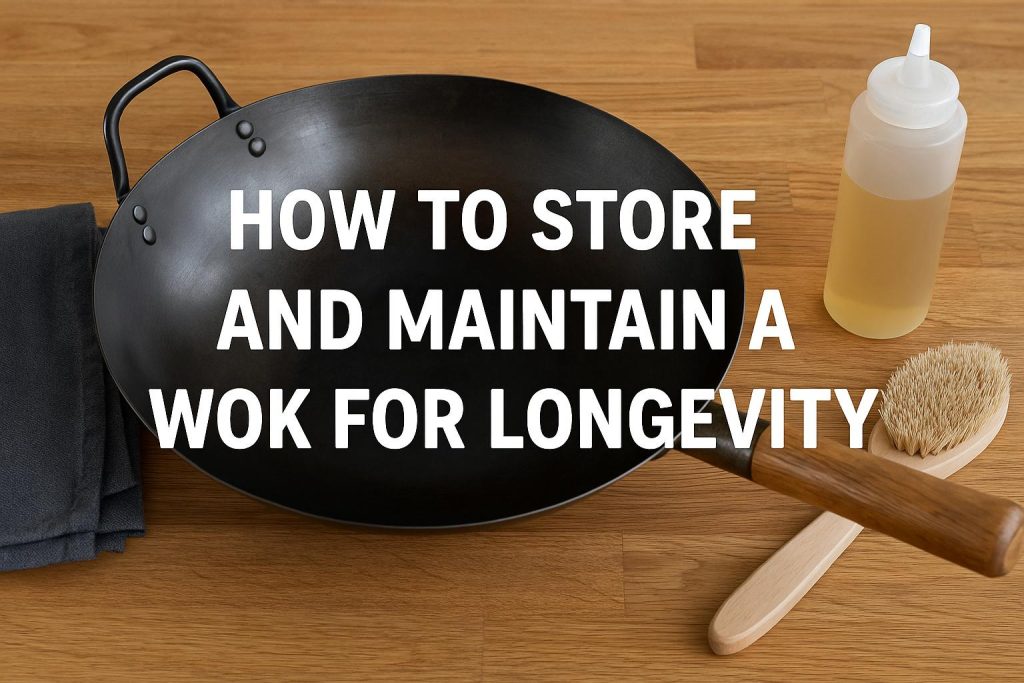
Maintaining a wok properly is essential for ensuring its longevity and optimal performance in your kitchen. Woks are versatile cooking tools, beloved by culinary enthusiasts worldwide for their multi-functional capabilities and ability to cook food quickly and evenly. This article offers comprehensive guidance on how to store and maintain a wok, highlighting essential techniques and tips that will serve both novice cooks and seasoned chefs alike. A well-maintained wok not only enhances your cooking experience but also contributes to more flavorful dishes.
Seasoning Your Wok
Proper seasoning is a foundational step in prolonging a wok’s durability and enhancing its non-stick properties. The process of seasoning involves treating the wok to create a protective layer on its cooking surface. This protective film is crucial because it helps to prevent rust and provides a natural non-stick property. Begin by washing away the protective factory coating with warm water and a mild detergent. This step is vital as the factory coating is meant to prevent rust during storage and shipping, but it is not suitable for cooking.
Once cleaned, thoroughly dry the wok with a clean towel. Ensuring the wok is completely dry is critical to avoid rusting in the initial stages of seasoning. Next, apply a thin layer of vegetable or peanut oil to its surface. Peanut oil is often preferred due to its high smoke point and neutral flavor, which won’t interfere with the seasoning process. Heat the wok on medium heat until the oil smokes slightly. This heating allows the oil to bond with the metal surface, creating the sought-after non-stick layer.
Benefits of Seasoning
Seasoning serves several critical functions that are pivotal to maintaining the wok’s quality. Apart from preventing rust, seasoning significantly enhances the wok’s natural non-stick surface, greatly reducing the amount of oil needed during cooking. This benefit is particularly appreciated in healthy cooking practices where minimizing oil use is desired. Consistently maintaining the seasoning layer also fortifies the wok’s resilience against acidic foods, which can break down metal surfaces over time.
Proper Wok Cleaning
After preparing your meals, appropriate cleaning methods ensure the longevity of the wok’s seasoned surface. Use warm water and a soft sponge to clean the wok immediately after cooking. Timely washing helps to prevent food residues from hardening on the surface. Avoid abrasive sponges or steel wool, as they can strip away the delicate seasoning layer, diminishing the wok’s non-stick properties and potentially exposing the metal to rust.
For stubborn food particles that resist gentle washing, soaking the wok briefly in warm water before washing can ease their removal. If necessary, use a small amount of mild detergent, though it is generally preferable to rely on plain water to preserve the seasoning.
Avoiding Dishwashers
Never place your wok in a dishwasher. The harsh detergents and high temperatures found in dishwashers can severely damage the wok’s seasoning, removing the protective layer and, consequently, reducing the wok’s overall lifespan. Handwashing provides the gentle care needed for the wok’s sustained use and performance.
Drying and Oiling
Post-washing care involves diligent drying and oiling of the wok. After washing, it is essential to dry the wok immediately to prevent rust, which is one of the key enemies of metal cookware. Heat the wok on the stovetop briefly to ensure all moisture evaporates. This brief reheating evaporates any remaining water droplets, reducing the risk of rust.
Once dry, apply a thin coat of oil to its interior and exterior surfaces. This step forms a protective barrier, especially important if the wok will be stored for an extended period. Regularly oiling your wok sustains its seasoning and ensures it remains ready for the next cooking session.
Storage Solutions
Proper storage of your wok prevents damage and maintains the integrity of its seasoning. The choice of storage method also reflects your kitchen space and organization habits.
Location
Store the wok in a cool, dry place to prevent rust and maintain the integrity of the seasoning. Avoid locations where it may be exposed to fluctuating temperatures or humidity, as these conditions can encourage rusting and degrade the wok’s seasoned surface.
Hanging or Stacking
Ideally, hang your wok to prevent scratching and preserve its shape. This method keeps the wok free from stacking stress and allows for easy access. If space is limited, using protective pads between stacked cookware can help prevent damage. Such pads cushion the surface and preserve the seasoning from chipping or abrading. For more creative storage ideas, you may explore further kitchen organization techniques.
Regular Maintenance
Regular maintenance not only involves cleaning but also periodic checks and adjustments to keep your wok in prime condition. Regular use will naturally maintain the wok’s seasoning, as the frequent application of oil and heat continues to build and maintain the protective layer. If you notice any food sticking during cooking, it might be time to re-season the wok to restore its non-stick quality.
Additionally, inspect the handle or any wooden parts for signs of wear, tightening any loose screws or bolts. Secure handles ensure safe handling, especially during high-heat cooking.
Inspecting for Damage
Occasionally checking for cracks or imperfections, as well as wear in the protective coating, allows for prompt addressing of any issues. Early detection and correction of wear prevent minor issues from escalating into significant damage, extending the wok’s service life.
Conclusion
By adopting these practices, you ensure that your wok remains a reliable kitchen tool for years to come. Proper care in cleaning, seasoning, and storage significantly contributes to its longevity and performance, allowing you to enjoy culinary adventures with ease. Whether preparing a quick stir-fry or a slow-simmered dish, a well-maintained wok enhances the cooking experience, translating to tastier and more enjoyable meals. Properly caring for your wok not only protects your investment but also enriches your culinary journey, providing endless opportunities to explore diverse cooking styles and flavors.
The Origins of Wok Cooking
The wok is an essential kitchen utensil originating from China. Its history traces back over 2,000 years. Traditionally, the wok is a round-bottomed cooking pot that was designed specifically to cater to the unique cooking style prevalent in Chinese cuisine. The term “wok” itself comes from the Cantonese word “guō,” which means pot or cooking vessel.
Development Through Dynasties
Chinese dynasties significantly influenced the evolution of wok cooking. During the Han Dynasty, advancements in iron-casting techniques allowed for the production of durable wok variations. As technology progressed, the Tang and Song Dynasties saw improvements in both material and design, making the wok more accessible to households across China. This increased use solidified wok cooking as a staple method.
Impact of Regional Cuisines
The significance of the wok in Chinese culinary practices cannot be understated. As a versatile tool, the wok has been used in a variety of ways across different regions in China. Southern Chinese cuisines often emphasize stir-frying, a style that the wok is perfectly suited for due to its ability to maintain high temperatures rapidly. This cooking style encourages the ingredients to cook quickly, retaining their natural flavors and nutrients while imparting a desirable texture.
In contrast, Northern regions might use the wok for steaming, braising, or boiling. The adaptability of the wok allows for a broader range of cooking methods. In these areas, this flexibility has enabled the preparation of more substantial and heartier dishes, such as stews and soups, that require slower cooking processes to develop their intricate flavors.
Introduction to Western Kitchens
Wok cooking made its way to the West with the migration of Chinese communities during the 19th and 20th centuries. Chinese immigrants, particularly during the California Gold Rush, brought their culinary practices, introducing Americans to this unique method of cooking. The establishment of Chinese restaurants across Western countries further popularized wok cooking, often serving dishes such as stir-fries and fried rice that highlight the wok’s capabilities.
The migration brought about not only a curiosity for new flavors but also a demand for the efficient techniques embodied by the wok. In Western kitchens, the wok represented both an exotic cooking style and a practical tool for creating a variety of quick and nutritious meals. This integration into Western culinary practices demonstrated the wok’s universal appeal.
Wok Hei: The Essence of Wok Cooking
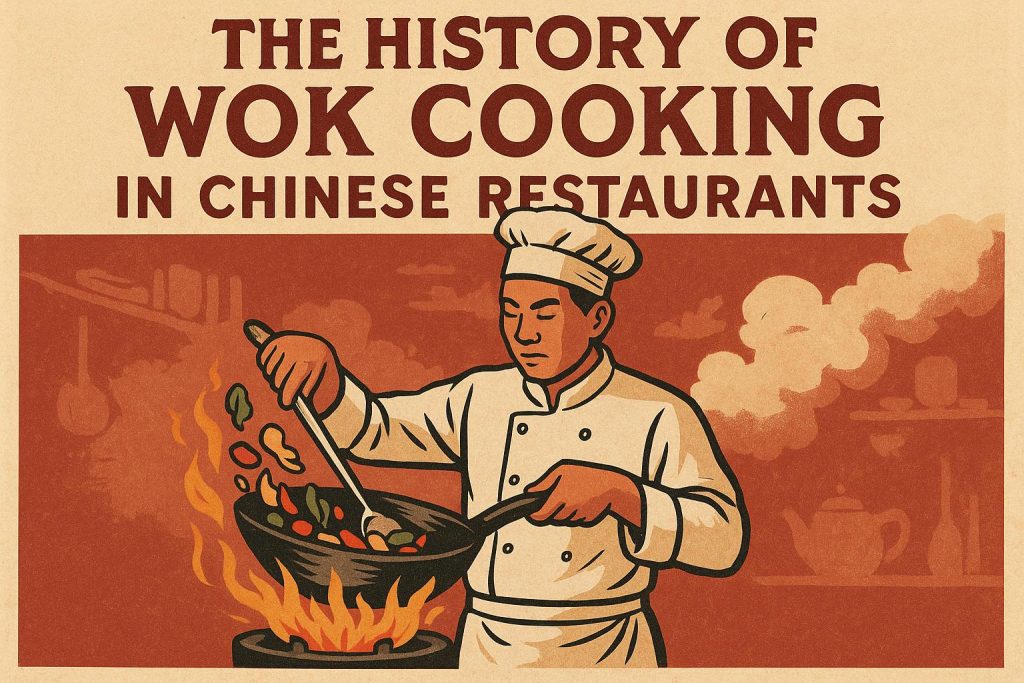
A crucial concept in understanding wok cooking is “wok hei,” or the “breath of the wok.” This refers to the distinct smoky flavor absorbed by food during high-heat wok cooking. Achieving wok hei requires adept control of temperature and technique, a skill greatly prized by chefs in Chinese restaurants.
The process of obtaining wok hei involves using high heat to seal the food’s juices and ensuring that the exterior becomes charred to perfection without burning. This imparts a unique aroma and flavor that is often associated with expertly executed Chinese cooking. Mastering wok hei is considered a significant achievement, reflecting the culinary skills and traditional knowledge passed down through generations.
Material and Design Considerations
The design and material of the wok have profound effects on its functionality. Traditional woks were crafted from cast iron or carbon steel due to their excellent heat retention and conductivity. These materials, coupled with a round-bottom design, enable oil to pool in the center, minimizing the amount needed while maximizing heat exposure for the ingredients. This design also facilitates the rapid movement of ingredients, allowing for even cooking.
While the classic round-bottom style is still prevalent, many Western kitchens utilize flat-bottom woks to accommodate modern stovetops. The innovation in design ensures that the wok remains relevant, adapting to the technological progress found in household kitchens today.
Contemporary Wok Use in Chinese Restaurants
Today, the wok remains integral in Chinese restaurant kitchens worldwide. Modern restaurants blend traditional techniques with contemporary innovation by utilizing sophisticated cooking ranges specifically designed for woks. This union of ancient practice and modern technology ensures the wok’s place in the future of Chinese culinary art.
In addition to traditional dishes, contemporary chefs often experiment with fusion cuisines, leveraging the wok’s versatility to integrate diverse ingredients and cooking styles. This ongoing innovation showcases the wok’s ability to transcend cultural boundaries while retaining its core characteristics that make it an indelible icon in Chinese culinary heritage.
Conclusion
From its ancient origins to its well-established presence in today’s multicultural food scene, the wok plays a pivotal role in Chinese cooking both domestically and globally. Its evolution through physical design, as well as technique and culinary use, highlights the ingenuity and adaptability of Chinese culinary traditions. Whether for traditional dishes or modern culinary creations, the wok continues to be an essential ingredient in the tapestry of Chinese cuisine’s history and evolution.
The journey of the wok reflects a broader narrative of cultural exchange and the enduring impact of traditional practices on modern culinary landscapes. For those interested in exploring the rich history of cultural culinary tools, further insights are just a click away on dedicated platforms.