Introduction
Making a quick stir-fry sauce in a wok is a convenient way to add flavor and richness to your dish. A well-made sauce can elevate a simple assortment of vegetables, meat, or tofu into a delightful meal. This guide provides a straightforward approach to preparing a versatile stir-fry sauce.
Essential Ingredients
For an effective stir-fry sauce, you will need a few basic ingredients that are commonly found in most kitchens. These ingredients each contribute uniquely to the overall flavor and consistency of the sauce, and understanding their roles can help you create a sauce tailored to your preferences.
Soy Sauce: Often used as the cornerstone of many Asian sauces, soy sauce provides a salty and slightly sweet base. It not only seasons the dish but also imparts a rich umami flavor, which enhances the taste of accompanying ingredients.
Garlic and Ginger: These ingredients are key aromatics in stir-fry cuisine offering a bold and fresh flavor. Garlic adds a pungent, savory taste, while ginger provides a spicy warmth to the sauce.
Sugar or Honey: To balance out the saltiness of the soy sauce, a sweet element is necessary. Sugar is commonly used, though honey can be an excellent alternative as it offers a more complex flavor profile.
Cornstarch: Cornstarch is essential for thickening the sauce, ensuring it adheres well to the stir-fry components and provides a smooth, glossy finish.
Vinegar: A touch of acidity from vinegar, like rice vinegar or white vinegar, adds brightness to the sauce. It sharpens the flavors and balances the richness of the soy sauce.
Broth: Using broth, whether it’s chicken, vegetable, or beef, can enhance the depth of flavor of the sauce. While water is a viable substitute, broth contributes additional taste nuances.
Sesame Oil: Although used in small quantities, sesame oil adds a nutty aroma and a subtle toasty flavor that is characteristic of stir-fry dishes.
Preparation Steps
To create your stir-fry sauce, follow these steps carefully. Each step builds upon the last to ensure the flavors meld perfectly.
- Mixing the Ingredients: Start by combining 1/2 cup of soy sauce, 1 tablespoon of sugar, and 1 tablespoon of cornstarch in a medium-sized bowl. Stir vigorously until the sugar and cornstarch completely dissolve, creating a uniform mixture.
- Adding Aromatics: Finely chop or grate 2 cloves of garlic and 1 tablespoon of fresh ginger. Incorporate these aromatics into the soy sauce mixture. They will infuse the sauce with their distinctive flavors as it cooks.
- Balancing Flavors: Introduce 1/2 cup of broth and 2 tablespoons of vinegar to the bowl. Stir the mixture thoroughly, making sure that all ingredients are well integrated. This step is crucial for achieving the balanced taste characteristic of an excellent stir-fry sauce.
- Finishing Touch: Finally, add a small teaspoon of sesame oil. The inclusion of sesame oil is not just for flavor; it enhances the aroma of the sauce significantly, making the dish more appetizing even before the first bite.
Cooking the Sauce in a Wok
With your sauce prepared, the next step is to bring out its full potential by cooking it in a wok. The wok’s shape and material are ideal for quick, high-heat applications, making it perfect for this task.
1. Begin by heating the wok over medium-high heat until it is adequately hot. This step is essential to ensure the sauce thickens properly once added. The heat allows the aromatics to release their flavors and meld with the liquid ingredients.
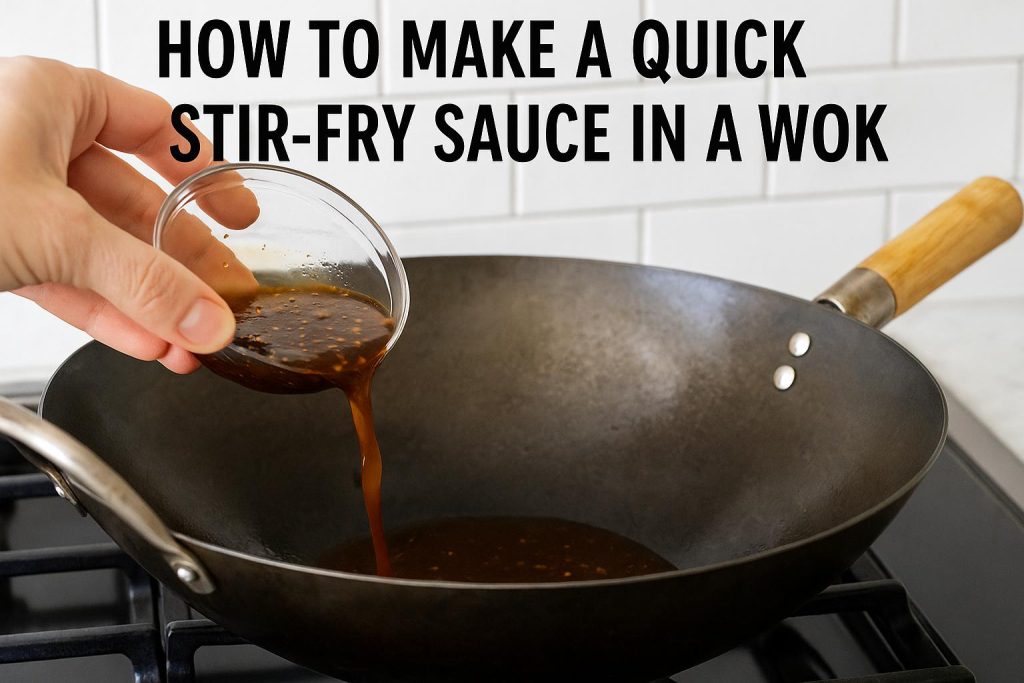
2. Once the wok is hot, pour the prepared sauce into it. Stir the sauce constantly with a wooden spoon or a spatula to prevent sticking. The stirring also aids even thickening, which helps achieve the perfect consistency in about 3-5 minutes.
3. Upon reaching the desired thickness, reduce the heat slightly and introduce your chosen stir-fry ingredients, such as freshly cut vegetables, tender pieces of meat, or cubed tofu. Toss these components in the wok, allowing them to be well-coated by the sauce. This action seals the flavors into the ingredients and uniformly distributes the sauce.
Conclusion
Creating a quick stir-fry sauce in a wok can enhance the flavor and appeal of your dishes without requiring much time or intricate cooking skills. By following these steps and adjusting the ingredients as necessary, you can develop a personalized sauce that matches your culinary preferences. The beauty of stir-fry sauce is its adaptability; whether you favor a sweeter sauce or a more tangy one, adjustments are simple and can lead to delightful results. Understanding the characteristics of each ingredient and their interactions can spur culinary creativity, allowing you to tailor each recipe to your liking.
For further exploration of cooking techniques and tips on how to incorporate additional ingredients like spices or alternative sweeteners into your stir-fry sauce, visit Eat Right. This added knowledge empowers you to experiment and further refine your culinary skills, leading to consistently satisfying and flavorful meals.
The Significance of Woks in Korean Cooking
The wok, a versatile piece of cookware, is an important tool in many Asian cuisines, including Korean. While it is more commonly associated with Chinese cooking, the wok has also found a significant place in Korean culinary practices. Understanding the role of the wok in Korean cuisine involves exploring its historical integration, culinary applications, and adaptation to traditional Korean dishes.
Historical Influence and Adaptation
The use of the wok in Korean kitchens can be traced back to regional exchanges and the spread of culinary techniques across Asia. Historical trade and cultural interactions allowed for the diffusion of cooking tools such as the wok into Korean food culture. Over time, Koreans adapted the wok to suit their own cooking styles and ingredients, merging it with their traditional culinary heritage.
Dating back several centuries, the adaptation of the wok was guided by a pragmatic approach. As travel and trade enhanced communication between neighboring cultures, Koreans began observing various cooking techniques, including the use of the wok in Chinese culinary arts. The adaptability of the wok quickly became apparent. Unlike heavier cooking pots, the wok enabled rapid heating and cooling, which fascinated early Korean cooks. The realization that a single tool could be used for multiple cooking techniques—from boiling to steaming to frying—was transformative in economies where resourcefulness was key.
Culinary Applications
In Korean cuisine, the wok is valued for its versatility and efficiency. It is commonly employed for stir-frying, a method that cooks food quickly at high temperatures, preserving nutrients and flavors. This technique is akin to Korean methods of sautéing vegetables and meats, thus making the wok an ideal instrument.
With regard to steaming and frying, the wok’s structure allows it to fulfill these functions adeptly. The broad and concave shape of the wok permits uniform distribution of heat, an essential factor when indulging in the art of stir-frying. Stir-frying in a wok not only preserves aesthetic appeal by rendering vibrant colors in vegetables but also maintains nutritional integrity by cooking quickly at high heat. Meanwhile, the edges serve as cooler zones, allowing chefs to move ingredients away from direct heat, managing cooking times without losing moisture.
Steaming and frying are other applications where the wok proves useful. Traditional Korean dumplings, known as mandu, can be both fried and steamed in the wok. Its unique shape allows cooks to accommodate larger portions, essential for family-style meals which are common in Korean culture.
Adaptation to Korean Dishes
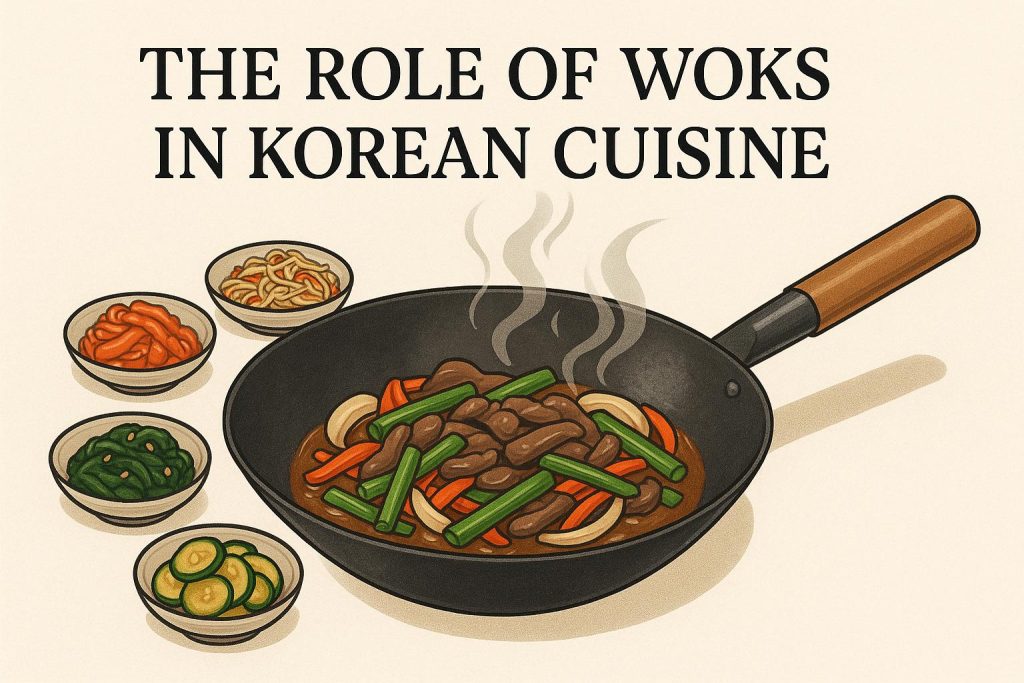
Though not originally Korean, the wok has been adapted to various traditional dishes. For example, japchae—a popular Korean noodle dish comprised of stir-fried glass noodles, vegetables, and meat—can be efficiently prepared in a wok. The sloped sides of the wok allow for easy stirring and mixing of the ingredients, ensuring even cooking.
This technique significantly benefits from the shape and heat retention capacity of the wok. The constant movement of ingredients within the wok helps in preserving the delicate structure of the glass noodles while ensuring that each component is evenly cooked and adequately seasoned. The transition from high to low flames is seamless, providing multifaceted control over the cooking environment, an invaluable asset in crafting Korean dishes with precision.
Additionally, bulgogi, a marinated beef dish, can also benefit from the wok’s ability to cook meats at high heat, which helps in caramelizing the marinade onto the meat. By utilizing a wok, cooks can produce a flavorful and texturally satisfying dish.
The outer layer of thinly sliced meat gets that signature char, capturing the savory sweet blend intrinsic to bulgogi’s allure. The juices concentrate into a syrupy glaze that adheres to the meat, carried by the wok’s extraordinary heat conduction properties. Moreover, the wok’s depth and heat retention are apt for quick searing that locks in flavors without letting the meat lose its essential juices.
Conclusion
In summary, while the wok may not be native to Korean kitchens, its integration has undoubtedly enriched Korean culinary practices. Its ability to quickly and effectively cook various ingredients aligns well with the cooking methods found in Korean cuisine.
The continued rise in global appreciation for Korean cuisine has concurrently increased recognition of the wok’s valuable role in this dynamic culinary tradition. As chefs and home cooks alike engage with Korean dishes, the wok stands not just as a tool, but as a bridge—melding ancient techniques with contemporary nuances. It symbolizes the evolution of culinary arts where borders blur, unified by the shared language of taste and technique.
This infusion of a non-native tool showcases the flexibility of Korean culinary arts, where the adoption and integration of diverse cooking instruments and methods are embraced. The culinary symbiosis between Korean cooking traditions and tools like the wok highlights a practical approach to evolving food practices that respect heritage while nurturing innovation. Whether through the bustling street markets of Seoul or the intimate settings of Korean homes, the wok remains a testament to cultural exchange and culinary excellence in Korea and beyond.
Introduction to Egg Foo Young
Egg Foo Young is a classic Chinese-American dish that captivates with its simplicity and adaptability. This savory creation, primarily composed of eggs, can be customized using various vegetables, meats, and seafood to cater to individual tastes. Preparing Egg Foo Young in a wok not only honors its origins but also provides benefits due to the wok’s unique characteristics. In this article, we will explore the process of making Egg Foo Young, from ingredients to cooking methods, and delve into the intricacies that make this dish a staple in many kitchens.
Understanding the Ingredients
The essence of Egg Foo Young lies in the combination of simple, yet wholesome, ingredients. The following are the key components needed to prepare this dish:
– 6 large eggs: The foundation of the dish providing a rich texture and flavor.
– 1 cup of mixed vegetables: Bean sprouts, peas, and carrots add color, crunch, and nutrition.
– 1/2 cup of cooked meat or seafood: Options like chicken, pork, shrimp, or a combination offer variety and additional taste.
– 2 tablespoons of soy sauce: Adds saltiness and umami, enhancing the overall taste.
– 1 tablespoon of oyster sauce: Provides a hint of sweetness and depth.
– 2 tablespoons of vegetable oil or sesame oil: Essential for cooking and preventing sticking.
– 1/4 cup of chopped green onions: Adds freshness and a mild onion flavor.
– Salt and pepper: To taste, accentuating the natural flavors of the ingredients.
Steps in the Preparation Process
Step 1: Ingredient Readiness
Before cooking, it is important to have all ingredients prepared and ready. Begin by finely chopping the chosen vegetables and pre-cooked meats or seafood. In a large bowl, beat the eggs thoroughly until the yolks and whites merge seamlessly. Integrate the soy sauce, oyster sauce, chopped green onions, and a dash of salt and pepper into the eggs, ensuring a balanced mix. Finally, fold in the vegetables and meat or seafood gently to maintain a uniform distribution throughout the mixture.
The Wok: Cooking Egg Foo Young
Step 2: Prepping the Wok
The wok, with its distinctive design, ensures efficient heat distribution, making it ideal for cooking Egg Foo Young. Set the wok on medium-high heat and introduce the chosen oil, be it vegetable or sesame. Wait for the oil to warm until it shimmers, indicating readiness for cooking, but take care to prevent smoking, which could alter the flavor.
Step 3: Cooking the Egg Mixture
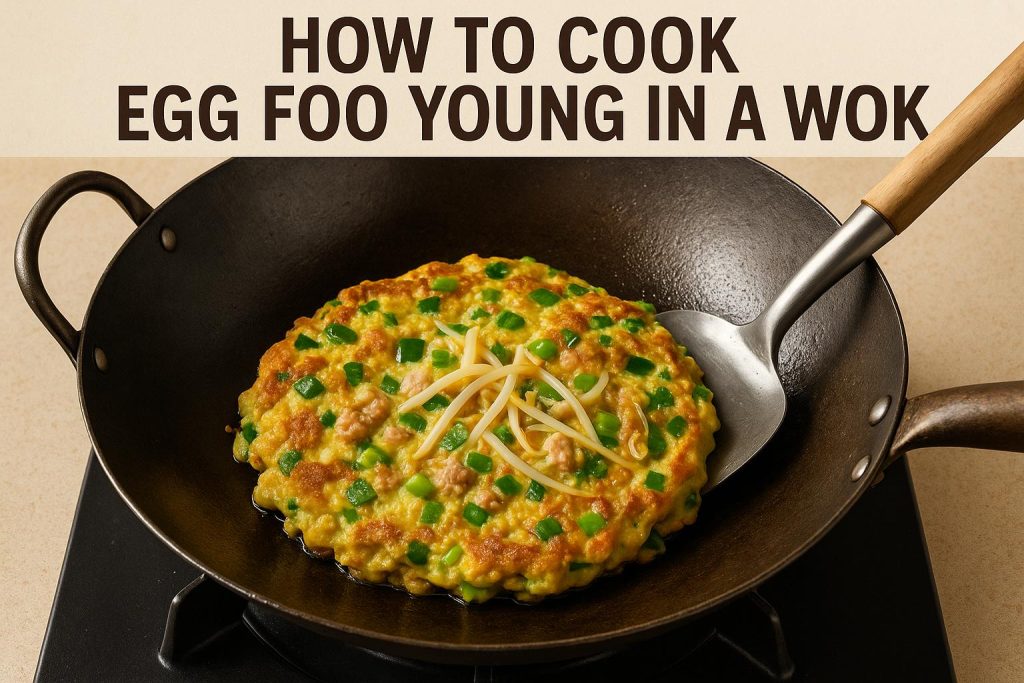
Once the wok is adequately heated, pour a portion of the prepared egg mixture into it, spreading the mixture out to achieve a thick, pancake-like form. Based on your wok’s dimensions, it may be necessary to cook the Egg Foo Young in successive batches. Allow the egg creation to cook without disturbance for about 2-3 minutes, watching for the edges to begin browning as a sign of readiness for the next step.
Step 4: Completing the Cooking Process
Carefully utilize a spatula to flip the Egg Foo Young, allowing the other side to cook. Continue cooking for an additional 2 minutes or until the eggs are fully set and the edges exhibit a crisp texture. Transfer the finished portion to a plate and repeat the process with any remaining egg mixture until complete.
Serving and Presentation
Egg Foo Young can seamlessly transition between roles as a main dish and a side offering. Serving it traditionally involves pairing with a flavorful sauce, commonly crafted from cornstarch, soy sauce, and chicken broth. Drizzling this sauce over the dish not only enhances flavor but also provides a glossy finish that is visually appealing. Whether served with rice, noodles, or simply as is, Egg Foo Young is sure to delight those who taste it.
Adapting Egg Foo Young to Individual Tastes
Versatility is one of the hallmarks of Egg Foo Young. Depending on dietary preferences and available ingredients, the dish can be adapted in a multitude of ways. For instance, vegetarians can omit the meat or seafood and incorporate a broader assortment of vegetables such as mushrooms or bell peppers. Those seeking a different flavor profile might experiment with additional seasonings like ginger or garlic, while individuals with dietary restrictions can substitute soy sauce with lower sodium or alternative versions as needed.
Conclusion
The process of preparing Egg Foo Young in a wok is straightforward yet rewarding, yielding a meal or side that is both delicious and satisfying. Its adaptability makes it a versatile option for various tastes and dietary needs. By skillfully combining ingredients and utilizing the unique properties of the wok, home cooks can effortlessly recreate this classic dish. Should you seek further culinary inspiration and diverse recipes, a wealth of resources are available online to expand your cooking repertoire and expertise.
Understanding Tempura and Choosing the Right Ingredients
Tempura is a classic Japanese culinary delight, known for its light and crisp texture. This popular dish involves coating seafood or vegetables with a delicate batter and frying them to perfection. The appeal of tempura lies not only in its flavor but also in its simplicity. When making tempura at home, particularly in a wok, it is crucial to have a fundamental understanding of its components and the selection of suitable ingredients. Typically, the tempura batter is made from basic ingredients such as flour, eggs, and cold water. The choice of ingredients can include various seafood such as shrimp or squid, as well as an assortment of vegetables like sweet potatoes, zucchini, or bell peppers.
Making the Tempura Batter
Creating an ideal tempura batter is an art that requires precision and care. Here’s a guide to preparing the batter:
To begin with, gather the essential ingredients, namely flour, egg, and cold water. For an added layer of crispiness, cornstarch may also be incorporated. Initiate the process by lightly beating an egg in a bowl until it is fully uniform in texture. Following this, add approximately one cup of ice-cold water to the beaten egg, gently mixing to maintain the airy consistency. As a next step, gradually incorporate around one cup of flour into the mixture. Stir this combination delicately until just blended, keeping in mind that it is entirely normal for the batter to retain slight lumps. The use of ice-cold water is paramount because it aids in preserving the batter’s lightness and inhibits gluten formation, which could otherwise render the tempura heavy or chewy.
Preparing the Ingredients
Prior to cooking, it is essential to ensure that the chosen seafood and vegetables are meticulously prepared to enhance the cooking process and final outcome. Depending on the specific ingredients chosen, certain preparation steps must be followed:
For seafood like shrimp, ensure they are peeled and deveined while keeping the tails intact. This not only aids in uniform cooking but also enhances presentation. With vegetables, focus on slicing them into thin, even slices to promote even cooking. Thick pieces may result in unevenly cooked tempura, which is less desirable. Whichever ingredients you select, pat them dry meticulously. This step is crucial because moisture can prevent the batter from adhering properly, compromising the texture of the finished product.
Frying in the Wok
Frying is a pivotal part of creating tempura, and using a wok can significantly enhance this process due to its unique shape, which aids in the effective circulation of oil. Here’s a detailed approach on how to utilize a wok efficiently for frying tempura:
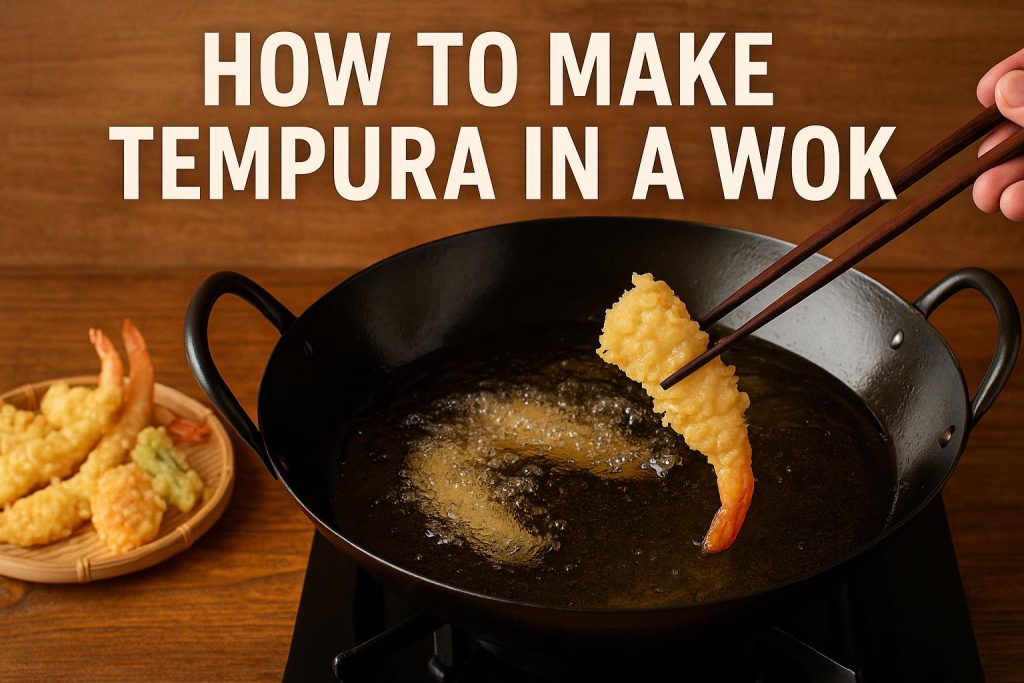
Firstly, heat the oil. Fill the wok with sufficient vegetable or canola oil to fully submerge the tempura pieces during frying. The oil temperature should reach approximately 350°F (175°C), and for accuracy, consider using a kitchen thermometer. Once the oil is prepared, coat the ingredients by dipping your selected seafood or vegetables into the batter. Allow any excess batter to drip back into the bowl to maintain a uniform coating.
When frying, work in small batches to avoid overcrowding, which can lead to a reduction in oil temperature and result in soggy tempura. Fry the tempura pieces gently, submerging them into the hot oil. Cook each piece until it achieves a golden hue and is cooked through. The frying duration typically ranges between 2-4 minutes, dictated by the size and density of the ingredient.
Once fried, it is crucial to drain the tempura properly. Use a slotted spoon to remove the tempura from the oil and then place it onto paper towels. This step is vital to drain any excess oil, which can affect the crispiness of the tempura when served.
Serving Suggestions
Tempura is highly versatile when it comes to serving. It can be paired with an array of dipping sauces to enhance its flavor. One traditional option is tentsuyu, a savory mix of dashi, soy sauce, and mirin, which complements the flavor of tempura exquisitely. Alternatively, a straightforward dipping sauce made with soy sauce and freshly grated ginger provides a delightful contrast to the crispy tempura. For the best eating experience, ensure the tempura is served hot, as this is when its texture is at its optimal crispness.
In summary, preparing tempura involves a meticulous approach to both the ingredients and the method of cooking. From crafting the right batter to choosing appropriate ingredients and mastering the frying process, each step plays a critical role in achieving the perfect tempura. Whether you choose to focus on seafood or opt for vegetable tempura, understanding these principles is key to recreating this beloved Japanese dish at home. Enjoy the culinary adventure, and savor every bite of your delicious homemade tempura!