The Importance of Wok Cooking for Shrimp
Cooking shrimp with precision is vital for capturing their delicate flavors and achieving the perfect texture. The wok, a versatile cooking vessel originating from Asian cuisine, plays a pivotal role in achieving these culinary goals. Its unique design and ability to distribute heat quickly and evenly make it an ideal choice for shrimp preparation.
Understanding Wok Hei
A distinct benefit of using a wok is achieving wok hei, which translates to “breath of the wok.” This term refers to the unique flavor extracted through the high-heat cooking process specific to wok use. When shrimp are cooked in a wok with this technique, they absorb a smoky, charred aroma that significantly elevates their taste profile and adds a depth of flavor often sought after in Asian cuisine.
Preparation of the Wok
Properly seasoning your wok is crucial before cooking any dish. A well-seasoned wok develops a natural non-stick coating, which is particularly beneficial when cooking shrimp. The seasoning process involves treating the wok with heat and oil, forming a protective layer that enhances the cooking surface. Should you need guidance on this process, a plethora of online resources provide comprehensive instructions for seasoning a wok effectively.
The physical preparation also includes ensuring the wok is clean and positioned correctly on the heat source to allow for steady and consistent temperatures, which is key to achieving the desired outcomes when cooking shrimp.
Essential Techniques for Cooking Shrimp in a Wok
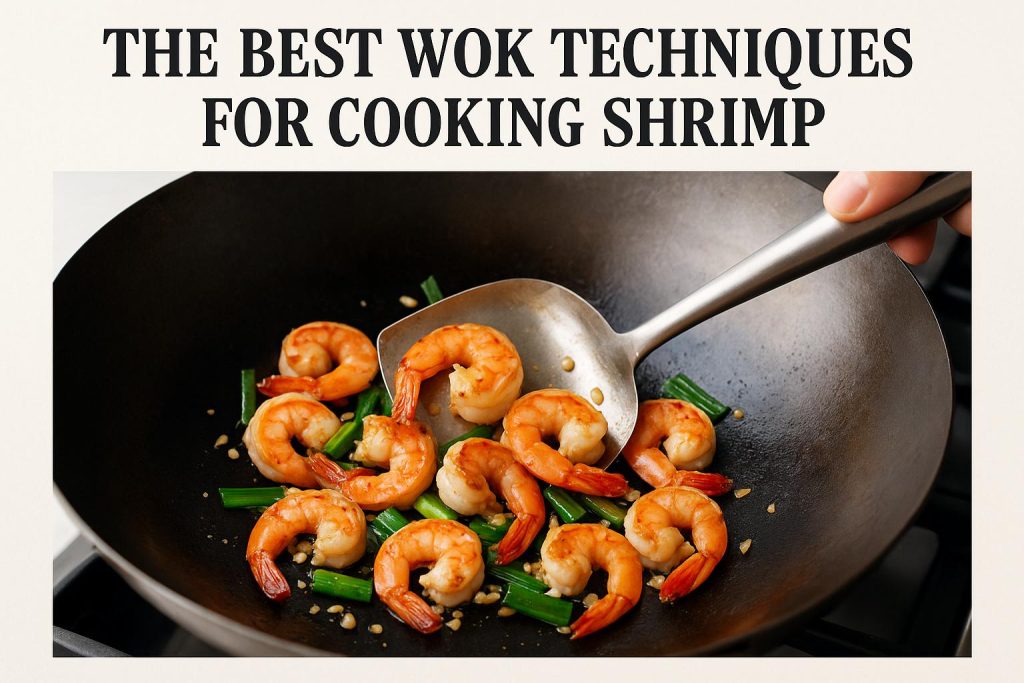
Stir-Frying: One of the most cherished methods for cooking shrimp in a wok is stir-frying. This technique involves rapidly cooking the shrimp over high heat, continually moving them within the wok. This ensures that they cook evenly on all sides, retaining their succulence. Preparing all components before beginning is crucial, as the swift nature of stir-frying demands full attention and readiness.
The stir-fry technique maximizes the surface area of both the shrimp and the wok, utilizing the wok’s high, sloped sides to manage ingredients effectively during cooking. The short burst of intense heat helps in maintaining the integrity of shrimp texture, preventing them from becoming rubbery or overcooked.
Shallow Frying: Alternatively, if one desires a different texture, shallow frying provides shrimp with a crunchy exterior. This method involves using a modest amount of oil within the wok, heating it to the correct temperature, and frying the shrimp until they are crisp. It is important not to overcrowd the wok during shallow frying, as too many shrimp can impede the oil’s ability to maintain its temperature, leading to uneven cooking. Controlling the heat throughout this process ensures the shrimp are evenly fried to a delightful crispness while maintaining their juicy interior.
Conclusion
Incorporating proper wok techniques when cooking shrimp can transform simple ingredients into elevated, restaurant-quality dishes. Whether one opts for the art of stir-frying or leverages the textural contrast provided by shallow frying, the skillful management of heat is imperative. Understanding the delicate balance between time and temperature when using a wok facilitates the production of exquisite dishes with robust flavors and perfect textures. Aspiring cooks and seasoned chefs alike may consult various culinary resources for a deeper exploration of wok cooking methods, which offer expanded guides and recipes dedicated to refining one’s technique and maximizing the culinary experience.
Understanding the Wok’s Characteristics
To effectively prevent food from sticking in a wok, a comprehensive understanding of the wok’s unique characteristics is necessary. The wok is a versatile cooking tool traditionally used in Asian cuisine, but it has gained popularity worldwide due to its ability to evenly distribute heat and facilitate quick cooking methods such as stir-frying. Woks are generally constructed from materials such as carbon steel, cast iron, or, in some instances, stainless steel. Each of these materials has distinct properties that influence how food interacts with the wok’s surface and, consequently, the cooking experience.
Carbon Steel Woks
Carbon steel woks are favored by many cooking enthusiasts and professional chefs due to their excellent heat conductivity, lightweight nature, and cost-effectiveness. One of the defining features of carbon steel woks is that they develop a natural non-stick patina over time, through a process known as seasoning. This patina is essential in preventing food from sticking, enhancing the wok’s performance, and imparting a unique flavor to the dishes prepared in it. Seasoning involves repeatedly applying a thin layer of oil and heating the wok, which creates a layer of polymerized oil that acts as a non-stick coating and protects the metal from rust.
Cast Iron Woks
Cast iron woks, while not as commonly used as carbon steel woks, also have distinct benefits. They offer superior heat retention and are ideal for recipes requiring steady and consistent heat. Like carbon steel, cast iron woks also require seasoning to attain non-stick properties. The seasoning process is very similar to that used for carbon steel, with the added benefit that cast iron’s dense structure retains the seasoning quite well. Therefore, once well seasoned, a cast iron wok can provide a durable non-stick functionality that can withstand high-temperature cooking methods like frying and searing. However, these woks tend to be heavier, making them slightly more challenging to handle for quick stir-frying.
Stainless Steel Woks
Stainless steel woks offer ease of maintenance and durability, as they do not require seasoning like their carbon steel and cast iron counterparts. However, they are not inherently non-stick and typically do not develop the same kind of patina. As a result, achieving non-stick results with a stainless steel wok relies more on proper cooking techniques and the use of appropriate oils. While the absence of a seasoning layer makes them slightly less effective for non-stick cooking, stainless steel woks are resistant to rust and corrosion, making them a low-maintenance option that can handle acidic foods well.
Proper Seasoning Technique
Seasoning a wok is a pivotal step in establishing and maintaining a non-stick surface. This technique enhances the wok’s usability and durability and ensures that food does not adhere to its surface during cooking, resulting in better flavors and textures. The proper steps for seasoning a carbon steel or cast iron wok are as follows:
– Clean the Wok: Begin by cleaning the wok thoroughly to remove any factory coating or residues that could impede the seasoning process.
– Heat the Wok: Place the wok on medium-high heat until it starts to emit light smoke. This process will further cleanse the surface of any remaining impurities.
– Apply Oil: Using a paper towel or a clean cloth, coat the inside of the wok with a thin layer of high-smoke-point oil, such as vegetable or canola oil. It’s crucial to cover the entire surface, including the edges.
– Remove Excess Oil: Wipe away any excess oil with another paper towel, leaving only a thin oil film covering the surface.
– Reheat: Continue heating the wok over medium-high heat until it begins to smoke again. This step polymerizes the oil, forming the initial layer of the seasoning. Repeat the oil application and reheating process two to three times to build a durable and effective non-stick patina.
Pre-Heating the Wok
Before introducing any food to the wok, preheating it is critical. An adequately preheated wok ensures that the food sears upon contact rather than sticks. The preheating process typically involves placing the wok over high heat for several minutes until it reaches the desired temperature for cooking. Test the heat by flicking a small amount of water onto the wok’s surface; if it evaporates almost immediately, the wok is ready for cooking. This practice not only enhances the cooking process but also maximizes the wok’s non-stick capabilities.
Choosing the Right Oil
Selecting the appropriate oil is essential in achieving desirable cooking results when using a wok. Oils have varying smoke points, which determine how well they perform at high temperatures. For wok cooking, it is advisable to opt for oils with high smoke points such as vegetable oil, canola oil, or peanut oil. These oils can withstand the intense heat required for stir-frying without burning or imparting an unpleasant taste to the food. Using the right oil contributes significantly to the wok’s non-stick effectiveness and the overall success of the dish.
Cooking Techniques to Prevent Sticking
Adhering to proper cooking techniques is key to preventing food from sticking in a wok and ensuring a seamless culinary experience.
Dry Ingredients
Prior to cooking, ensure that all ingredients are adequately pat-dry. Moisture is the enemy of stir-frying as it can cause the food to stick by promoting steaming rather than frying. Patting the ingredients dry with paper towels minimizes the moisture content and enhances the frying process, allowing the food to sear promptly on contact with the hot wok.
Stir-Frying Properly
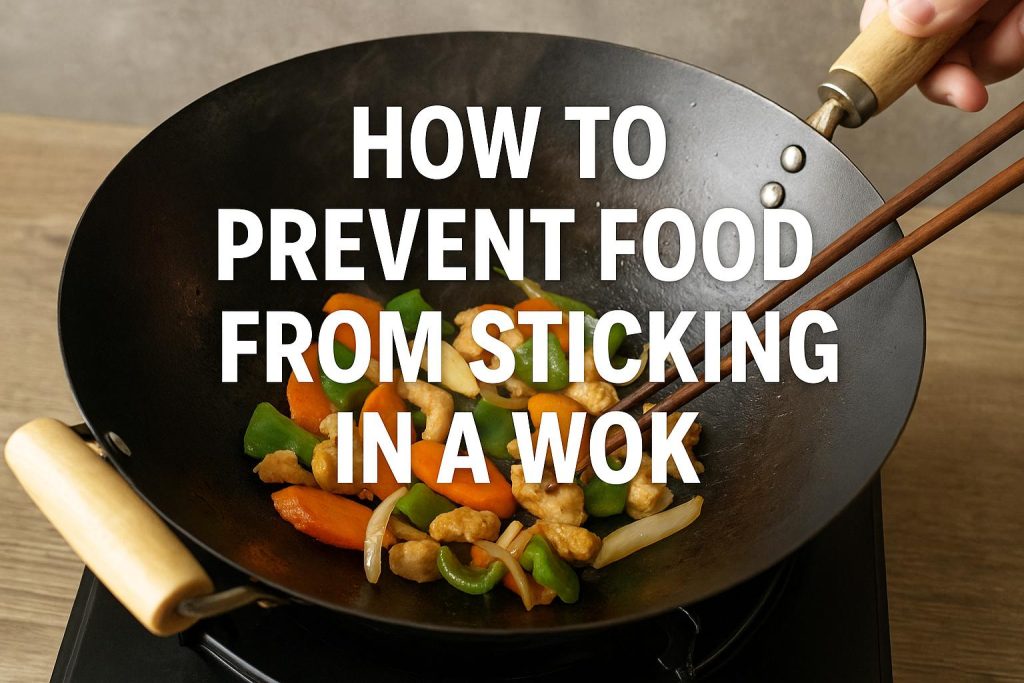
Once the ingredients are added to the wok, it is vital to keep them in constant motion. Continuously stirring the food ensures even cooking and prevents it from lingering in one spot long enough to stick. This technique also guarantees that all components of the dish are cooked uniformly, preserving their texture and flavor.
Cook in Batches
Avoid overcrowding the wok during the cooking process. A crowded wok reduces the heat level rapidly, causing the ingredients to steam rather than fry. This not only leads to sticking but can also result in unevenly cooked ingredients lacking in the characteristic wok-fried taste and texture. Cooking in smaller batches enables better control over the cooking temperature and ensures optimal results.
Maintenance and Care
Routine maintenance and proper care are crucial in preserving a wok’s non-stick properties and extending its longevity.
Cleaning
After each use, clean the wok using hot water and a sponge or brush to remove any food residues. It is important to avoid using soap or abrasive materials as these can strip away the seasoning layer that has been painstakingly built over time. For more persistent stuck-on food particles, a gentle scrub using a mixture of salt and hot water can be effective without harming the seasoning.
Regular Re-seasoning
Despite following careful cleaning practices, the seasoning on a wok might gradually diminish due to continual use. Periodic re-seasoning of the wok is advisable to maintain its non-stick surface. This not only enhances the wok’s performance but also contributes to its long-term preservation, ensuring it delivers consistent cooking results for years to come.
By understanding and properly implementing these techniques and preventative measures, you can effectively minimize, if not completely prevent, food from sticking in a wok. This understanding enhances your stir-frying experience and results in flavorful and perfectly cooked dishes.
The Origins of Wok Cooking
The wok, a versatile cooking vessel, has been an integral part of Asian cuisine for centuries, with a particular prominence in Chinese culinary traditions. Originating in China during the Han Dynasty (202 BC – 220 AD), the wok was initially crafted from iron, a material chosen for its ability to heat quickly and evenly. Over time, the use of woks gradually spread to other parts of Asia, including countries such as Thailand, Vietnam, and Malaysia, where they gained cultural significance. This spread underscores the wok’s foundational role in Asian culinary practices and highlights its broad adaptability across various cooking styles and cultural settings.
Design and Functionality
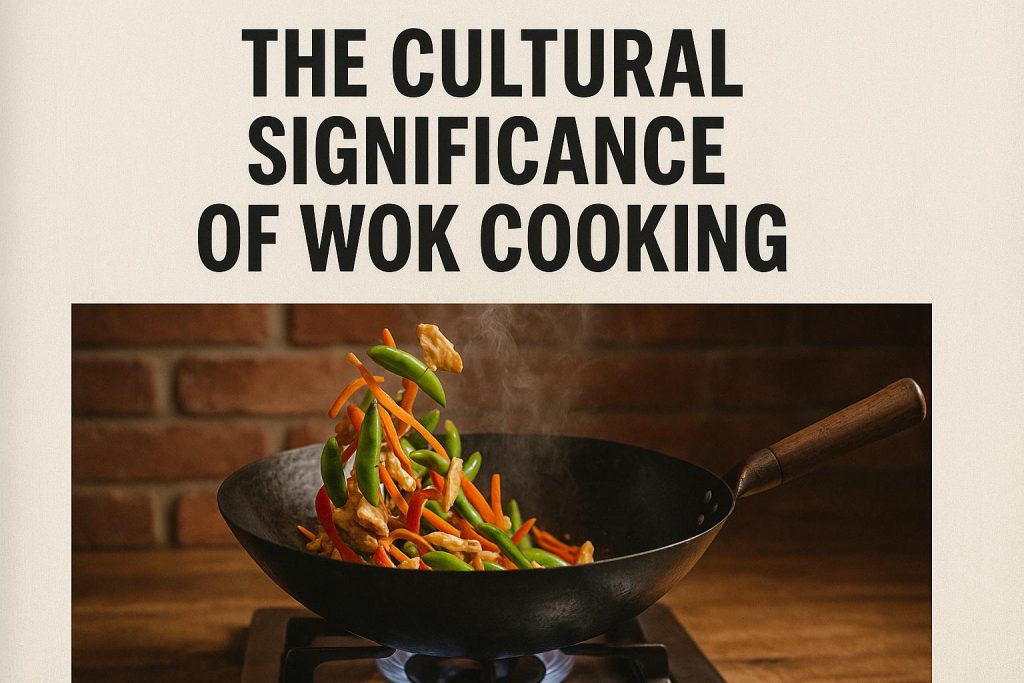
A typical wok is characterized by its round-bottomed design and often features a long handle, although some designs come with two loop handles. The rounded bottom is particularly significant because it allows for even distribution of heat across the cooking surface. This feature makes the wok ideal for various cooking methods such as stir-frying, steaming, and deep-frying. The shape of the wok not only aids in even cooking but also facilitates the “tossing” technique, ensuring that food is cooked evenly and rapidly at high temperatures. This design enables a cook to maintain high heat throughout the cooking process, a critical aspect in stir-frying.
Materials and Evolution
Traditionally, woks were made from cast iron, a material chosen for its durability and heat retention properties. However, with the advent of modern technology, other materials such as carbon steel and stainless steel have gained popularity. These materials offer increased durability, lighter weight, and non-stick properties that make them especially appealing in contemporary kitchens. In addition to changes in materials, the design of woks has also evolved—some contemporary models feature a flat bottom to accommodate Western-style stovetops. This evolution marks the wok’s transition into a crossover kitchen tool in many Western households, illustrating its adaptability and enduring utility.
Cultural Importance in Culinary Practices
In many Asian cultures, the wok is more than just a cooking tool—it embodies a culinary philosophy deeply rooted in cultural beliefs. Specifically, the wok is seen as a representation of balance and harmony, principles that are central to Chinese cultural values. Cooking with a wok involves achieving the perfect blend of flavor, texture, and aroma, a process that reflects these philosophical ideals. This holistic approach to cooking ensures that each dish is not only nourishing but also a sensory delight, aligning with the broader cultural emphasis on harmony and balance.
Beyond the Kitchen: Wok as a Social and Cultural Symbol
Beyond its practical use, the wok holds significant cultural meaning. It is often perceived as a symbol of family and community. Meals prepared in a wok are typically shared among family members and friends, fostering a sense of togetherness and unity. This practice highlights the wok’s role in promoting social bonds and communal harmony. Furthermore, the act of cooking with a wok itself is often a communal activity, with everyone gathering to participate and contribute to the collective culinary experience. Whether it’s a festival, a family gathering, or just a casual meal, the wok serves as a focal point around which people connect and engage.
Role in Cultural Celebrations
The wok is especially prominent in various cultural festivals and celebrations. For instance, during the Chinese New Year, woks are used to prepare an array of dishes believed to bring luck and prosperity. The selection of dishes often reflects traditional beliefs and customs, with each dish carrying symbolic meanings. In other Asian countries, woks are employed during festivals to prepare traditional dishes that carry historical and cultural significance, reinforcing the connection between culinary practices and cultural heritage. In these contexts, the wok serves not just as a cooking tool but as a vessel of cultural expression and preservation.
Wok Cooking in Contemporary Society
The influence of wok cooking has spread far beyond its Asian origins, gaining popularity on a global scale. Many Western chefs and food enthusiasts have embraced the wok for its versatility and efficiency. The incorporation of wok cooking techniques into Western kitchens marks a significant shift, signifying the broader globalization of culinary practices. This trend highlights the fusion of different cooking styles and the adoption of diverse culinary traditions across cultural boundaries, enriching the global culinary landscape.
Integration into Global Cuisine
The wok has played a pivotal role in enabling the fusion of diverse culinary traditions, leading to innovative dishes and new cooking techniques. It serves as a bridge between Eastern and Western cooking styles, fostering cross-cultural culinary exchanges. The adaptability of the wok is apparent in its ability to integrate into various culinary contexts, showcasing its enduring relevance in contemporary cooking environments. This cross-pollination of culinary techniques enriches both traditional and modern culinary practices, contributing to the ever-evolving nature of global cuisine.
Environmental Considerations
In today’s world, where sustainability is becoming a priority, the wok’s energy-efficient design is particularly noteworthy. Because it can reach high temperatures quickly, the wok requires less energy, promoting more eco-friendly cooking practices. This aspect aligns well with the increasing global emphasis on environmental responsibility. The wok’s ability to deliver high-quality cooking outcomes with minimal energy consumption resonates with contemporary efforts to adopt more sustainable living practices, reinforcing its relevance in modern society.
Conclusion
The cultural significance of wok cooking extends beyond its historical roots, demonstrating its continued relevance and adaptability in modern culinary practices. As a culinary tool, the wok transcends cultural boundaries, serving as a testament to its enduring appeal and importance in kitchens worldwide. Its role as a vessel of cultural and culinary fusion highlights the dynamic interplay between tradition and innovation. For further exploration of the cultural impact of the wok, additional resources can be accessed through [this link](https://www.example.com).
Introduction to Szechuan-Style Cooking
Szechuan cuisine, originating from China’s Sichuan province, is renowned for its bold flavors and the distinctive use of spices, particularly the fragrant and mouth-numbing sensation created by Szechuan peppercorns. The cuisine is not just about spiciness but also about a unique blend of flavors that interplay to create mouthwatering dishes. A wok is a vital kitchen tool for preparing Szechuan-style dishes, as its design facilitates quick, high-temperature cooking, which is essential to attain the unique flavors and textures that are hallmarks of this cuisine.
Essential Ingredients and Equipment
Cooking traditional Szechuan dishes requires both specific ingredients and culinary equipment. A well-prepared Szechuan meal is a testament to the harmony of these components coming together.
The Importance of the Wok
The wok is essential in Szechuan cooking. Its large surface area allows for even heat distribution, which is critical when cooking at the high temperatures required for stir-frying. This unique cooking vessel helps lock in flavors and achieve the characteristic sear that many Szechuan dishes boast.
Szechuan Peppercorns
Despite their name, Szechuan peppercorns are not related to black pepper. They are actually the dried fruit of the prickly ash tree and are paramount for obtaining the authentic flavor associated with many popular dishes in this cuisine. Lightly toasting Szechuan peppercorns releases their aroma and prepares them for grinding or direct incorporation into recipes, contributing to the dishes’ signature tingling and numbing sensation.
Chili Peppers and Chili Bean Paste
Dried chili peppers and a fermented broad bean paste known as doubanjiang are often integral to Szechuan cooking. Doubanjiang adds depth and a spicy heat to dishes, essential for the multi-layered flavors typical in this cuisine. It is recommended to source authentic chili bean paste from Asian markets to ensure the most robust flavor.
Additional Ingredients
A variety of additional ingredients form the foundation of Szechuan cooking. These include soy sauce, rice vinegar, sesame oil, and Shaoxing wine. Fresh garlic and ginger are indispensable, as they offer maximum flavor intensity when used in cooking.
Basic Techniques for Cooking in a Wok
To create Szechuan-style dishes effectively, mastering the techniques of wok cooking is necessary. Cooking in a wok involves high heat, which chars the food quickly, sealing in flavors and contributing significantly to the complexity of the dishes.
Stir-Frying
Stir-frying is the core technique employed when cooking with a wok. The high heat demands continuous motion to prevent the food from burning. For optimal results, it is vital to cut the ingredients into uniform sizes to ensure even cooking. Begin by preheating the empty wok until it smokes slightly, then add oil, waiting until it shimmers before adding ingredients. Stir-frying not only cooks the food swiftly but preserves the crisp texture and bright colors of the vegetables.
Proper Heat Control
Managing heat effectively is crucial in wok cooking. Using high heat facilitates quick cooking, while controlling the heat allows you to adjust the cooking process to suit the ingredients being used. It is key to keep the wok stable and ensure that ingredients do not become soggy, maintaining their distinct texture.
Creating a Szechuan Stir-Fry
Crafting a classic Szechuan stir-fry involves several steps, each crucial for achieving the desired flavor and texture.
Step 1: Preparing Ingredients
Preparation is paramount. Begin by chopping vegetables and proteins into bite-sized pieces. Measure spices and prepare sauces ahead of time. This mise en place approach ensures a smooth cooking process, allowing attention to remain on heat control and flavor development.
Step 2: Seasoning the Wok
Seasoning the wok before cooking is essential to prevent food from sticking and to enhance the dish’s flavor profile. A well-seasoned wok improves with age, developing a natural non-stick surface.
Step 3: Cooking Process
Start by heating the wok and adding the requisite amount of oil. Introduce aromatics such as garlic and ginger, allowing their flavors to infuse the oil. Next, add proteins, searing them over high heat. Add vegetables, ensuring continuous stirring to amalgamate ingredients. Lastly, incorporate sauces, allowing them to coat the components without burning.
Popular Szechuan Dishes to Try
Szechuan cuisine offers a variety of renowned dishes, ideal for practicing and refining wok techniques and developing an appreciation for the complex flavors typical of this style of cooking.
Kung Pao Chicken
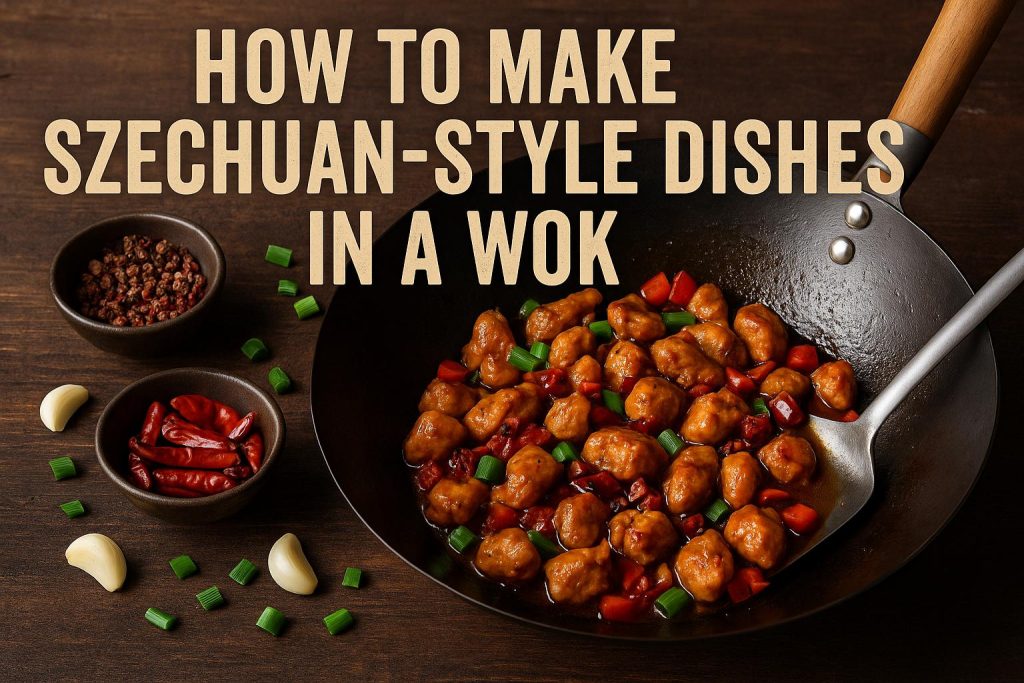
Kung Pao Chicken is a well-loved dish, characterized by diced chicken, peanuts, and vegetables, all tossed in a spicy and tangy sauce. This dish exemplifies flavor layering, demonstrating how different ingredients and spices can harmonize to create a delightful culinary experience.
Mapo Tofu
Mapo Tofu is a traditional Szechuan dish that combines tofu, minced pork, and a spicy chili bean sauce. It exemplifies the balance between heat and the numbing sensations that are characteristic of Szechuan cuisine, illustrating the interplay of flavors and textures.
Conclusion
Cooking dishes Szechuan-style in a wok is an art that requires a harmonious balance of flavors, textures, and techniques. By gaining a comprehensive understanding of essential ingredients and mastering the art of wok cooking, you can create authentic Szechuan dishes imbued with vivid and mouth-numbing flavors. For those eager to delve deeper into these techniques or explore an array of recipes, numerous Asian cooking resources are readily accessible online. This exploration into the world of Szechuan cooking not only enhances culinary skills but also enriches cultural appreciation for one of China’s most distinct and flavorful cuisine styles.
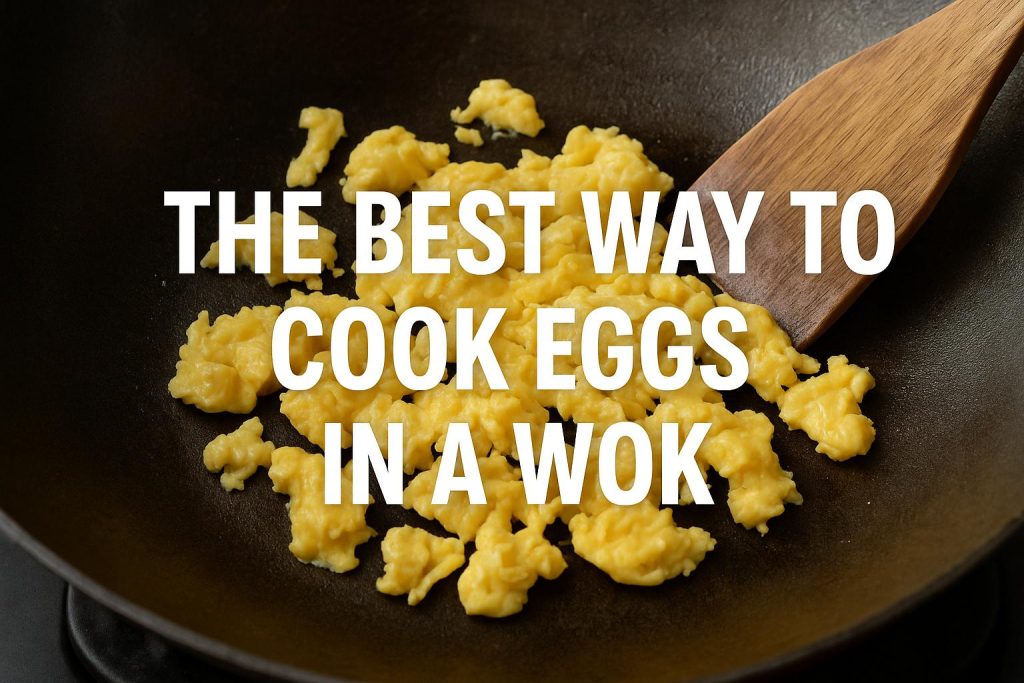
Exploring the Art of Cooking Eggs in a Wok
Cooking eggs is a fundamental kitchen skill that can be adapted and refined in many different ways. While traditional methods often involve using frying pans or skillets, utilizing a wok to prepare eggs can offer a fresh twist that enhances both texture and flavor. Known for its unique heat distribution and versatile design, the wok offers a reliable alternative for cooking eggs. This expanded article delves deeper into the methods, benefits, and techniques associated with cooking eggs using a wok, providing readers with a comprehensive guide to mastering this culinary art.
The Role of the Wok in Culinary Practices
Originating from China, the wok is more than just a piece of cookware; it is an essential part of many Asian culinary practices. Often associated with stir-frying, the wok’s applications extend far beyond, encompassing a variety of cooking techniques, including deep-frying, steaming, and even roasting. When it comes to cooking eggs, the wok’s distinctive properties facilitate a whole new experience. Understanding the historical significance and versatility of the wok can deepen appreciation for its use in contemporary kitchens around the world.
Design and Construction of the Wok
The wok’s design is fundamental to its effectiveness. Typically made from materials such as carbon steel or cast iron, woks are known for their durability and additional benefits they impart to the food cooked within them. Carbon steel woks, for instance, season over time, developing a natural non-stick surface that can further enhance the flavor of egg-based dishes. The circular shape, with its sloping sides, allows for easy movement and thorough mixing of ingredients, an asset when preparing eggs.
Benefits of Choosing a Wok for Cooking Eggs
The decision to use a wok for cooking eggs is grounded in several advantages:
High Heat Tolerance: The ability to withstand and distribute high heat efficiently is what makes the wok a superior choice. This characteristic is particularly useful for quick egg preparations where a swift, intense burst of heat can perfect the cooking process.
Even Heat Distribution: Unlike traditional pans, the wok spreads heat consistently across its entire surface. The avoidance of hotspots ensures that eggs are cooked evenly, preventing the risk of burning some parts while leaving others undercooked.
Adaptability: The wide surface area of the wok caters to the preparation of various egg styles, from scrambled to sunny-side-up, providing ample room for experiment and creativity without the constraints of overcrowding.
Essential Preparations for Cooking with a Wok
To make the most of cooking eggs in a wok, it is necessary to prepare the equipment appropriately. Proper preparation optimizes performance and preserves the wok for future use.
Cleaning and Maintenance
Maintaining the cleanliness of the wok is a critical first step. A clean and dry wok provides a non-stick environment ideal for cooking eggs. Regular seasoning of a carbon steel wok also contributes to its non-stick capabilities, enhancing the taste and consistency of the eggs.
Preheat the Wok
Preheating plays a pivotal role in ensuring even cooking. A properly heated wok provides an ideal condition for cooking eggs, resulting in faster and more efficient outcomes by reducing the variance in cooking time across the dish.
Appropriate Oil Selection
Using the correct type of oil is vital for successful egg preparation. Oils with high smoke points, such as sunflower, canola, or peanut oil, are recommended. They withstand the high temperatures used in wok cooking without burning, which complements the natural flavors of the eggs.
Mastering Cooking Techniques
The art of cooking eggs in a wok hinges on mastering several techniques, which can be adapted depending on personal taste and desired outcomes.
Unlocking the Secret to Perfect Scrambled Eggs
Crafting scrambled eggs to perfection involves a combination of technique and patience. First, gather all necessary ingredients: fresh eggs, salt, pepper, and milk. Mixing these components in a bowl to create a seamless blend lays the foundation for the dish.
Gentle Stirring: Once the egg mixture is poured into the preheated wok, gentle and patient stirring with a spatula from the edges towards the center helps form delicate curds. Proper timing ensures the eggs remain creamy and do not dry out—an essential factor in achieving a fluffy texture.
Excellence in Fried Eggs Preparation
Cooking fried eggs in a wok presents an extraordinary experience distinguished by texture:
Direct Cracking: Fresh eggs are cracked directly into the heated wok, allowing the whites to spread and cook evenly. The result is a set of whites with golden edges—a hallmark of perfect sunny-side-up eggs.
Cooking Preferences: Covering the wok briefly helps ensure the yolks cook to the preferred consistency. Chefs can personalize the preparation by flipping the eggs to create different textures, ranging from sunny-side-up to over-hard.
Advanced Tips and Techniques
For those eager to explore further, several advanced tips can elevate their egg-cooking journey with the wok:
Experiment with Flavors: Introducing additional ingredients such as herbs, spices, or vegetables into the egg mixture can add new dimensions of flavor and complexity.
Creative Presentations: Leveraging the wok’s potential for creative presentation involves arranging eggs in aesthetic patterns or combining them with complementary sides. This not only enhances the visual appeal of the dish but also encourages experimentation and innovation in presentation.
Continuous Learning: Engaging in further culinary education can open doors to mastering the art of using woks in diverse ways, complementing egg dishes or broadening their culinary repertoire to include other meals.
Conclusion: Expanding Possibilities
Using a wok to cook eggs is not just about the practical benefits; it is an exploration of culinary creativity and technique. As a versatile and highly effective tool, the wok simplifies the preparation process while enhancing the flavor and texture of eggs. Whether you are scrambling or frying, this reliable utensil can bring out the best in your cooking. To continue enhancing cooking skills, patrons of culinary arts might pursue courses or resources focused on wok-based cooking strategies, ultimately expanding their capabilities and kitchen repertoire.