Understanding the Wok
The wok stands as an essential tool in the culinary world, especially in Asian cuisine. It offers the ability to cook food with remarkable speed and evenness thanks to its unique design that supports high-temperature cooking. To fully utilize the wok’s capabilities, one must first grasp its structure and the different varieties available in the market. For any cooking enthusiast aiming to enhance their skills, understanding the wok is a fundamental step in mastering various cooking methods, including stir-frying, deep-frying, and steaming.
Types of Woks
Woks are available in a spectrum of types, primarily distinguished by their material composition and the shape of their bottoms. These attributes significantly influence their cooking performance and compatibility with different stove types.
Carbon Steel Woks are perhaps the most celebrated among professional chefs due to their exceptional heat distribution properties. This material allows the wok to quickly respond to changes in temperature, which is crucial for techniques like stir-frying that require rapid cooking at high heat.
Cast Iron Woks, while heavier, have the advantage of retaining heat for longer periods. This quality makes them particularly suitable for dishes that necessitate prolonged cooking times without fluctuating temperatures. They offer consistent heat, ensuring even cooking throughout the entire process.
Non-stick Woks, on the other hand, cater to the needs of those who prefer ease of cleaning and convenience. While they don’t withstand the high temperatures that traditional woks do, and thus might not be suitable for all traditional wok-cooking techniques, they are ideal for beginners. They facilitate a simpler cooking process with less risk of food sticking to the surface.
With regard to their bottom shapes, Flat-Bottomed Woks are engineered to provide stability on electric stoves. Their flat base allows them to sit securely on such cooking surfaces, ensuring efficient heat transfer from the stove to the wok.
Conversely, Round-Bottomed Woks are optimized for use on gas stoves. The curvature facilitates even heat distribution, which is a hallmark of wok cooking. This design, however, requires the use of a wok ring when used on some stove types to prevent tipping.
Essential Wok Accessories
To maximize the potential of a wok, the right set of accessories plays a crucial role. These accessories not only enhance functionality but also expand the range of techniques that can be employed in wok cooking.
A Wok Spatula is crafted with a curved edge to meet the naturally sloping interior of a wok. This design makes the act of stirring and tossing ingredients straightforward, ensuring efficiency and ease while keeping the food moving continuously.
The inclusion of a Lid proves beneficial for several cooking methods, such as steaming, and helps in controlling oil splatter during high-temperature cooking. It adds versatility to the wok’s use beyond simple frying or stir-frying.
A Steaming Rack adds another dimension by allowing the user to steam while simultaneously stir-frying other components. This tool makes it possible to prepare complex, multi-ingredient dishes that require staggering cooking processes.
Lastly, the Bamboo Brush is an effective tool for the maintenance of woks, especially those constructed from carbon steel or cast iron. Proper wok cleaning is integral to maintaining its non-stick properties and ensuring its longevity.
Wok Cooking Hacks for Beginners
Seasoning the Wok
The initial step in utilizing a wok, particularly one made from carbon steel or cast iron, involves a process called seasoning. Seasoning a wok creates a natural, non-stick layer over its surface, which in turn enriches the flavors of the dishes cooked in it. The process involves heating the wok, adding a thin coat of oil, permitting it to smoke slightly, and then wiping it clean. Repeating this process several times fortifies the protective seasoning layer.
Prepping Ingredients
In wok cooking, the emphasis is on quick cooking at very high temperatures, which necessitates thorough preparation of all ingredients prior to turning on the heat. Ingredients must be washed, dried, chopped into uniform pieces, and ready to go before cooking begins. Ensuring vegetables are dry helps prevent oil splatters, while uniformity in cutting pieces guarantees consistent cooking.
Managing Heat and Oil
Proficiency with managing heat is synonymous with mastery in wok cooking. Begin by preheating the wok until it just begins to smoke, which is a sign it’s reached an optimal temperature. Introduce oil following preheating as it prevents food from sticking and aids in achieving a signature smoky flavor peculiar to Asian dishes, all while minimizing calorie intake compared to traditional frying methods.
Stir-Frying Techniques
Stir-frying is quintessential to wok cooking and involves the continuous motion of ingredients within the wok. This action ensures they cook evenly and retain their texture. Employ a wok spatula to methodically toss the ingredients from the bottom of the wok upwards, facilitating even exposure to the heat. The recommended sequence is to start with proteins like meat or tofu, then move to vegetables, and conclude with sauces and spices.
Cleaning and Maintenance
Post-cooking maintenance is vital for prolonging the wok’s lifespan. Clean the wok while it remains warm using warm water and a bamboo brush. It’s important to avoid soap, especially on seasoned surfaces, as it might strip away the protective patina. Once cleaned, dry the wok completely to avert rust formation, and lightly oil it before storage for optimal upkeep.
Additional Resources
To delve deeper into the intricacies of wok cooking, numerous resources are available for expanding your knowledge and technique repertoire. For those interested in advanced techniques and recipes, websites such as Serious Eats and Bon Appétit offer comprehensive guides and insights that can take your wok-cooking skills to the next level.
Understanding the Essence of Szechuan Cuisine
Szechuan cuisine, or Sichuan cuisine, is celebrated for its bold, spicy flavors and use of ingredients like chili peppers, garlic, and Szechuan peppercorns. The distinct use of these flavors gives the cuisine its characteristic *numbing* and spicy taste. This culinary style involves various cooking techniques such as stir-frying, steaming, and braising, which are all used to balance flavor, color, and aroma in dishes.
The Role of Szechuan Peppercorns
Szechuan peppercorns are not actually a type of pepper but rather the dried husks of the prickly ash shrub. Their flavor is citrusy with a tongue-tingling sharpness. This unique property contributes significantly to the spicy profile of the cuisine, distinguishing it from other spicy counterparts by introducing a subtle *numbing* sensation in the mouth. When toasted or roasted, these peppercorns release their oils, intensifying their flavor.
Aromatic Ingredients: A Culinary Signature
The foundation of many Szechuan dishes, including the Spicy Szechuan Noodles, relies heavily on aromatic ingredients such as garlic, ginger, and chilies. These components are integral for building deep layers of flavor, providing warmth and a fragrant background that complements the sharpness of the spices.
Benefits of Cooking with a Wok
Using a wok is essential in Asian cuisine for its versatility and efficiency in cooking. Its design allows for an even distribution of heat, which is crucial for stir-frying—the cooking method employed for Spicy Szechuan Noodles. The wok’s high heat capabilities help to impart a unique *smoky* flavor, often referred to as *wok hei*, which enhances the overall taste of the dish. Furthermore, the spacious nature of a wok allows for easy tossing of ingredients, ensuring consistent cooking and coating of ingredients with sauce.
Delving into the Ingredients
Noodles
Selecting the right type of noodle is essential in crafting an ideal texture base for the dish. Rice noodles offer a chewy texture, while wheat noodles provide a more robust mouthfeel. Either choice can accommodate the rich profile of the sauce and spices used.
Sauces and Seasonings
The combination of soy sauce, dark soy sauce, vinegar, and sugar forms a complex balance of salty, sweet, and sour flavors. Soy sauces add depth and color, while vinegar provides a crisp acidity to cut through the spice. The subtle sweetness from the sugar rounds these out, contributing to a harmonious blend of tastes.
Vegetables
The choice of vegetables can be adjusted according to personal preference. Selection often includes bell peppers, carrots, and broccoli, as their textures and flavors work well in absorbing the saucy elements while maintaining their crunch to contrast the softness of the noodles.
The Cooking Process
Culinary Techniques
– **Toasting the Szechuan Peppercorns:** This step involves roast-toasting the peppercorns. The process activates the oils within, transforming dry husks into potent flavor enhancers for the dish.
– **Stir-Frying Aromatics:** This technique quickly cooks the minced garlic, ginger, and green chilies, releasing their essential oils and intensifying their aromas, forming the fragrant base for the stir-fry.
– **Vegetable and Noodles Integration:** Incorporating the vegetables and cooked noodles under high heat in the wok allows them to cook evenly, ensuring every bite is infused with the sauce and spice mix.
Enhancing the Dish
To customize the Spicy Szechuan Noodles further and cater to individual taste profiles, the following variations can be executed:
Adjusting Spice Levels
The amount of green chilies and Szechuan peppercorns can be modified to create a milder or more intense heat profile. For those who enjoy fiery dishes, additional chili oil or red chili flakes can be incorporated.
Protein Inclusions
Adding protein can transform this dish into a more substantial meal. Typical choices include tofu, chicken slices, or shrimp, which should be stir-fried prior to the vegetables until they are just cooked through. This addition can offer complementary textures and flavors, making the dish well-rounded.
Garnishing Options
Serving the noodles with fresh garnishes enhances their appeal and introduces fresh flavors. Chopped spring onions are faced as an excellent garnish for providing a crisp, fresh bite. Additionally, sesame seeds can be sprinkled for additional texture.
Culinary Pairings
Spicy Szechuan Noodles can be enjoyed as a standalone dish or alongside a variety of other traditional Chinese dishes to create an abundant meal experience. Suitable pairings include light and refreshing options like cucumber salad, or heartier commitments like steamed dumplings, which juxtapose the spiciness and offer a complimentary taste.
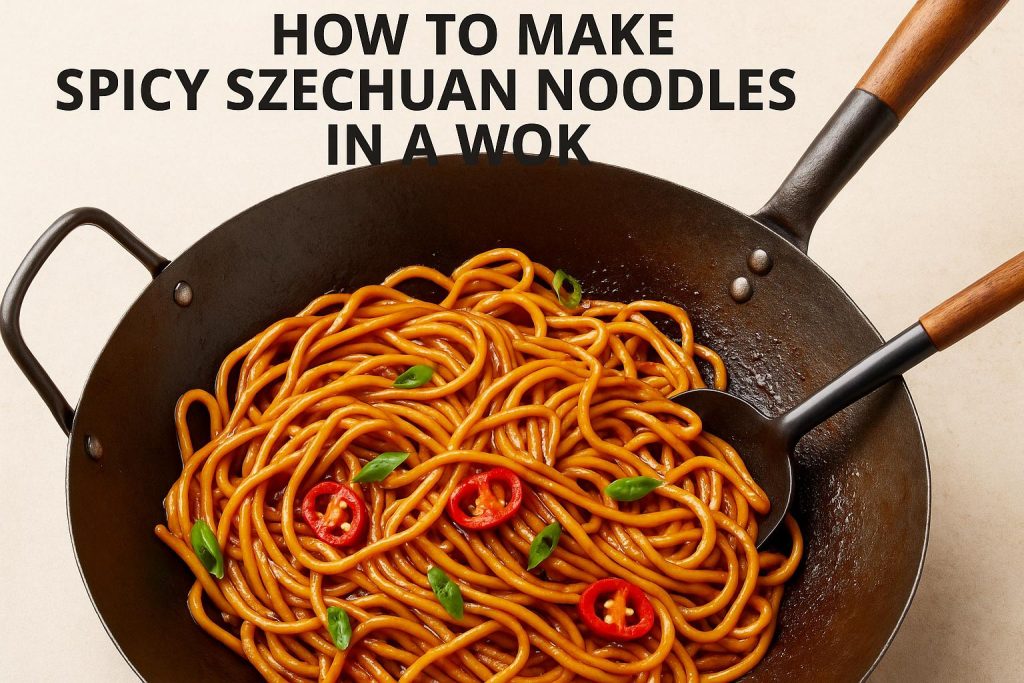
In conclusion, the art of making Spicy Szechuan Noodles lies in understanding the balance of flavors, the strategic use of aromatics, and the role of a wok in achieving an authentic texture and flavor. By mastering essential cooking techniques and the artful selection of complementary ingredients, one can recreate this beloved dish in the comfort of their kitchen, experiencing the vibrant palette of Szechuan cuisine.
The Integral Role of Wok Cooking in Vietnamese Cuisine
Vietnamese cuisine is synonymous with vibrant flavors, fresh ingredients, and cooking methods that promote health and nutrition. Central to this culinary tradition is the wok, a versatile and indispensable piece of cookware. This essential tool is used not just for its functional benefits but also as a symbol of the culinary artistry that permeates Vietnamese food culture.
Characteristics of the Wok
A wok, usually constructed from materials such as carbon steel, cast iron, or aluminum, is easily identifiable by its round-bottomed shape. This design is particularly conducive to even heat distribution, a feature that enhances the efficiency of cooking. The sloping sides of the wok are instrumental in facilitating the quick stirring of ingredients, an action that is vital in achieving the unique flavor profile of Vietnamese dishes. The wok’s adaptability extends it beyond single-purpose use, making it a versatile tool for various cooking techniques, including stir-frying, deep-frying, steaming, and boiling.
Stir-Frying: A Signature Technique
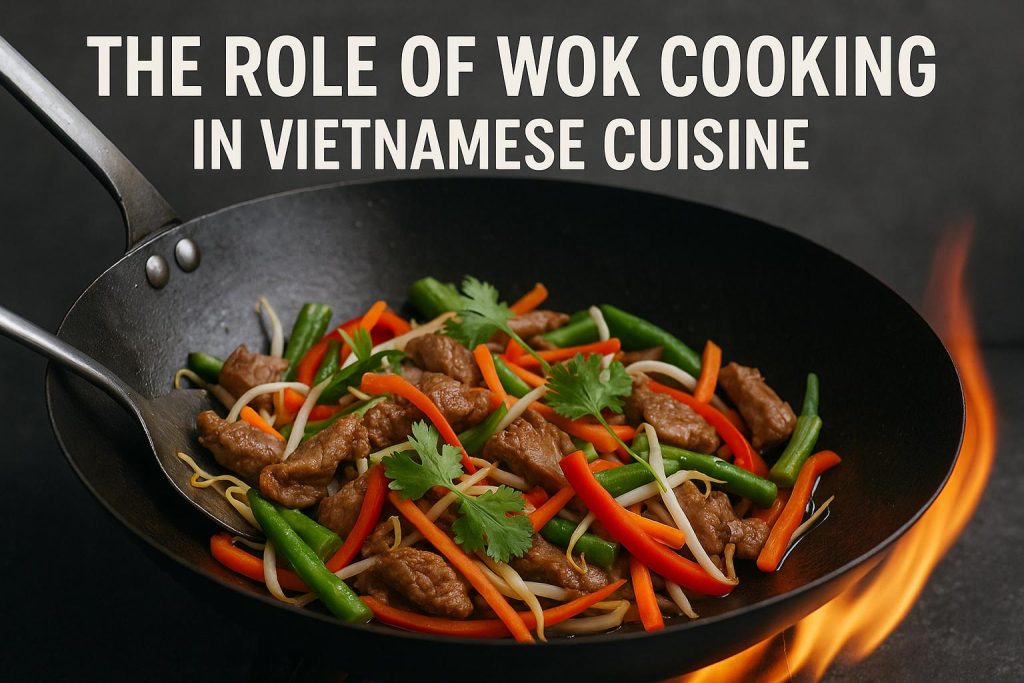
Among the many uses of the wok in Vietnamese culinary practices, stir-frying stands out as a signature technique. This cooking method involves heating ingredients at high temperatures while stirring them rapidly, a process that not only enhances flavor but also preserves nutritional value. Stir-frying is central to iconic dishes like phở xào (stir-fried noodles) and chả cá (turmeric fish with dill), where maintaining texture and flavor is crucial.
The Importance of Heat Control
The art of wok cooking is deeply intertwined with heat control. Mastery over high temperatures permits rapid cooking, essential for retaining the crispness of vegetables and ensuring proteins remain tender. Vietnamese chefs excel in managing heat and timing meticulously to ensure each component of a dish achieves perfection. This delicate balance is key to keeping the natural flavors and vibrant colors intact, defining attributes of Vietnamese cuisine.
Deep-Frying and Steaming in the Wok
Beyond stir-frying, the wok serves a critical role in deep-frying and steaming within Vietnamese kitchens. Its broad surface area and depth make it an ideal vessel for frying popular items like nem rán (fried spring rolls) and chả giò (crispy egg rolls). For steaming, a bamboo steamer basket can be strategically placed above simmering water in the wok, making it possible to prepare dishes like bánh bao (steamed buns) with delicate precision.
Adaptation of Wok Cooking
Vietnamese cuisine, while rooted in traditional practices, demonstrates a remarkable capacity for adaptation, especially regarding the use of the wok to meet contemporary taste preferences and health considerations. Modern stir-frying often involves reduced oil use, reflecting the global dietary trend toward healthier eating. This ability to adjust while preserving essential culinary elements is a testament to the wok’s enduring significance in Vietnamese cooking.
Conclusion
In understanding Vietnamese cuisine, the significance of the wok transcends its role as a mere cooking tool. It symbolizes the efficiency and artistry inherent in the culinary tradition of Vietnam. Through its use in stir-frying, deep-frying, and steaming, the wok epitomizes versatility and importance in this rich culinary landscape. Gaining insight into the role of the wok offers a window into the cultural dimensions of Vietnamese food that prioritize flavor, freshness, and nutrition. For culinary enthusiasts eager to dive deeper into Vietnamese dishes, a wealth of resources and cooking experiences await, offering a hands-on exploration into the world of wok cooking in Vietnam.