The Versatility of Cooking with a Wok
Cooking with a wok is not only an ancient practice but also a modern marvel, especially for individuals seeking weight loss without sacrificing meal variety. This multi-purpose culinary tool has stood the test of time due to its unique design and functionality. With high sides and a round bottom, the wok is designed to cook food quickly and efficiently, ensuring the preservation of nutrients—making it a staple in kitchens around the world.
High-Heat Cooking for Lower Calorie Meals
A significant advantage of cooking with a wok is its ability to maintain high temperatures for quick meal preparation. This high-heat method reduces the need for excessive oil, a common pitfall in traditional frying that often leads to higher calorie content. Stir-frying in particular, a technique frequently associated with wok cooking, requires continuous movement of ingredients. This ensures even cooking and minimizes oil absorption, a combination that aids in reducing overall calorie intake. Maintaining a lower calorie consumption is essential for successful weight loss and can be achieved effectively through this cooking style.
Retaining Nutrients with Minimal Oil
The design of the wok not only facilitates the cooking process but also enhances the nutritional quality of meals. Its curved shape permits minimal oil usage while providing adequate surface area for frying or sautéing. The quick cooking time associated with woks means that vital nutrients are less likely to be lost, preserving the health benefits of fresh vegetables and lean proteins. For those who are on a weight loss journey, this retention of vitamins and minerals is a critical factor in maintaining a nutritious yet calorie-conscious diet.
Streamlined Meal Preparation
One of the primary benefits of a wok is the efficiency it offers in meal preparation. The even distribution of heat enables the rapid cooking of multiple meal elements—proteins, vegetables, and grains—simultaneously in one pan. This process not only cuts down on cooking time but also supports the routine of preparing home-cooked meals. Preparing meals at home is commonly more conducive to weight loss than frequent dining out, where meals can be higher in calories and less controlled in portion size.
Incorporating Diverse Ingredients for Balanced Meals
The expansive surface of the wok offers ample space to integrate diverse ingredients seamlessly into one dish, fostering balanced meals crucial for weight management. By combining a variety of vegetables, proteins, and whole grains in a single cooking session, one can easily meet dietary recommendations that support weight loss efforts. This versatility not only promotes nutritional balance but also introduces variety into daily meals, reducing the monotony that can sometimes accompany dietary changes.
Encouraging Portion Control
Cooking at home with a wok has an additional benefit that significantly aids weight loss: portion control. When you prepare meals yourself, you have direct influence over the quantity of food you cook. This control enables more accurate regulation of food intake, aligning meal portions with specific caloric needs. Effectively managing portion sizes is a key component in sustaining a healthy weight, and the wok is a tool that facilitates this by accommodating appropriate serving amounts.
Advancing Culinary Skills
Regularly using a wok in cooking practice not only enhances meal quality but also develops one’s culinary skills. It encourages experimentation with a wide array of recipes and ingredients. With the rising popularity of globally inspired cuisines like Chinese and Thai, the wok can be the perfect instrument to create healthier versions of these traditional dishes. This kind of experimentation favors the incorporation of fresh, wholesome ingredients that support healthier eating habits, thus contributing to weight management objectives.
Further Information
Those interested in further exploring the culinary potential of wok cooking have a wealth of resources at their disposal. Culinary websites and cooking classes offer extensive information on wok usage and a plethora of recipes to try. By engaging with these platforms, individuals can gain deeper insights into adopting healthier eating habits and effective weight loss strategies. These resources can empower anyone looking to embrace the health benefits of wok cooking by providing guidance on technique and inspiration for meal planning.
Cooking with a wok emerges as not only a pathway to delicious, varied meals but also as an effective method for those focused on losing weight. Its adaptability, combined with its ability to produce nutrient-rich, balanced meals with minimal oil, positions the wok as an invaluable asset for health-conscious cooks worldwide.
Introduction
A vegetable stir-fry stands as a versatile and health-conscious meal choice, ideal for those seeking a quick yet nutritious culinary option. Its adaptability makes it suitable for a range of dietary needs and personal tastes, while its swift preparation is perfect for busy lifestyles. In this guide, we delve into the essential components and techniques necessary to create an appetizing and nourishing vegetable stir-fry.
Choosing Your Vegetables
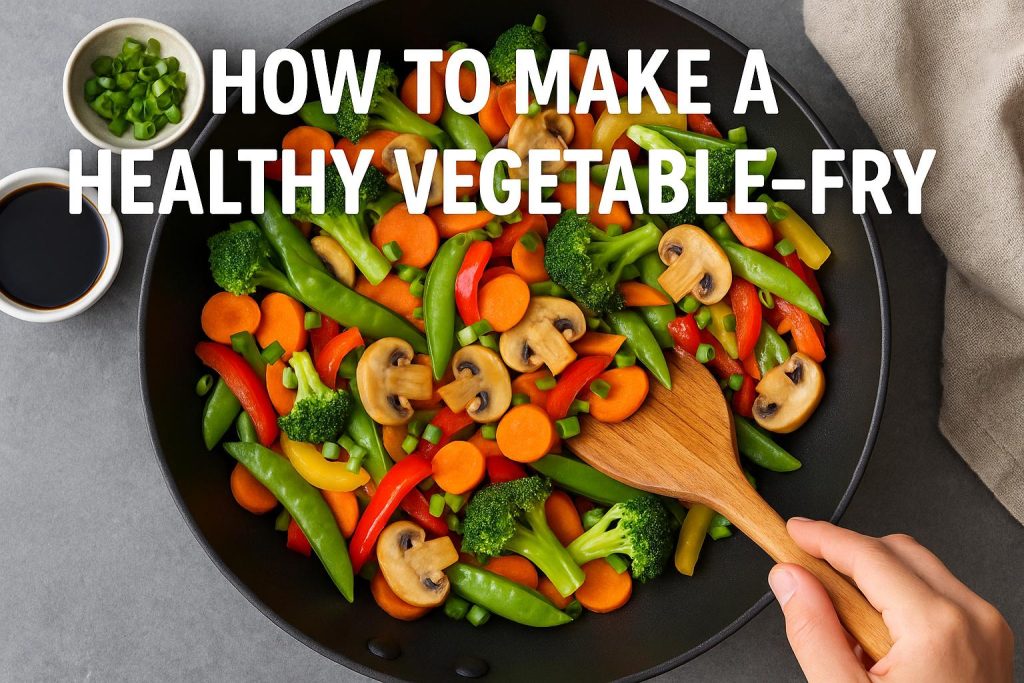
The foundation of any great stir-fry begins with the selection of vegetables. A mix of colors and textures not only enhances the dish visually but also boosts its nutritional value. Vegetables such as bell peppers, with their crisp texture and sweet taste, and broccoli, rich in vitamins C and K, make excellent choices. Snap peas add a crunchy contrast, while carrots contribute both sweetness and a vibrant hue. Earthy mushrooms provide a savory depth, creating a harmonious blend of flavors and nutrients essential for a healthy diet. Ensure that all vegetables are chopped into uniform sizes, a crucial step for even cooking and texture consistency.
Incorporating Protein
While the vegetables form the core of the stir-fry, introducing a protein component elevates the dish’s nutritional profile. Plant-based proteins like tofu or tempeh offer excellent sources of nutrient-rich protein, containing essential amino acids necessary for body functions. These options are suitable for vegetarians and vegans, offering high protein content without animal products. For those who include meat in their diet, options such as chicken or shrimp are popular. Cooking the protein first is important as it allows flavors to develop fully, ensuring that the protein is both pleasing in taste and texture when it intermingles with the vegetables later in the cooking process.
Preparing the Stir-Fry Sauce
The sauce plays a pivotal role in enhancing the stir-fry’s flavor profile. A traditional stir-fry sauce may combine soy sauce, known for its umami richness, with aromatic elements like garlic and ginger. The addition of a splash of sesame oil can introduce a nutty undertone, complementing the vegetable base. To suit individual palate preferences, consider personalizing your sauce with ingredients that adjust the flavor balance. For those who enjoy a spicier edge, incorporating chili flakes gives a fiery kick. A touch of honey can lend a sweet contrast, balancing more savory notes, while hoisin sauce can deepen the flavors with its sweet and slightly salty profile.
Cooking Technique
Mastering the correct cooking method is key to achieving a perfect stir-fry. Begin by heating a wok or large skillet over medium-high heat to ensure a suitable cooking temperature. Utilize oils that can withstand high heat, such as canola or avocado oil, to avoid the risk of the oil burning. Commence the process by adding the pre-selected protein to the heated oil, cooking it until it is nearly complete, then remove it from the pan to rest. This ensures that the protein retains its juiciness without overcooking. Following the protein, introduce vegetables to the pan, strategically adding them according to their cooking time. Firmer vegetables, such as carrots, which require longer cooking, should enter the pan first, followed by softer vegetables, like mushrooms, which cook quickly. Reintroduce the protein, pour in the sauce, and stir constantly. This technique ensures even distribution of heat and sauce, which is critical for both flavor and texture.
Serving and Pairing
The stir-fry is at its prime when served immediately after cooking, as this timing retains the freshness and crunchiness of the vegetables. Pair the stir-fry with whole grains, such as brown rice or quinoa. These grains add complementary fiber, maintaining the dish’s overall health benefits. For additional flavor enhancement and aesthetic appeal, garnish the dish with fresh herbs, such as cilantro or basil, and a light sprinkle of sesame seeds. These toppings introduce a fragrance and a subtle additional flavor layer, enhancing both the meal’s taste and visual presentation.
Additional Resources
For those eager to explore stir-fry variations or deepen their culinary skills, consider leveraging digital platforms dedicated to home cooking. Websites such as Cooking Light and Eating Well offer a bounty of recipes and tips tailored to diverse dietary preferences. These resources often feature detailed guides on ingredient alternatives, allowing for customization to meet specific nutritional goals or taste preferences, providing inspiration for both novice and experienced cooks alike.
Conclusion
Creating a vibrant and nutritious vegetable stir-fry is not only simple but also allows for extensive personalization, making it a gratifying addition to any dietary regimen. By understanding how to select ingredients and execute basic stir-fry techniques, one can craft a meal that boasts both nutritional density and satisfying flavor. Embrace the flexibility of this dish, and enjoy the process of tailoring it to your individual taste, ensuring a delightful experience with each preparation.
Introduction
Spring rolls have carved a niche for themselves as a favored appetizer across numerous cuisines worldwide, thanks to their crispy shell and flavorful core. Originating in Asian culinary traditions, these delectable rolls can be tailored to suit diverse tastes, making them not only versatile but also universally appealing. The use of a wok to fry spring rolls, as this article will elaborate, ensures a uniformly cooked roll with the perfect crispy texture. Delving into this topic, we will explore step-by-step methods to prepare these delightful spring rolls using a wok, emphasizing the importance of preparation, cooking techniques, and useful tips for achieving that perfect bite.
Ingredients
The creation of exquisite spring rolls hinges significantly on the choice and quality of ingredients. Here, we delineate the necessary components to assemble both the filling and the wrappers, along with the requisite frying essentials.
Filling:
A critical component of any spring roll is the filling, which provides flavor and substance. Here are the ingredients for a traditional filling:
– **Ground Pork or Chicken:** For those who prefer a traditional meaty filling, ground pork or chicken works well. Adjustments can be made based on personal dietary preferences.
– **Vegetarian Option:** If a vegetarian version is preferred, tofu is an excellent protein substitute.
– **Vegetables:** The vegetables include shredded cabbage and grated carrots, providing texture and freshness to the filling, while green onions add a touch of sharpness.
– **Flavor Enhancers:** Minced garlic infuses a wonderful aroma, and soy sauce adds depth. Always season to taste with salt and pepper to achieve a balanced flavor profile.
Spring Roll Wrappers:
A crucial element of the spring roll is the wrapper.
– **Thin Wrappers:** These are designed specifically for spring rolls and can be easily found in most grocery stores. The choice of wrapper affects the final texture, so opting for a thin version adds to the desired crispiness.
Other:
An equally vital aspect of preparation is the frying process, which requires:
– **Vegetable Oil:** Used for frying, it’s important that the oil has a high smoke point, such as canola or peanut oil, to achieve the desired crispiness without imparting any undesirable flavors.
Preparation of the Filling
The cornerstone of any delightful spring roll lies in its filling. Detailed preparation ensures consistent flavor and texture throughout.
Begin the process by cooking the selected meat in a skillet over medium heat until it reaches a beautifully browned state. Add a modest amount of oil if sticking is an issue. Once the meat is well-cooked, introduce the garlic and continue to saute for an additional 1-2 minutes until it releases its rich aroma.
Subsequently, integrate the vegetables into the skillet—shredded cabbage, grated carrots, and chopped green onions. Stir fry these components for approximately 3-5 minutes. The goal is to tenderize the vegetables while preserving a hint of their crispness. This achieves a delicate balance between the sturdiness of the meat and the subtle crunchiness of the vegetables. Finally, season the filling with soy sauce, salt, and pepper, adjusting the quantities to match your taste preference.
It is important to let this mixture cool completely before using it in the assembly phase to prevent the spring rolls from becoming soggy or tearing.
Assembling the Spring Rolls
Once the filling is prepared and sufficiently cooled, the next phase involves assembling the spring rolls. This step demands precision to ensure the filling is appropriately encased, promoting even cooking and avoiding breakage during frying.
Commence by laying a spring roll wrapper flat on a sanitized work surface. Make sure the corners are oriented as a diamond shape facing you. Near the bottom corner, place approximately a tablespoon of the prepared filling. This amount should be sufficient to offer taste and satisfaction without risking overfilling.
Then, proceed to fold the bottom corner over the filling. Following this, fold in the sides to form a snug envelope-like encasement. From here, roll the wrapper tightly away from you until completely sealed. Using a small dab of water on the edges will help secure the wrapper and prevent it from unraveling during frying.
Frying the Spring Rolls
Frying is a delicate art that requires attention to detail to achieve the ideal spring roll—crispy, golden, and evenly cooked.
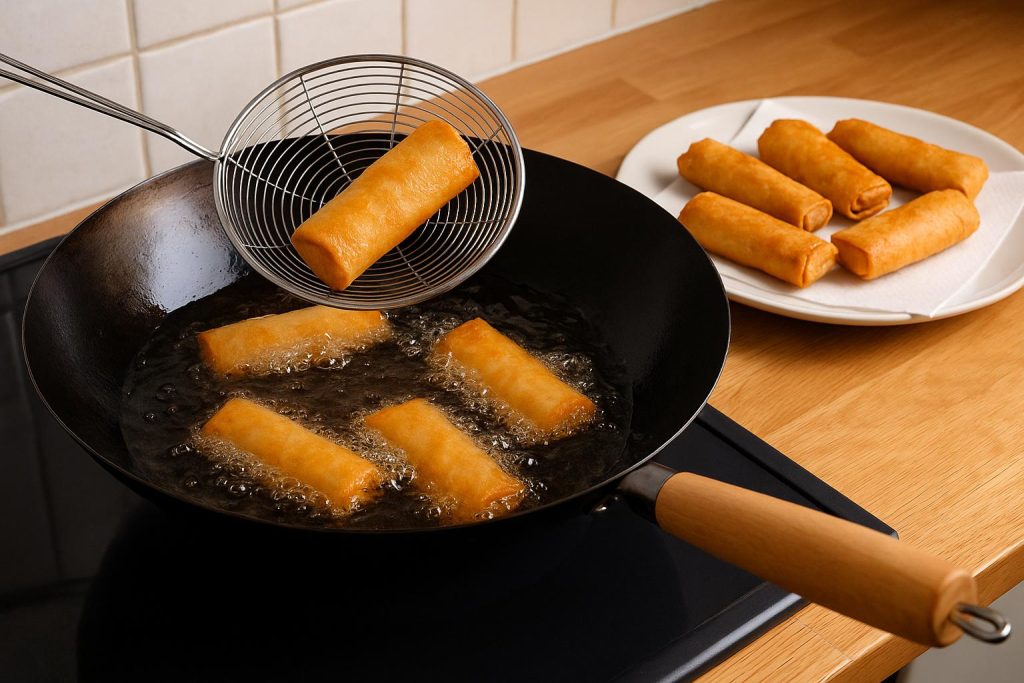
Begin by setting your wok over medium-high heat. Introduce enough vegetable oil to submerge the spring rolls halfway, which typically requires about 1-2 inches of oil in the wok. Gradually heat the oil to approximately 350°F (175°C). This precise temperature is crucial, as it ensures a quick sizzle that crisps the exterior without over-absorbing oil. If a cooking thermometer is unavailable, test the oil by dipping a spring roll edge in; correctly heated oil will sizzle instantly.
Carefully place a few spring rolls into the hot oil, ensuring not to overcrowd the wok as this can destabilize the oil temperature and lead to uneven cooking. Allow each roll to fry for about 4-5 minutes, turning intermittently to achieve an even golden brown color on all sides.
A slotted spoon is ideal for removing the cooked rolls, as it allows excess oil to drain efficiently. Transfer the rolls onto paper towels, where further excess oil can be expelled, ensuring maximum crispiness.
Tips and Considerations
Through the frying process, several considerations and tips can be employed to guarantee success:
– Maintaining a steady oil temperature is vital in ensuring your spring rolls remain perfectly crispy without absorbing an excessive amount of oil, which can render them greasy.
– If you are unfamiliar with traditional woks, practice using a non-stick wok, which may provide easier handling when frying.
– Post-frying, utilizing a warm oven to store the spring rolls can help retain their heat and crispiness if there is a delay in serving.
Conclusion
Crafting delicious spring rolls using a wok is both a satisfying and practical culinary exercise. By focusing on preparation and paying careful attention to the cooking temperatures, you can achieve spring rolls that offer a delightful crunch with every bite. The versatility of spring rolls makes them a perfect option for various gatherings, offering a simple yet flavorful culinary treat. For further skill development and variety in culinary techniques, consider browsing specialized cooking resources, as they can provide excellent insights into perfecting a wide array of dishes.