Introduction
Chinese Black Pepper Beef is a classic dish that holds a special place in Chinese cuisine due to its sophisticated blend of flavors and textures. The key to mastering this dish lies in using a wok, which ensures heat is distributed evenly, allowing the beef to cook properly while maintaining its tenderness. This comprehensive guide will walk you through the process of preparing this tantalizing meal with attention to detail, ensuring you capture the authentic taste and presentation that is synonymous with Chinese culinary art.
Ingredients
To craft an exquisite Chinese Black Pepper Beef, you will need a carefully curated list of ingredients. Quality and freshness play a crucial role in delivering the best results. Thus, ensure that the ingredients are fresh and prepared as outlined:
– 300 grams of beef, such as sirloin or flank, meticulously sliced to thin pieces to ensure quick and even cooking.
– 1 tablespoon of freshly ground black pepper, essential for infusing the dish with its signature spicy undertone.
– 2 tablespoons of oyster sauce, which lends a umami richness and serves as a cornerstone of flavor in this dish.
– 1 tablespoon of soy sauce, contributing saltiness and depth to the marinade.
– 1 tablespoon of Shaoxing wine or dry sherry, incorporated for its aroma and subtle complexity.
– 1 tablespoon of cornstarch, acting as a tenderizer and thickening agent to enhance the dish’s texture.
– 2 tablespoons of cooking oil, preferably vegetable or canola, ensuring a neutral base for stir-frying.
– 1 onion, sliced, adding sweetness and another layer of flavor.
– 1 green bell pepper, sliced, for its vibrant color and crispness.
– 3 cloves of garlic, minced, offering its characteristic punch and aromatic depth.
– Salt to taste, allowing for further seasoning adjustments post-cooking, if necessary.
Preparation
Marinate the Beef: Initiating the dish with a proper marinade is crucial. In a suitably sized bowl, combine the thinly sliced beef with the first tablespoon of oyster sauce, soy sauce, Shaoxing wine, and cornstarch. Add half of the black pepper, mixing thoroughly to ensure an even coating on each beef slice. This marinade not only adds flavor but also tenderizes the meat, allowing the beef to absorb the flavors effectively. Allow the beef to marinate for a minimum of 15 minutes, enabling the flavors to permeate the meat.
Cooking Instructions
Step 1: Heating the Wok Elevate your cooking by properly preparing the wok. Set your wok over high heat until it reaches the smoking point. Add one tablespoon of cooking oil and swirl it around to coat the entire inner surface of the wok evenly.
Step 2: Cooking the Beef Introduce the marinated beef into the heated wok. Stir-fry briskly for approximately 3 to 4 minutes. The objective here is to brown the beef to seal in the flavors while ensuring it is not fully cooked through at this stage. Remove the beef and set aside, as you’ll reincorporate it later.
Step 3: Sautéing Aromatics With the wok still hot, introduce the remaining tablespoon of cooking oil. Add minced garlic and sauté briskly for about 30 seconds. This allows the garlic to become aromatic and form the flavor foundation for your vegetables.
Step 4: Stir-Frying Vegetables Introduce the sliced onion and green bell pepper into the wok. Stir-fry the vegetables for 2 to 3 minutes. The goal is to achieve a slightly tender state while maintaining a crisp texture, providing contrast to the tender beef.
Step 5: Combining Ingredients Reintroduce the beef into the wok, incorporating the remaining ground black pepper and an additional tablespoon of oyster sauce. Stir vigorously, ensuring each ingredient meshes together harmoniously. Allow everything to stir-fry together for an additional 2 minutes, ensuring the beef is cooked through and flavors meld.
Finishing Touches
As your dish nears completion, take a moment to taste and adjust flavors accordingly. Introducing a slight sprinkle of salt can enhance the overall taste, ensuring a balanced flavor profile. Serving suggestions include pairing the Chinese Black Pepper Beef with steaming hot rice or noodles, allowing the savory sauce to be fully appreciated by soaking into the accompaniment.
Additional Tips
To ensure the best textural outcome, it is advisable to slice the beef against the grain. This technique shortens the meat fibers, offering a more tender bite. Moreover, injecting additional vegetables, such as broccoli or snow peas, can introduce more vibrant colors and varied textures, appealing both visually and palatably. For those who prefer a more pronounced kick, adjusting the quantity of black pepper will do wonders. This dish serves as a versatile introduction to the broader array of Asian culinary delights. Should you wish to expand your repertoire of Asian recipes, additional resources are just a click away.
By adhering to these detailed instructions and insights, you can master the art of making Chinese Black Pepper Beef, captivating your senses with each perfectly executed step.
The Role of Stirring in Wok Cooking
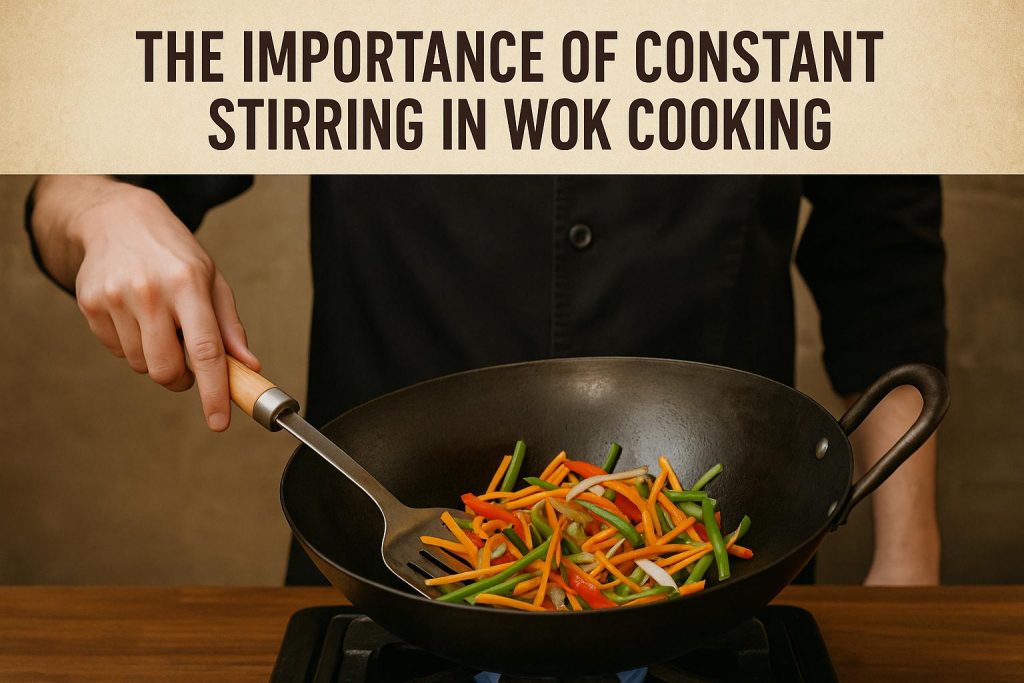
In the realm of culinary techniques, wok cooking holds a distinctive place, particularly valued for its quick cooking times and vibrant results. A key aspect of mastering wok cooking is understanding the significance of constant stirring. This technique is not mere tradition but is essential for achieving the desired texture and flavor in dishes.
Even Cooking
One of the primary reasons continuous stirring is crucial in wok cooking is to ensure even cooking. The unique design of the wok, with its rounded bottom, concentrates heat at the base. Without constant movement, ingredients at the bottom may cook too quickly, leading to burning or unevenly cooked food. Regular stirring distributes heat evenly across all ingredients, preventing one section from being overcooked while another remains underdone. The art of stirring allows the cook to manage temperature better, ensuring that all components of a dish are subjected to similar conditions and thus achieve a uniform doneness.
In a restaurant setting where speed and consistency are paramount, chefs rely heavily on this method to maintain the quality of their dishes. Home cooks can learn a great deal from this professional approach, incorporating similar techniques to elevate their own culinary endeavors. The wok’s design works with the stirring technique to create a cycle of heating, which aids in cooking through conduction and convection.
Preventing Sticking
Another vital aspect of stirring is its role in preventing sticking, a common issue due to the high heat and minimal oil often used in wok cooking. As food cooks, it can easily adhere to the hot metal surface of the wok. By keeping the food in motion, you reduce the chances of ingredients sticking to the pan, making cleanup easier and maintaining the integrity of the dish. A well-maintained wok has a semi-non-stick surface achieved through seasoning, and stirring helps capitalize on this feature, ensuring that food moves freely across the surface.
Sticking not only affects the texture but can alter the taste by causing burnt residues, which may introduce undesirable flavors into the dish. Frequent stirring assists in maintaining a smooth cooking flow, allowing the natural flavors of the ingredients to shine without the interruptions caused by sticking.
Enhancing Flavor Integration
Flavor integration is another benefit of continuous stirring. This practice ensures that sauces and seasonings coat each ingredient evenly. In a static cooking environment, sauces may pool or remain concentrated in one area, but by stirring, flavors are dispersed thoroughly throughout the dish, enhancing taste and ensuring that every bite is consistent. The interaction of ingredients facilitated by constant movement enhances the complex flavors typical of stir-fry dishes.
Stirring helps incorporate flavors from various seasonings, such as soy sauce, oyster sauce, or garlic, so they meld together harmoniously. This method respects the delicate balance of sweet, savory, and spicy notes that characterize many Asian dishes, allowing them to come together in a cohesive profile that delights the palate.
Maintaining Texture
The quick and constant agitation of ingredients is pivotal for maintaining the texture that wok-cooked dishes are known for. Vegetables, in particular, benefit from this, achieving a tender yet crisp texture that might be lost if they remain stationary and become overcooked in one area. Meats also remain tender due to the rapid exposure to high heat followed by immediate stirring.
Cooks must understand the importance of respecting cooking times; vegetables like bell peppers and broccoli take just moments to become perfectly cooked, provided they are constantly stirred. This type of precision is what makes wok cooking so unique, producing a dish that offers a variety of textures to enjoy in every bite. Techniques such as “wok tossing,” a variation of stirring, push this even further, adding flair and functionality by ensuring a thorough mix while aiding in moisture control, thus protecting the texture of each ingredient.
For those interested in learning more about advanced wok techniques, additional resources and cooking classes are available online, such as through culinary educational sites that specialize in Asian cuisine. Understanding these elements can significantly improve both the outcome and enjoyment of preparing dishes in a wok.
In conclusion, while wok cooking involves a high degree of heat, it is the act of constant stirring that transforms this process into an art, ensuring perfectly cooked meals that are a delight to the senses. Mastering this skill opens up numerous possibilities in terms of creating vibrant, flavorful dishes that remain true to their cultural roots while appealing to modern tastes. Stirring, as deceptively simple as it might seem, is an integral part of this process, embodying technique and tradition in every turn of the spoon.
The Science Behind Quick Cooking in a Wok
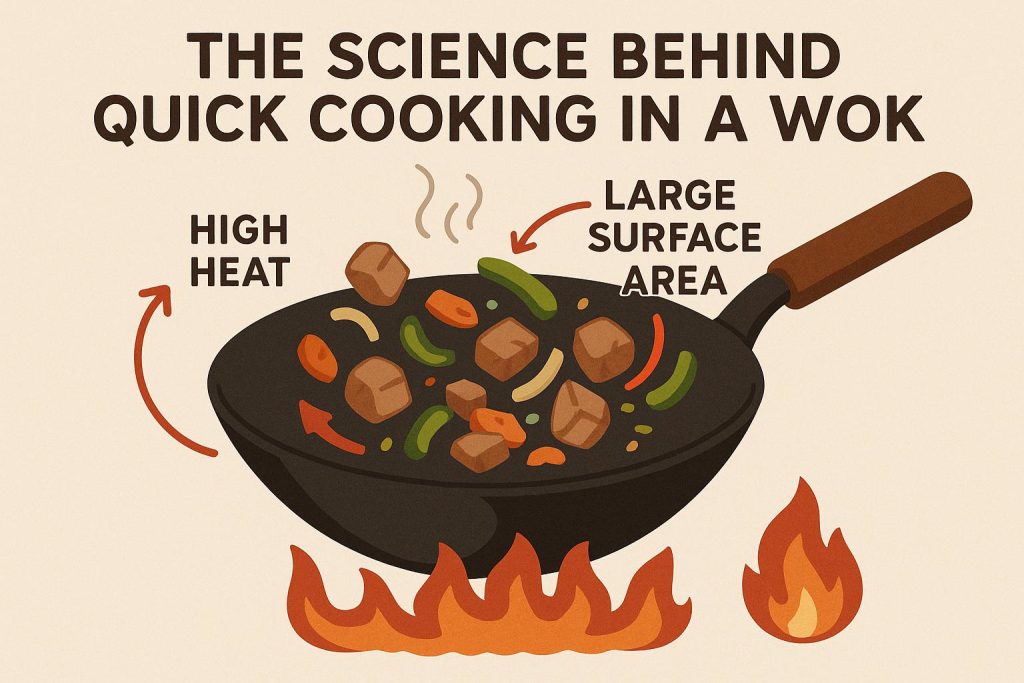
The wok is a fundamental tool in Asian cooking, renowned for its ability to cook food quickly and evenly. This is not only due to its unique shape but also the science behind how it interacts with heat.
The Shape and Design of a Wok
A wok typically features a rounded bottom and high, sloping sides, which differ significantly from the flat surfaces of traditional Western pans. This design contributes to the wok’s ability to cook food efficiently. The rounded bottom enables the hot flames to envelop the pan entirely, allowing for high temperatures that are essential for quick cooking methods, such as stir-frying.
Heat Distribution
The shape of a wok facilitates constant movement of ingredients, which helps in achieving even heat distribution. As the heat radiates from the bottom, it spreads to the sides of the wok, providing a gradient of temperature zones. Ingredients can be quickly seared at the bottom and moved up the cooler sides to avoid overcooking. This ability to control the cooking temperature is advantageous for maintaining the texture and nutrients of food.
In more detail, the wok operates on the principle of thermal dynamics, where the highest temperature is at the base and gradually cools off towards the rim. This thermal gradient allows for a variety of cooking methods within the same apparatus, permitting easy transitions between techniques such as searing, simmering, and steaming, which adds layers of flavors and textures to dishes.
Material and Heat Conductivity
Woks are typically made from materials like carbon steel or cast iron, which are excellent conductors of heat. These materials not only heat up rapidly but also retain heat effectively, a crucial factor for the quick cooking process. Carbon steel, in particular, offers a lightweight option that combines strength and superior heat conduction, making it a favorite among professional chefs. Meanwhile, cast iron provides excellent heat retention, though it takes slightly longer to heat up due to its density. Regardless, both materials contribute to the efficiency of the cooking process.
Choosing the right material corresponds directly with the cooking outcomes; a well-seasoned carbon steel wok can provide a non-stick surface once properly oiled, emulating the benefits of modern non-stick coatings but without the risk of chemical exposure.
The Technique of Stir-Frying
Stir-frying is a cooking method intricately linked with wok cooking. The process involves high-heat and continuous motion to sear food and lock in moisture, preserving both taste and texture. The term “stir-fry” itself emphasizes the need for constant agitation of ingredients, a technique that the wok’s design naturally accommodates.
Importance of High Heat
The high heat essential in wok cooking helps in the Maillard reaction, a chemical reaction that occurs when proteins and sugars in food are exposed to heat, causing browning and enhancing flavors. This reaction is paramount for developing the complex flavors that are characteristic of expertly stir-fried dishes.
Maintaining a consistent high temperature ensures optimal execution of the Maillard reaction. It prevents food from stewing in its juices and helps in achieving a crispy texture without overcooking the interior of the ingredients, thereby optimizing the flavor profile.
Oil and Smoke Point
Oil selection plays a critical role in this cooking method. Oils with high smoke points, such as peanut or canola oil, are preferred because they withstand the intense heat used in a wok without breaking down and producing smoke, which can impart unwanted flavors to the food.
Using oils not suitable for high temperatures can lead to burning, which not only affects taste but can also produce toxins. Selecting the right oil ensures not only safety but also enhances the food’s flavor, contributing to the dish’s overall quality.
The Versatility of Wok Cooking
Beyond stir-frying, woks can be used for a variety of cooking methods, including steaming, deep-frying, and braising. The versatility of the wok makes it an indispensable tool in the kitchen. Its design facilitates transitions between these techniques, enabling cooks to experiment with different cooking styles and cuisines while using a single pan.
Steaming and Braising
The high, sloped sides of the wok are perfect for braising, a slow cooking technique ideal for tenderizing tougher cuts of meat. Steaming, facilitated by the tight-fitting lid of some wok designs, helps retain nutrients and is an excellent method for preparing vegetables and fish.
Contributing to Culinary Efficiency
In addition to speed, cooking with a wok is energy-efficient. Its design allows for quick heating, which reduces cooking time and conserves energy. This efficiency makes it not only a practical choice for everyday cooking but also a sustainable one. The ability to use high heat, coupled with reduced cooking time, translates to lower energy consumption, aligning with many cooks’ desires for environmentally conscious cooking practices.
In conclusion, the science behind the quick cooking properties of a wok lies in its design, material composition, and the techniques employed during cooking. By leveraging these factors, cooks can produce flavorful and healthy dishes rapidly and efficiently. Understanding the nuances of wok cooking opens up opportunities for culinary exploration and mastery, enabling chefs to create meals that are as enjoyable to make as they are to eat. For further exploration into wok cooking techniques and recipes, a variety of culinary sites offer detailed guidance and instructional content.