Exploration of Cashew Chicken
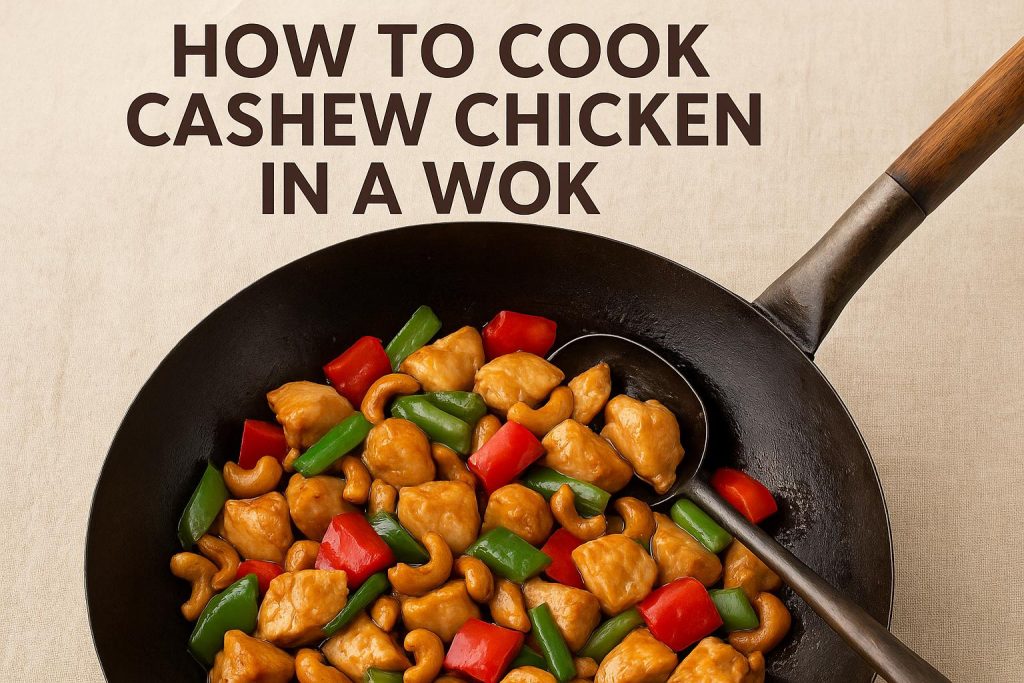
Cashew Chicken is a delightful dish that holds a place of prominence on many Chinese-American restaurant menus. It seamlessly fuses the delicate texture of chicken with the delightful crunch of cashews, enveloped in a flavor-packed sauce. This dish is traditionally cooked in a wok, a method that not only helps to amplify the dish’s flavors but also preserves its nutritional integrity. In what follows, we will delve into the components that make up Cashew Chicken, as well as the steps to prepare it at home.
Gathering Your Ingredients
To embark upon the journey of preparing Cashew Chicken, having the right ingredients is crucial. The composition of this dish can be segmented into three main components: the chicken, the sauce, and the additional essential ingredients.
Chicken Component:
Start with 500 grams of boneless, skinless chicken breast. Cutting these into bite-sized pieces allows for even cooking and better absorption of flavors. The chicken is then combined with 2 tablespoons of cornstarch along with the same measure of soy sauce, which imparts a salty, umami base. To facilitate cooking, 1 tablespoon of vegetable oil is used.
Sauce Preparation:
The sauce comprises several elements: 3 tablespoons of soy sauce for its foundational savory quality, 2 tablespoons of oyster sauce adding depth, and 1 tablespoon of hoisin sauce for sweetness. 1 tablespoon of rice vinegar contributes tanginess, complemented by 1 tablespoon of sugar for balance. A cornstarch slurry made from 1 tablespoon of cornstarch and 3 tablespoons of water serves to thicken the sauce.
Additional Ingredients:
1 cup of roasted, unsalted cashews are the stars of this category, providing essential crunch. Aromatics include 2 cloves of minced garlic and 1 tablespoon of fresh minced ginger, both of which offer a fragrant baseline. Adding color and texture, 1 chopped red bell pepper and 1 chopped onion play pivotal roles. Finally, 2 sliced green onions are reserved for garnish, with 2 tablespoons of vegetable oil utilized for cooking.
Marinating and Preparing the Chicken
In the initial stage of the cooking process, it is essential to marinate the chicken pieces. The combination of soy sauce and cornstarch coats the chicken, ensuring even marination. Allowing the chicken to rest for approximately 15 minutes is advantageous, as it facilitates tenderization and flavor infusion.
Wok Cooking Techniques
The wok is an essential tool in the preparation of this dish, offering a superior cooking environment that supports brief and intense frying.
Step 1: Initiating the Wok
Commence by placing a wok over medium-high heat. Introduce 1 tablespoon of vegetable oil to the already heated wok, and wait for it to shimmer, signaling readiness. At this juncture, add the chicken, ensuring an even distribution within the wok to prevent overcrowding, which could lead to steaming rather than frying. Stir-frying the chicken achieves a golden brown hue and thorough cooking, approximately in 5-7 minutes. The chicken is subsequently removed and reserved for later use.
Step 2: Vegetable Stir-Fry
Using the same wok, the focus shifts to the vegetables. Introduce the remaining tablespoon of vegetable oil followed by the minced garlic, ginger, and onion. This combination is cooked briefly, about 30 seconds, to release its aroma. The red bell pepper is then introduced, with continuous stirring over 2-3 minutes until the vegetables acquire a tender yet crisp consistency.
Step 3: Merging Flavors
Reintroducing the chicken to the wok marks the commencement of amalgamating all ingredients. The roasted cashews are added at this point, ensuring they are evenly dispersed. The prepared sauce is poured in, once adequately stirred to prevent settling of the cornstarch. Stirring continuously until the sauce thickens ensures it clings to the chicken and vegetables, enriching every component with flavor.
Final Presentation
After achieving the perfect consistency, the Cashew Chicken is removed from heat to retain its optimal taste and texture. Serving it hot and garnished with fresh green onions adds extra flavor and visual appeal. Steamed rice or noodles complement the dish beautifully, enhancing the overall dining experience.
Bringing it All Together
Cooking Cashew Chicken using a wok boasts simplicity and cost-effectiveness, while ensuring that flavors integrate in their entirety. The dish’s essence is characterized by the interplay of vividly colored vegetables and the nutty undertone of roasted cashews, harmoniously blending with the savory marinated chicken. With the understanding of these techniques and an attention to detail, one can recreate a restaurant-quality dish within the comfort of one’s home.
Introduction
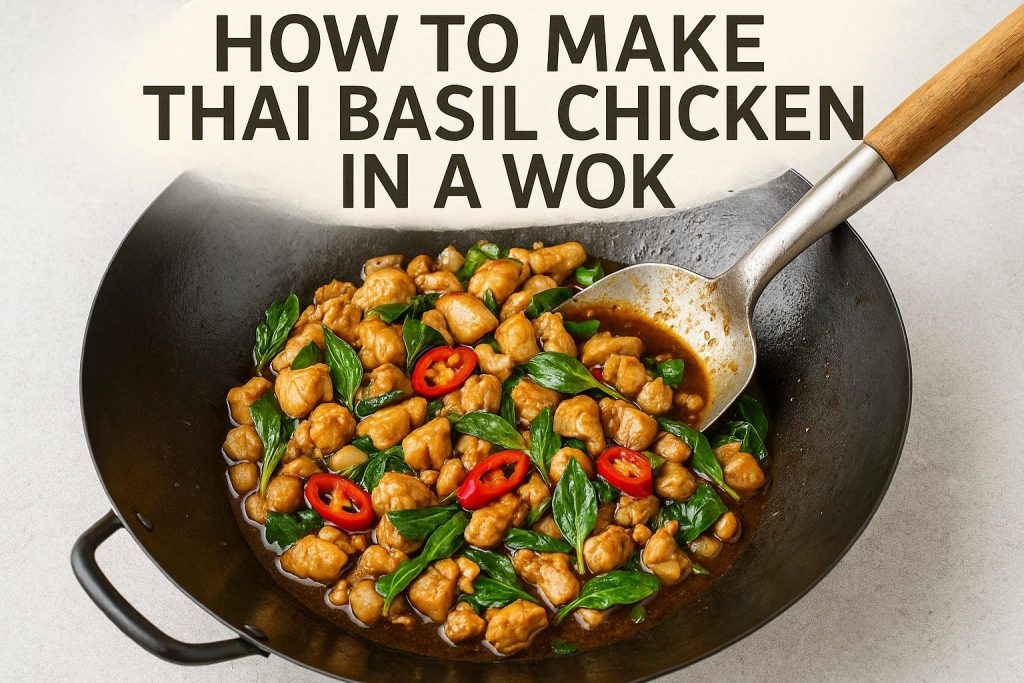
Thai Basil Chicken, known as “Gai Pad Krapow” in Thai, stands as a quintessential dish that reflects the intricate yet harmonious balance of flavors that Thai cuisine is celebrated for. This dish embodies the combination of savory, spicy, and aromatic elements, epitomizing the vibrant flavors one expects from Thai street food. Gai Pad Krapow is often prepared swiftly with the aid of a wok, contributing a distinctive smoky fragrance that permeates through each component. The following guide provides a comprehensive look at how you can recreate this beloved street food classic within your own kitchen.
Ingredients
To embark on the creation of Thai Basil Chicken, you’ll need to assemble the following ingredients:
- 500g of chicken breast or thigh, sliced thinly: Choose either breast or thigh as per your preference. Slicing the chicken thinly will facilitate quick cooking and optimal flavor absorption.
- 2 tablespoons of vegetable oil: Essential for stir-frying, providing enough lubrication to cook the chicken and aromatics effectively.
- 4 cloves of garlic, minced: Garlic acts as a foundational aromatic, offering a pungent depth of flavor.
- 5-10 bird’s eye chilies, chopped: The level of spice is adjustable based on your preference, with these chilies imparting the characteristic heat.
- 1 tablespoon of soy sauce: This introduces a salty undertone, enhancing the dish’s complexity.
- 1 tablespoon of oyster sauce: This component offers a sweet, savory glaze that envelops the chicken.
- 1 teaspoon of fish sauce: A staple in Thai cuisine, fish sauce provides umami richness.
- 1 teaspoon of sugar: A hint of sweetness to balance the salty and spicy flavors.
- 1 cup of fresh Thai basil leaves: These leaves are the heart of the dish, contributing a distinct aromatic profile.
The stipulated quantities suffice for serving approximately two to three individuals. Feel free to adjust proportions to cater to larger gatherings or personal taste preferences.
Preparation Steps
1. Preparing the Chicken
Begin by slicing the chicken into thin strips. The thin slices ensure that the chicken cooks rapidly and absorbs the flavors from the sauces and spices efficiently, ensuring even flavor distribution across the dish.
2. Heating the Wok
Set your wok over medium-high heat, adding the vegetable oil once the wok is sufficiently hot. Allow the oil to heat until it’s hot, yet not smoking, before proceeding to add any ingredients. The utilization of high heat is crucial—it ensures the chicken sears properly, acquiring the signature wok flavor that is both irresistible and authentic.
3. Cooking the Aromatics
Introduce the minced garlic and chopped bird’s eye chilies into the hot oil. Stir-fry these aromatics until the garlic reaches a golden-brown hue. This process is pivotal as it releases the garlic’s essence into the oil, establishing the aromatic foundation of the dish.
4. Stir-Frying the Chicken
Incorporate the sliced chicken into the wok promptly after the aromatics. Stir thoroughly to amalgamate the chicken with the garlic and chilies. Continue cooking the mixture until the chicken is entirely cooked through, ensuring a uniform texture and appearance.
5. Incorporating Sauces and Seasonings
Introduce the soy sauce, oyster sauce, fish sauce, and sugar into the wok. Stir energetically to guarantee that every piece of chicken is thoroughly coated. The amalgamation of these sauces imparts a sweet, salty, and umami-laden richness, adding depth and complexity to the dish.
6. Adding Thai Basil
At this juncture, add the fresh Thai basil leaves to the chicken mixture. Stir the contents for a few more seconds only until the basil wilts. This ensures that its robust aroma permeates and integrates seamlessly throughout the dish, offering an aromatic lift that is quintessential to the dish’s identity.
Serving Suggestions
Thai Basil Chicken is commonly paired with steamed jasmine rice, presenting a complete and fulfilling meal that delights the senses. Consider adding a final flourish by garnishing the dish with extra fresh basil leaves or perhaps topping it with a fried egg—an embellishment that is frequently utilized in Thailand to augment the dish’s appeal.
Conclusion
In conclusion, Thai Basil Chicken, or Gai Pad Krapow, manifests as a versatile dish remarkably suitable for swift preparation, especially with the use of a wok. The integral fusion of fresh Thai basil and a thoughtfully curated sauce blend cultivates an authentic taste experience that is emblematic of Thailand’s rich culinary tradition. For those eager to explore further halcyon Thai recipes or enhance their wok-cooking prowess, exploring resources such as Thai Cooking Adventures could serve as a wellspring of inspiration and knowledge, opening doors to new culinary adventures and mastery.
Understanding the Essentials of Cooking Fish in a Wok
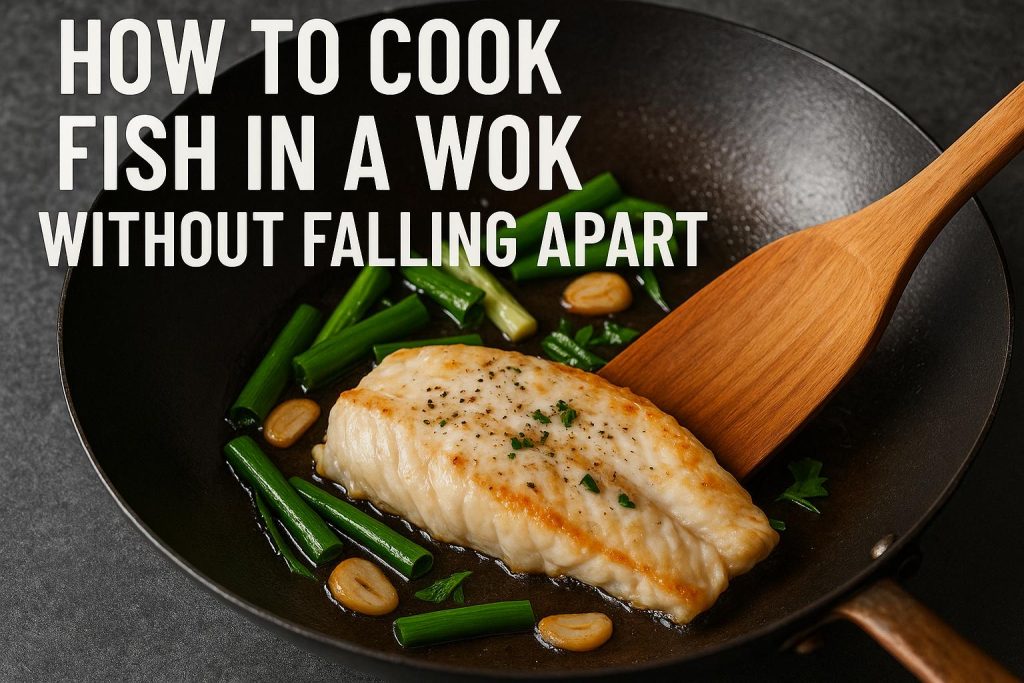
Cooking fish in a wok is an exceptional way to create flavorful and nutritious meals. However, mastering the technique can often be challenging, primarily due to the delicate nature of fish and the intense heat used in wok cooking. The objective is to maintain the fish’s structural integrity while achieving delightful flavors and textures. This process necessitates the use of the correct techniques, which this expanded article aims to elucidate comprehensively.
The Significance of Fish Selection
Choosing the appropriate type of fish is critical in determining the success of cooking it in a wok. Not all fish are equal in terms of how well they hold together under heat. Opting for varieties such as salmon, cod, or halibut is advisable, as these types possess firmer flesh that is less likely to disintegrate during the cooking process.
Freshness is a key determinant when selecting fish. Always look for fish that exhibit bright, clear eyes, firm texture, and a mild oceanic aroma as indicators of freshness. These attributes ensure the integrity and taste of the finished dish.
The Importance of Preparing the Fish
Once the right type of fish is selected, preparing it adequately is the next critical step. Upon patting the fillets dry with a paper towel to absorb any surface moisture, you reduce the risk of sticking and ensure even cooking. This step also helps in the development of a crispy exterior, enhancing the textural contrast.
Seasoning is equally pivotal. A well-seasoned fish not only pleases the palate but also complements the inherent flavors of the fish. Incorporating a blend of seasonings such as salt, black pepper, and garlic powder is often recommended. For those who enjoy citrus notes, adding a touch of lemon zest can elevate the overall flavor profile.
Optimizing Heat Management
The temperature of the wok is crucial to the cooking process and requires careful attention. Preheating the wok is necessary before any ingredients are added. A preheated wok provides a non-stick cooking surface, which minimizes sticking risks and facilitates easier maneuvering of the fish.
To test if the wok is ready, sprinkle a few drops of water into it; if they sizzle and evaporate almost instantly, it’s a clear indication that the wok is sufficiently heated. Avoid overheating, as this can lead to burnt edges and uneven cooking.
Strategically Adding the Fish to the Wok
Once the wok has reached the appropriate temperature, the next step is to add oil. It is essential to choose oils that can withstand high heats without smoking, such as canola or peanut oil, as these oils maintain stability under intense heat without imparting off-flavors.
Introduce the fish to the wok by gently laying the fillets in the pan. Ample space between fillets prevents overcrowding and ensures that each piece cooks evenly. Overcrowding the wok reduces the heat and affects the searing process, leading to steaming rather than achieving a crisp exterior.
Perfecting the Cooking Technique
Successful cooking in a wok relies heavily on timing and technique. Allow the fish to remain on one side undisturbed until it naturally releases from the wok. This step not only ensures a beautifully browned exterior but also signifies that the protein structures have sufficiently set, reducing the likelihood of breakage.
When flipping the fish, employing a thin metal spatula allows for precision and minimizes the stress put on the fillet. A gentle touch is required to avoid tearing. Upon flipping, continue cooking the fish on the second side for a shorter duration to prevent overcooking. To assess doneness, use a fork to gently separate the layers of the fish. The fish should flake easily yet retain a slightly moist center.
Refining the Process with Additional Tips
For those pursuing mastery in wok-style fish preparation, further exploration of techniques and insights can be beneficial. A wide range of resources, such as specialized guides and cooking classes, offer valuable information and practical advice on this subject.
Furthermore, experimenting with diverse seasonings and sauces can broaden the horizons of wok-cooked dishes. Balancing savory elements with contrastive sweet or sour accompaniments can enhance the overall dining experience. A well-chosen side dish can also add variety and complement the flavors of the fish, contributing to a well-rounded meal.
By meticulously following these techniques and leveraging informed selections, the art of cooking fish in a wok can be achieved with efficiency and success. The result is a dish that is both visually appealing and delectably satisfying.
The Essentials of Stir-Frying Broccoli in a Wok
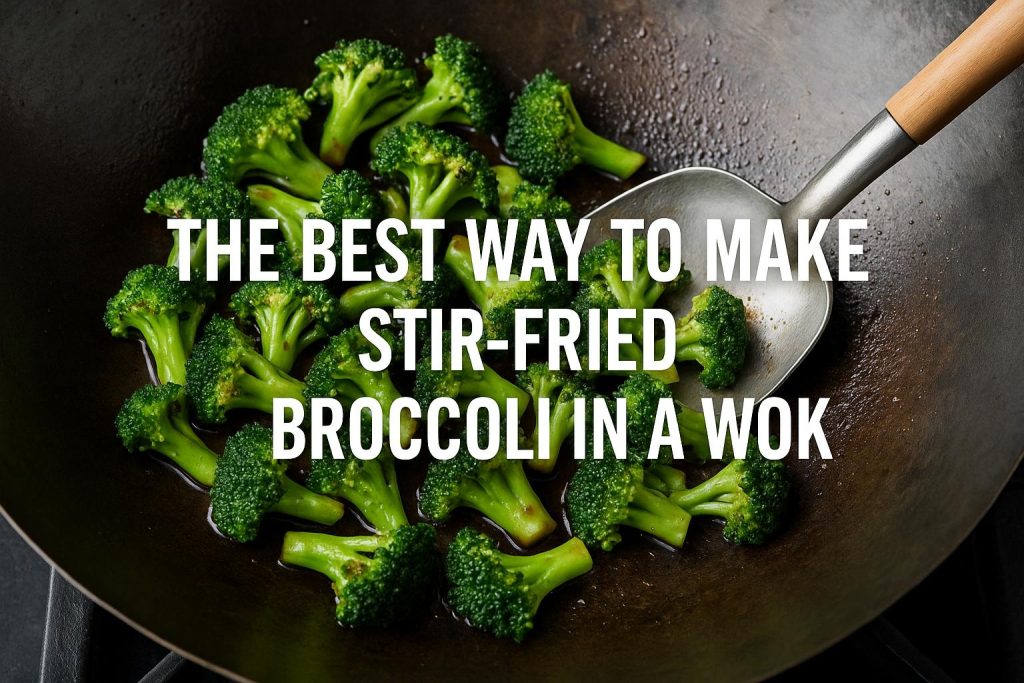
Stir-frying broccoli in a wok is a culinary technique that enhances its rich, natural flavors while maintaining its nutritional benefits. This quick cooking method ensures that broccoli retains its crisp texture and vibrant color. Below are the key elements to creating the perfect stir-fried broccoli.
Ingredients and Preparation
Start by selecting fresh broccoli for optimal flavor and texture. When choosing broccoli, look for bright green florets and firm stalks, as these are indicators of freshness. Once you have your broccoli, trim it into uniform pieces. This step is crucial because it ensures even cooking, allowing all pieces to be cooked through at the same rate, avoiding overcooked or undercooked sections.
To complement the broccoli, gather other essential ingredients such as garlic, soy sauce, ginger, and a high-smoke point oil like sesame or peanut oil. These ingredients contribute significantly to the dish’s savory depth. Garlic and ginger add aromatic elements while enhancing the broccoli’s natural flavor. Soy sauce imparts a salty, umami quality that pairs well with the vegetable’s slight sweetness.
Preparing the Wok
The wok is the preferred utensil for stir-frying due to its unique shape, which facilitates even heat distribution. This characteristic is vital for quick and efficient cooking, crucial for maintaining the broccoli’s texture and color. If your wok is made of carbon steel, it’s important to ensure it is properly seasoned. A well-seasoned wok prevents food from sticking and enhances the flavors of your dish over time.
Before beginning the cooking process, heat the wok over medium-high to high heat. It’s crucial to get the temperature right, as too low a heat will not allow for proper searing, while too high can burn the food. Add oil once the wok is hot. The oil should shimmer but not smoke, indicating it has reached the right temperature for cooking.
Cooking Techniques
Effective cooking techniques are essential in achieving the desired flavor and texture of stir-fried broccoli. Start by stir-frying the garlic and ginger in the hot oil. This preliminary step infuses the oil with rich flavors that will permeate the rest of the dish.
Once the oil is adequately flavored, add the broccoli. Using a wooden spoon or spatula, keep the broccoli moving within the wok. This constant motion prevents the broccoli from sticking, promotes even cooking, and ensures that each piece is equally flavored. The high heat will sear the broccoli, locking in flavor while maintaining its vibrant color and crispness.
Balancing Flavors
Adding soy sauce midway through the cooking process introduces a savory, umami taste to the dish. Soy sauce is a powerful ingredient, so use it thoughtfully to complement rather than overpower the broccoli’s natural flavors. If you wish to add another layer of complexity to the flavor profile, consider incorporating a splash of rice vinegar or lemon juice. These acidic elements provide a slight tang, enhancing the overall taste and balancing the dish by cutting through any excess richness.
As you cook, it’s important to taste the broccoli periodically. This practice allows you to adjust seasonings as necessary, ensuring a balance of flavors. Too much soy sauce can make the dish overly salty, while too little may not achieve the desired depth of flavor. Aim for a harmony of tastes where the broccoli’s freshness shines through yet is complemented by the savory and tangy notes.
Completion and Serving
The final stages of cooking and serving require attention to detail to ensure the best quality of the dish. When the broccoli has achieved a bright green hue and tender-crisp texture, it’s time to remove it from the heat. Overcooking will not only dull the broccoli’s vibrant color but also compromise its texture, turning it mushy.
Once the desired doneness is achieved, promptly transfer the broccoli to a serving dish. This step halts the cooking process, preserving the broccoli’s texture and color. The immediate transfer is essential, as leaving the broccoli in the hot wok will result in continued cooking from residual heat.
For those interested in diversifying their culinary repertoire, consider experimenting with different sauces and additional ingredients. Stir-frying offers versatility, and variations can lead to a wide array of delicious dishes. Using a different sauce or incorporating additional vegetables, proteins, or spices can create new culinary experiences while maintaining the basic principles learned from making stir-fried broccoli.
Through careful preparation and cooking, using the methods outlined, stir-frying broccoli in a wok becomes a straightforward yet rewarding means to enjoy this nutritious vegetable. This technique is not only a means to retain the vegetable’s inherent health benefits but also a way to enhance its flavors, creating a dish that is both healthy and deeply satisfying. By mastering the essential elements of stir-frying, you can create a consistent and delightful dish that can serve as a side or a standalone meal. With practice and experimentation, the wok can become a versatile tool in your kitchen arsenal, lending itself to countless dishes beyond broccoli.