Introduction
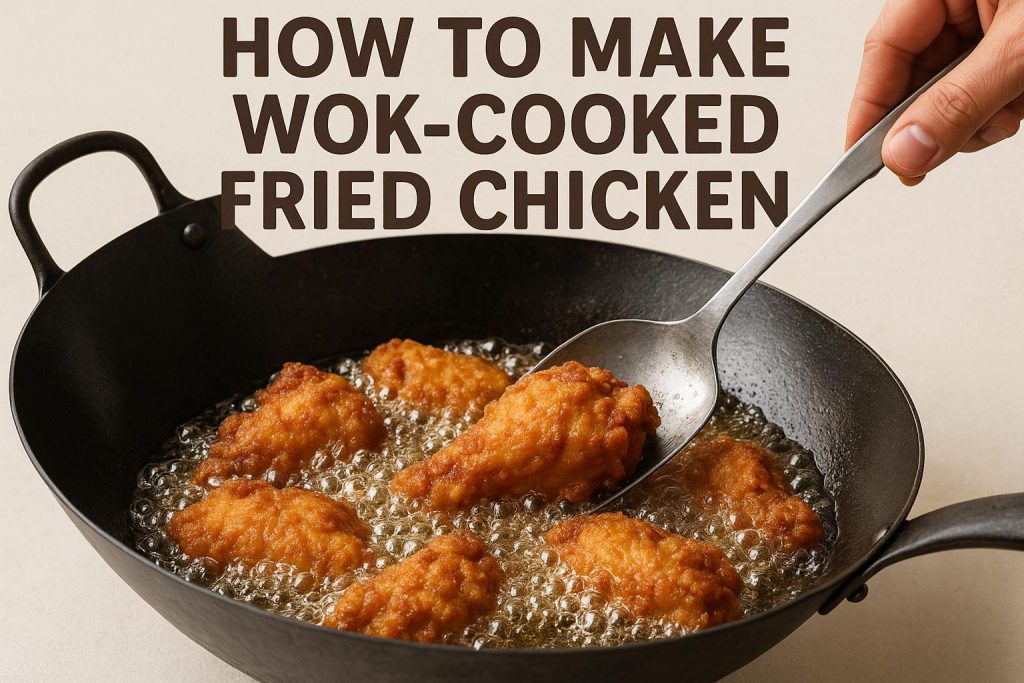
Wok-cooked fried chicken presents a rich culinary experience, combining the reliable familiarity of fried chicken with the nuanced cooking techniques of traditional Asian cuisine. Using a wok for frying achieves a uniquely crispy texture, owing to the intense heat and rapid cooking action that this method allows. In the following sections, we delve into the method of preparing this appetizing dish in your home kitchen, drawing from both technique and flavor tradition.
Ingredients
Crafting wok-cooked fried chicken requires an assembly of the right components:
Chicken: Opt for skin-on, bone-in cuts such as drumsticks or thighs. These pieces not only offer robust flavor but also retain moisture more effectively throughout the frying process, resulting in succulent bites.
Marinade: The marinade is essential for imparting depth of flavor. A balanced mix of soy sauce, garlic, ginger, and sesame oil works in harmony to elevate the chicken’s taste, imbuing it with a savory and aromatic appeal that delights the palate.
Coating: Achieving a satisfying crunch is essential in fried chicken. The use of both flour and cornstarch in the coating yields a light yet crispy outer layer, creating the perfect textural contrast to the tender interior.
Oil: For frying, select a cooking oil with a high smoke point, such as peanut or vegetable oil. These oils withstand the high temperatures required in wok cooking without breaking down and affecting the flavor.
Preparation
To begin your journey in preparing wok-cooked fried chicken, attention to detail during preparation is key:
Marinate the Chicken: Start with the marinade, combining soy sauce, minced garlic, grated ginger, and sesame oil in a bowl. Submerge the chicken pieces in this flavorful bath. Marination should last at least 30 minutes, allowing enough time for the flavors to penetrate the meat thoroughly. For best results, refrigerate the chicken as it marinates, which aids in flavor infusion and keeps it safe from bacterial growth.
Prepare the Coating Mix: In a separate bowl, blend together flour and cornstarch. To this, add a pinch of salt and pepper, tailoring the seasoning to your preference. The mixture should be dry and fine, ensuring an even and clump-free coating on your chicken pieces.
The Cooking Process
Successfully navigating the cooking process involves precision and timing to achieve the ideal fried chicken:
Heat the Wok: Set your wok over medium-high heat on the stove. It’s crucial to thoroughly preheat the wok before beginning the frying process. This step ensures the oil reaches the correct temperature quickly, paving the way for an even cook.
Add the Oil: Pour into the wok enough oil to allow partial submersion of the chicken pieces. This cooking approach, akin to shallow frying, provides an even cook while minimizing oil use. Let the oil heat to around 350°F (175°C) before proceeding.
Coat and Fry the Chicken: Dredge each marinated piece in the flour-cornstarch mixture, ensuring a uniform layer that’s free of excess clumps. Gently place the coated chicken into the hot oil, taking care to avoid splattering.
Achieving Crispy Perfection
Precision in technique is required to reach the crispy perfection that defines excellent fried chicken:
Frying Time: Fry the chicken in manageable batches. Overcrowding the wok leads to a drop in oil temperature, which can undermine the crispiness of the coating, leaving your chicken soggy. Each piece should cook for approximately 6-8 minutes on each side, until it achieves a golden brown, crispy exterior.
Check Doneness: Assure quality and safety by checking the internal temperature of each piece. A reading of at least 165°F (75°C) signifies that the chicken is cooked adequately and safe to eat.
Drain the Oil: After cooking, transfer the fried chicken to a wire rack or paper towels. This step allows excess oil to drain away, preserving the crispness of the coating and preventing greasiness.
Conclusion
Embarking on the process of making wok-cooked fried chicken opens a venue to savor the fusion of tradition and taste. Through maintaining moisture within and showcasing a crispy exterior, this dish becomes an epitome of balanced culinary practices. It’s a testament to how cooking techniques can transform simple ingredients into a memorable meal. For those interested in further exploring the art of wok cooking, resources like Serious Eats offer extensive guides and insights. Embrace the depth of flavors and delight in the authentic experience of crafting your homemade wok-cooked fried chicken.
Ingredients and Preparation
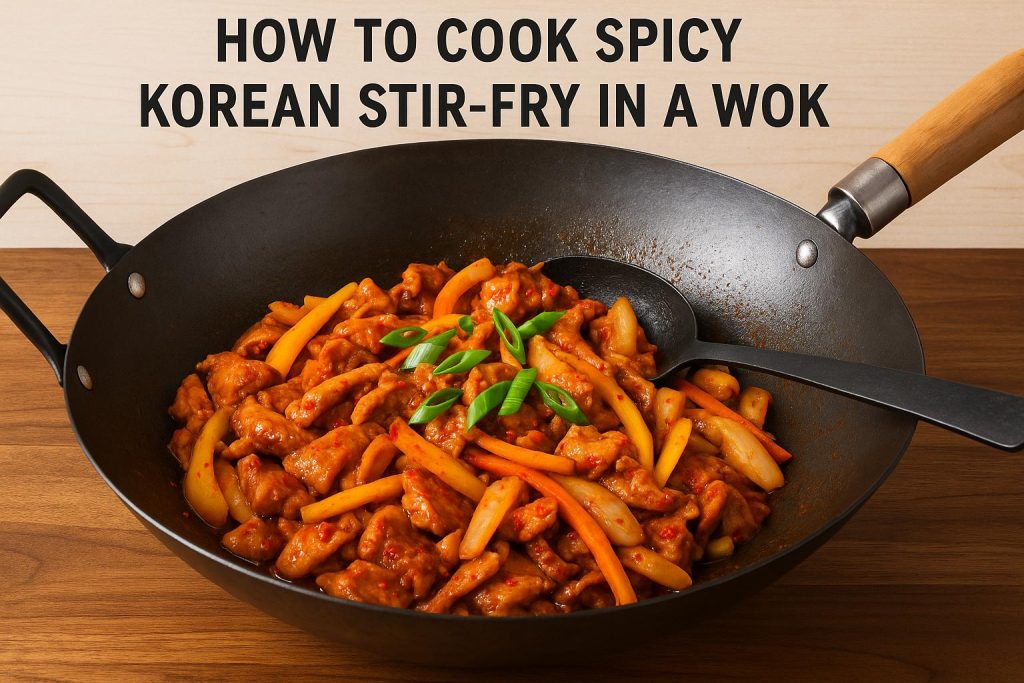
To prepare a Korean stir-fry that packs both flavor and spice, you’ll need a robust selection of ingredients that are staples of Korean cuisine. A choice of protein—usually thinly sliced beef or chicken—forms the base of the dish, providing both texture and nourishment. Vegetables such as bell peppers, onions, and carrots add color, crunch, and contrast, while integral flavor elements like garlic and ginger contribute their distinctive aromas and tastes.
However, the cornerstone of this spicy dish is the gochujang, a renowned Korean chili paste known for its multiple layers of flavor and distinctive heat. This ingredient doesn’t merely provide spiciness but also imparts a profound depth of flavor that defines this stir-fry.
The preparation begins with your chosen protein. Slicing the beef or chicken into thin strips is crucial, as this allows for rapid cooking and thorough infusion of the marinade’s flavors. At the same time, the vegetables need to be chopped into uniform, bite-sized pieces to ensure they cook evenly and are easy to eat.
Essential Cooking Equipment
Cooking a perfect stir-fry often hinges on the equipment used. A wok, with its distinctive bowl-shaped design, is indispensable for achieving the high-heat atmosphere necessary for stir-frying. Its shape provides a large surface area that distributes heat efficiently, ensuring quick and even cooking. If a wok isn’t available, a large frying pan can be an alternative, although it might not provide the same level of heat intensity and flavor amalgamation typical of a wok.
Marinating the Protein
Marinating the protein is a step that dramatically enhances its flavor profile, integrating spices and seasonings into the meat. To create the marinade, blend soy sauce, sesame oil, freshly minced garlic, finely grated ginger, and a portion of gochujang. Once mixed, this marinade should be used to thoroughly coat the protein, which is then left to marinate for a minimum of 30 minutes. The marination process not only tenderizes the meat but also imbues it with the characteristically spicy, umami-rich flavors associated with Korean cuisine.
Stir-Frying Process
Begin the stir-frying process by heating about a tablespoon of vegetable oil in the wok over medium-high heat. When the oil reaches a shimmering state, it is hot enough to start cooking. Add the marinated protein, working to stir-fry this in the hot oil until browned and fully cooked, a task that typically spans 5 to 7 minutes. Once the meat is ready, remove it from the wok and set it aside temporarily.
Using the same wok, an additional splash of oil might be necessary. It’s time to stir-fry the vegetables, pursuing a high-heat method to cook them for about 3 to 4 minutes. The goal here is to soften the vegetables slightly while maintaining a wonderful crispness, showcasing their natural flavors and textures.
Combining and Finishing
As the vegetables reach the desired level of doneness, it’s time to reintroduce the cooked protein to the wok. At this junction, if an increase in spice is preferred, another spoonful of gochujang can be infused. Thoroughly tossing the protein and vegetables ensures all components are evenly coated and heated through, marrying the flavors in a harmonious blend.
To finalize the dish, a sprinkling of sesame seeds and chopped green onions is added, offering a delightful finish both in terms of flavor and texture. The sesame seeds contribute a toasty, nutty note, while the green onions provide a fresh, sharp contrast that elevates the overall taste of the meal.
For those keen on further exploring the rich offerings of Korean cuisine, websites such as Korean Bapsang offer an array of recipes and cultural insights, serving as a valuable resource for developing culinary skills and expanding gastronomic horizons.
By following these procedures, one can master the preparation of a spicy Korean stir-fry, harnessing authentic ingredients and techniques to create a dish that is both satisfying and full of vibrant flavors.
Exploring the Uniqueness of Chinese-Style Omelets
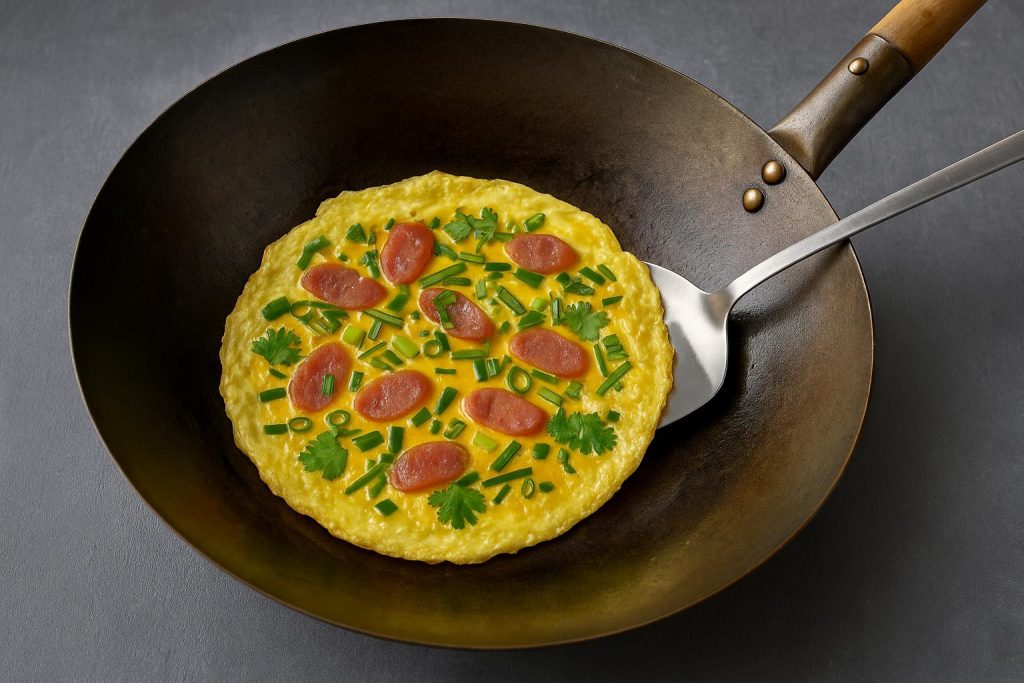
Chinese-style omelets, often referred to as egg foo young or dan chao dan, offer a delightful departure from the traditional Western omelet. This dish showcases a unique blend of flavors and cooking techniques that highlight the culinary traditions of China. When preparing these omelets, the use of a wok is crucial. The wok’s design allows for quick and even exposure to heat, which is essential for achieving the desired texture and flavor. With its sloping sides, this cookware enables cooks to stir-fry, toss, and flip the ingredients efficiently, which enhances the overall cooking process.
The Art of Selecting Ingredients for Chinese-Style Omelets
Choosing the right ingredients is fundamental to preparing a successful Chinese-style omelet. The versatility of this dish allows for a wide range of components, accommodating both vegetarians and meat lovers.
Core Ingredients and Their Function
At the heart of the omelet are eggs, a staple in many dishes across the world. The eggs, when beaten with water, become the primary binding agent that holds all other ingredients together. Water, although a small addition, is key in ensuring the eggs remain fluffy and light.
Soy sauce plays an important role, adding depth and a umami-rich saltiness that complements the other flavors. Vegetable oil is preferred for its neutral taste and high smoke point, both of which are critical when cooking with a wok.
Aromatics such as garlic, a common ingredient in Chinese cooking, provide a fragrant base. When garlic is integrated properly, it releases a subtle but enticing aroma that enhances the dish’s complexity. Green onions contribute a mild onion-like flavor and a hint of sweetness, creating a balanced blend with the contrasting richness of garlic.
Additional Ingredients for Versatility
The inclusion of mushrooms introduces an earthiness to the omelet. Mushrooms are known for their ability to absorb flavors, which makes them an ideal choice for pairing with the savory components in the dish. The optional addition of proteins, like shrimp or chicken, offers an extra layer of texture and substance, making the omelet more filling and nutritious. The decision to incorporate such proteins can be influenced by personal preference, dietary requirements, or the desired balance within the dish.
Mastering the Preparation Techniques
Preparing a Chinese-style omelet is both an art and a science, where each step plays a crucial role in the dish’s outcome.
The Egg Mixture: Creating a Foundation
Blending eggs with water is a straightforward yet pivotal step. This combination ensures the eggs remain tender during cooking. Incorporating soy sauce and seasoning with salt and pepper establishes a balanced flavor profile, setting the stage for the subsequent ingredients.
Optimal Use of the Wok
Heating the wok correctly is essential. The use of a medium-high flame allows the wok to reach the right temperature—a point where oil shimmers without burning. This precise heating is what keeps the eggs from sticking and lends a smoother consistency to the cooked omelet.
Sautéing the Aromatics and Vegetables
The aromatics, garlic first, then followed by green onions and mushrooms, need to be cooked to perfection. The aroma of the garlic indicates when it has released its essential oils without turning bitter. Subsequently, the green onions and mushrooms are sautéed until just tender, allowing them to retain their flavors and nutrients. Should shrimp or chicken be included, they must be cooked thoroughly at this stage to ensure safety and flavor integration.
Creating the Omelet: Step-by-Step Technique
Cooking Process
Lowering the heat to medium before pouring in the egg mixture is crucial. This reduction prevents the underside of the omelet from overcooking. Pouring the eggs evenly ensures the ingredients are distributed throughout, forming a cohesive dish. The spatula technique involves gently pulling the edges toward the center, which assists in evenly cooking the eggs by allowing the uncooked mixture to reach the pan’s surface.
Finishing and Presentation
The critical final step involves deciding how to fold the omelet. Whether folded in half or into quarters, the aim is to achieve a tender yet fully set interior. This process, though simple, requires attentiveness to maintain the omelet’s integrity.
Once cooked, the omelet should be served immediately. To enhance its visual appeal and flavor, garnishing with additional green onions can provide a fresh, crisp element to contrast with the cooked components.
Embracing the Chinese Culinary Approach
Chinese-style omelets are a quintessential example of how traditional Chinese cooking principles can be applied in a contemporary kitchen. The ingenuity lies in its simplicity and adaptability, allowing cooks to customize the dish according to season, preference, or dietary need. For those seeking more depth in Chinese cooking, exploring a variety of related dishes can be both educational and rewarding. Mastery of Chinese-style omelets offers a vast array of culinary possibilities, making it a worthwhile addition to any home cook’s repertoire.
In exploring this dish and the techniques involved, one gains insight into the broader philosophies of Chinese cooking—a discipline that emphasizes harmony, balance, and the skilled use of fresh, seasonal ingredients.
Introduction
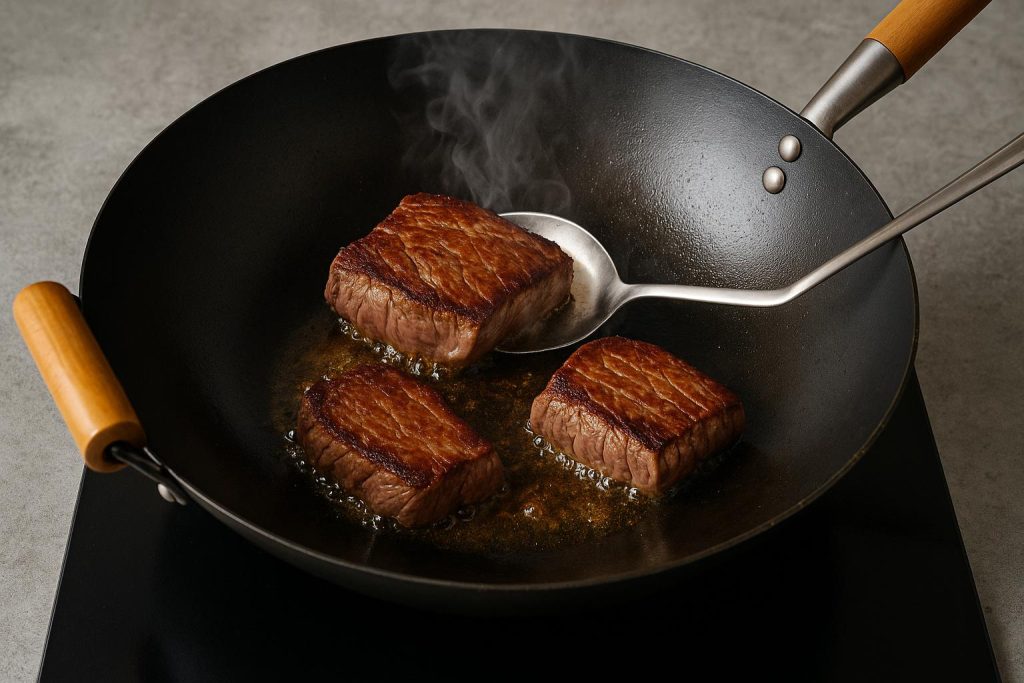
Cooking the perfectly seared beef involves a combination of technique, timing, and the right cookware. A wok, traditionally used in Asian cuisines, offers unique advantages like even heat distribution and a curved surface. This article guides you through the essential steps to achieve a flawlessly seared beef using a wok.
Choosing the Right Beef
Selecting the right cut of beef is crucial. Opt for cuts like sirloin, ribeye, or tenderloin for their tenderness and flavor. Ensure the beef is freshly sourced and preferably at room temperature before cooking. This helps promote even searing.
Understanding Different Cuts
Cuts like sirloin are known for their balance of flavor and texture, while ribeye provides rich marbling, making it exceptionally juicy. Meanwhile, tenderloin offers a softer, more delicate taste. Choosing the right cut sets the foundation for a successful dish.
Preparing the Beef
Begin by patting the beef dry with paper towels. Excess moisture can prevent a good sear, as steam hinders browning. Season the beef generously with salt and pepper. You may include additional spices or a marinade if your recipe requires, but always ensure the beef is properly dried before placing it in the wok.
Techniques for Seasoning
Seasoning plays a pivotal role in enhancing the meat’s natural flavors. You might consider using a simple rub of garlic powder, onion powder, and paprika for a subtle complexity. Just ensure that the seasoning adheres well by patting it into the meat before cooking.
Heating the Wok
Place your wok on the stove and turn the heat to high. A well-heated wok is essential for searing. Allow it to heat for a few minutes—it should be near smoking point. This high temperature facilitates the Maillard reaction, which is responsible for the rich, browned crust on the beef.
Recognizing the Right Heat
Knowing when your wok is ready for searing is a skill in itself. A quick test is to flick a few drops of water into the wok; they should evaporate almost instantly, dancing across the surface before disappearing.
Adding the Right Oil
Once the wok is sufficiently hot, add a high smoke point oil like canola, peanut, or vegetable oil. These oils can withstand the high temperatures required for searing. Ensure you swirl the oil around to coat the sides of the wok. This prevents sticking and promotes even cooking.
Understanding Smoke Points
Different oils have varying smoke points, which is the temperature at which they start to break down and smoke. Canola and peanut oils are excellent choices due to their high smoke points, making them ideal for searing.
Searing Technique
Carefully place the beef in the wok. Do not overcrowd; if necessary, work in batches to maintain the high temperature. Allow the beef to sear without moving it for several minutes until a crust forms. This step is critical for locking in juices and developing flavors.
Importance of a Good Sear
A properly developed crust not only adds attractive texture and visual appeal but also helps to trap the juices within the meat. This is crucial for keeping your beef tender and mouthwatering.
Finishing the Beef
After achieving the desired sear on all sides, reduce the heat to medium, especially if the beef needs further cooking internally. For thicker cuts, you may need to finish in the oven or continue in the wok until the desired doneness is achieved. Use a meat thermometer to check internal temperature, referring to guidelines for specific doneness levels.
Estimating Cooking Times
Cooking times will vary depending on the cut and thickness. As a general rule of thumb, a thicker cut may need about four to five minutes per side, whereas a thinner cut might only require two to three minutes.
Resting the Meat
Once cooked, allow the beef to rest for a few minutes before slicing. This step is crucial as it allows the juices to redistribute, resulting in a juicier bite.
Proper Resting Techniques
Place the beef on a warm surface or plate, tented loosely with foil. Adequate resting time is typically around five to ten minutes, depending on the thickness of the beef, to ensure optimal juiciness.
Conclusion
Cooking perfectly seared beef in a wok is a technique that balances preparation and precise heat control. By following these guidelines, one can achieve a dish that showcases both impeccable flavor and texture. For more information on techniques and tips, consult other culinary resources or expert guides. Cooking with a wok not only brings out the flavors of the beef but also provides an efficient and enjoyable cooking experience.