Introduction to Wok-Fried Popcorn
Creating homemade wok-fried popcorn is a delightful exercise that’s both simple and rewarding. The wok’s shape allows for even heat distribution, which aids in producing uniformly popped kernels. This method can be a pleasant deviation from traditional stovetop or microwave popcorn-making techniques.
Essential Ingredients
Generating delightful wok-fried popcorn begins with the right ingredients:
Corn Kernels: Start with fresh, high-quality popcorn kernels, as these ensure a higher pop rate and a more enjoyable end product.
Oil: Selecting the right type of oil is crucial. Using oils like vegetable, canola, or coconut, known for their high smoke points, will aid in optimal popping without burning the oil.
Salt: While a basic seasoning with salt enhances flavor, it leaves room for various other seasonings, opening doors for creative seasoning based on personal preference.
Step-by-Step Process
Choosing the Right Wok: Selecting an appropriate wok is vital for a successful popcorn-making experience. Ensure the wok is large enough, around 12 inches is generally suitable for most home operations.
Preheating the Wok: Proper preheating is key. Set the wok on medium heat, ensuring there’s enough oil to coat the base. Wait for a single test kernel to pop as a sign the oil is ready.
Adding the Kernels: Pour the popcorn kernels into the preheated wok, maintaining an even layer. Cover the wok promptly to capture the excitement of popping kernels inside.
Shaking the Wok: While keeping the lid on, regularly shake or swirl the wok gently on the heat. This motion ensures all kernels are in contact with the heated oil, encouraging uniform popping and minimizing burning.
Monitoring and Finishing: Listen closely to the popping rhythm. When the popping slows to a few seconds between pops, remove the wok from the heat. Leave it covered briefly to finish popping any remaining kernels. Pour the finished popcorn into a serving bowl for seasoning.
Popular Seasoning Options
While a sprinkle of salt is timeless, consider diversifying your seasoning approach:
Butter: Drizzle melted butter over your popcorn for a classic, rich taste, enhancing the snack’s traditional feel.
Spices: To add a savory depth, incorporate spices such as paprika, chili powder, or garlic powder, creating a more complex flavor profile.
Herbs: Enhance the aromatic quality of your popcorn with dried herbs like rosemary or thyme, offering an elegant and distinct taste.
For a deeper dive into flavor, feel free to experiment by mixing different seasonings and adjusting amounts until the perfect balance is achieved.
Cleaning Your Wok
Proper maintenance of your wok can significantly extend its lifespan:
– Allow the wok to naturally cool to avoid damage before washing.
– Utilize warm water and a gentle sponge to cleanse the wok without harming its surface.
– Steer clear of using harsh detergents to protect your wok’s seasoning.
– After completing the cleaning process, dry the wok immediately and, if it’s made of carbon steel or cast iron, apply a light coat of oil to prevent rust.
Conclusion
Homemade wok-fried popcorn stands as a simple and customizable snack, ideal for spontaneous enjoyment. With minimal ingredients and an easy process, you can craft a delicious treat tailored precisely to your flavor favorites. Exploring different seasoning combinations and making slight technique adjustments can lead to diverse outcomes. Whether you are a seasoned cook or exploring culinary creativity, wok-fried popcorn offers an opportunity to delight in homemade snacking. For those interested in further culinary exploration, various online resources are available to enhance your cooking repertoire.
The Versatility of Cooking with a Wok
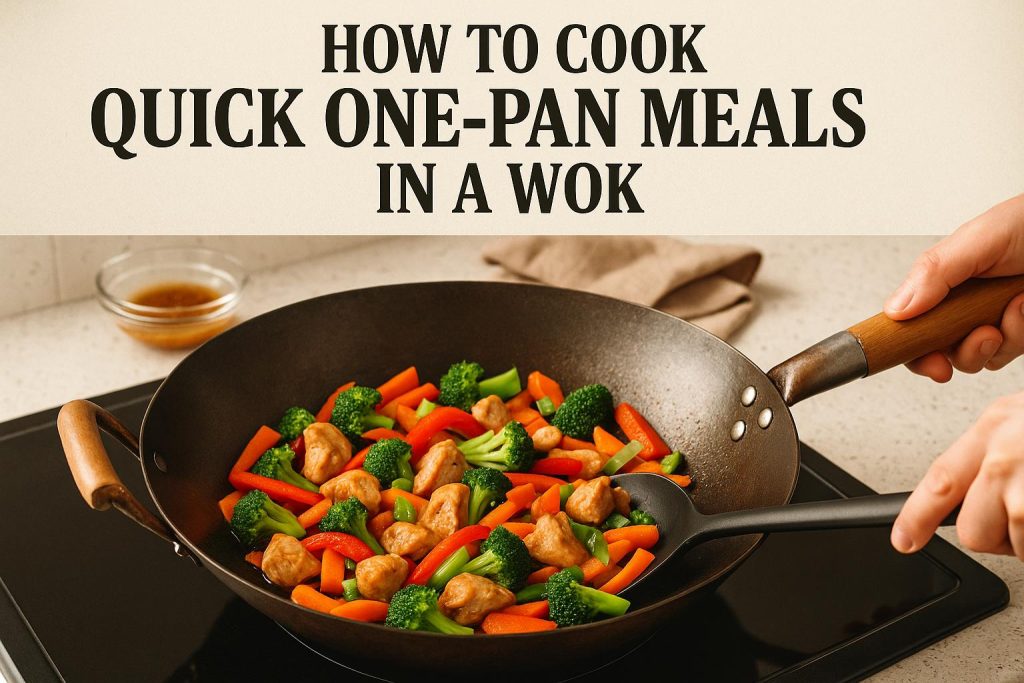
A wok is an essential kitchen tool that offers versatility when preparing quick one-pan meals. Its unique shape allows for even heat distribution, making it ideal for stir-frying, sautéing, and even steaming. The deep, curved surface enables the cook to move food around rapidly, ensuring fast and efficient cooking. This capability is one of the many reasons a wok can be a valuable addition to any kitchen.
Preparing the Ingredients
To maximize the potential of your wok, it is crucial to prepare all ingredients in advance. This process, often referred to as *mise en place*, involves washing, slicing, and measuring all the components your recipe requires. Having everything ready beforehand ensures a smooth cooking process, as foods cooked in a wok often finish quickly. The efficiency of this preparation method aligns with the fast-paced nature of wok cooking.
Key considerations for ingredient preparation:
When chopping and slicing, aim for uniformity. Uniform cuts help ensure that all ingredients cook at the same rate, which is particularly important when using high-heat cooking methods that woks support.
For vegetables, thoroughly drying them can be crucial. Excess moisture can lead to oil splatter when adding them to a hot wok, potentially making the cooking process more hazardous and less enjoyable.
Marinating proteins such as chicken, beef, or tofu is another significant preparatory step. Marination not only enhances flavor but also tenderizes the meat, allowing it to cook more evenly and quickly in a hot wok. Proper marination times can vary, from a quick 20 minutes for a light flavor to overnight for a deeper infusion. Choose your marination window based on the time you have and the flavor intensity you desire.
Choosing the Right Cooking Oil
Selecting the proper oil is essential given the high-heat cooking environment a wok provides. Opt for oils with a high smoke point to avoid burning and to ensure your dishes do not take on unwanted flavors.
- Canola Oil: Neutral in flavor and economical, canola oil is a great choice for wok cooking. It lets the natural flavors of your ingredients shine through without overpowering them.
- Peanut Oil: Known for its subtle nutty flavor, peanut oil is traditionally favored in many Asian stir-fry dishes. It withstands high heat well and adds a pleasant aroma to your dish.
- Sunflower Oil: Light in taste and suitable for various recipes, sunflower oil is another excellent choice for those looking for a mild-tasting oil that performs well at high temperatures.
It’s important to store these oils correctly. Keep them in a cool, dark place and tightly sealed to maintain their quality and prolong their shelf life. Refer to more oil options here.
Steps to Cooking a One-Pan Meal in a Wok
Once all the ingredients are prepped, it’s time to start cooking. Begin your culinary adventure by heating the wok over medium-high heat. This step ensures that when you add oil, it heats quickly and evenly across the surface.
Basic sequence to follow:
1. **Cook the protein first.** This ensures that it gets seared nicely without overcooking. By cooking the protein initially, you can benefit from the intense heat of the wok, which helps seal in juices, enhancing the dish’s overall moisture and flavor. Once seared, remove it from the wok and set aside, keeping it warm by covering it lightly.
2. **Add aromatics such as garlic, onions, or ginger.** Sauté them until fragrant. This step is where the primary flavors of your dish are developed. The aromas released create depth and enrich the oil, which will then coat the rest of your ingredients as they cook.
3. **Introduce vegetables,** starting with those that require a longer cooking time, such as carrots or broccoli. Subsequently, add more delicate vegetables like bell peppers or zucchinis that require less cooking time. This ensures that all ingredients reach their optimal texture without overcooking.
4. **Return the protein to the wok** and mix everything together. This step allows the protein to take on some of the flavors from the vegetables and aromatics, creating harmony in taste.
5. **Incorporate sauces or seasonings.** Toss the mixture to distribute flavors evenly. Ensure that you have enough liquid to coat all ingredients without making the dish too watery. Adjust seasoning to taste, bearing in mind that it should support, not overpower, the flavors of the main ingredients.
Cleaning and Maintaining the Wok
Proper care for your wok will extend its lifespan and maintain optimal cooking performance. After your meal, give the wok some time to cool slightly before starting the cleaning process. This precaution helps prevent damage due to temperature shock.
Avoid using abrasive cleaners, which can damage the wok’s surface and affect its performance over time. Instead, opt for a soft sponge with mild detergent, which is often sufficient for removing residues without harming the wok.
After washing, it is crucial to dry the wok thoroughly to prevent rust. Use a towel or heat it briefly on a stove to remove moisture effectively. For woks made of carbon steel or cast iron, consider applying a light coating of oil. This practice helps maintain the wok’s seasoning, enhancing its non-stick properties and protecting it between uses.
Regular maintenance like this keeps the wok in prime condition for future meal preparations, ensuring it remains a reliable and effective tool in your cooking arsenal. For more detailed insights into wok maintenance, see additional tips here.
The Integral Role of a Wok in Fusion Cuisine
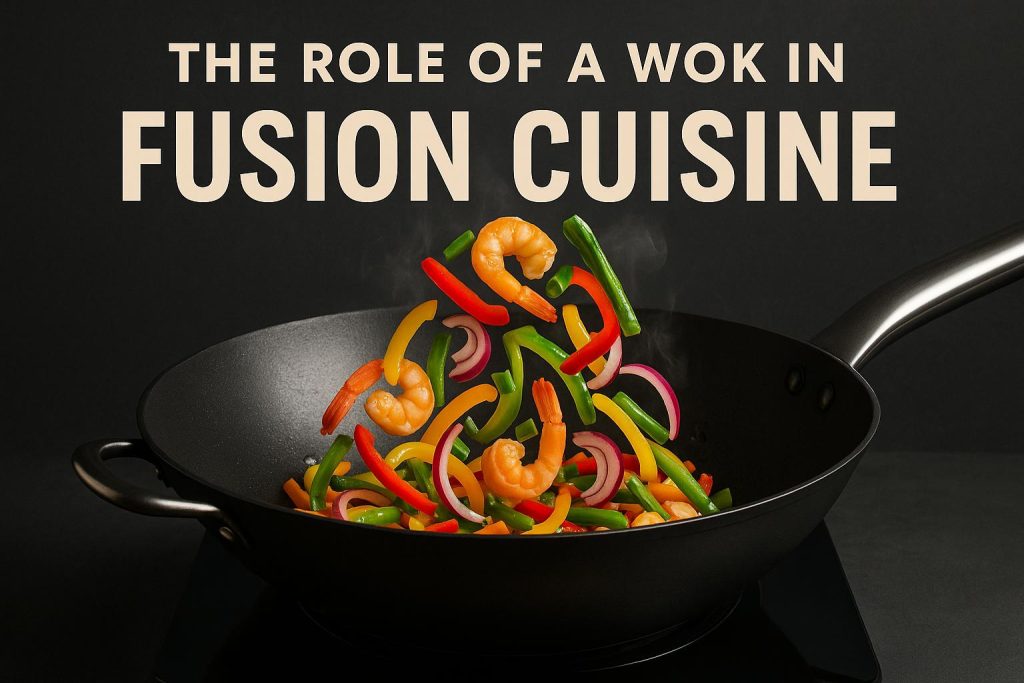
The wok, a versatile cooking vessel originating from China, has become an essential tool in fusion cuisine. This style of cooking blends elements from different culinary traditions to create innovative and exciting dishes. The wok’s unique design and functionality make it particularly well-suited to the demands of fusion cooking.
Historical Context and Design of the Wok
The history of the wok dates back over 2,000 years, with its development and widespread use deeply rooted in Chinese culinary tradition. The wok’s distinctive round-bottom shape and sloping sides facilitate an even distribution of heat, making it especially suitable for stir-frying, a technique crucial in fast-paced cooking styles. Its ability to vigorously toss ingredients is instrumental in developing complex flavors, a hallmark of successful fusion dishes. The wok’s efficiency in heat transfer and retention can be attributed to its clever design, which allows it to accommodate various cooking techniques, further enhancing its utility in fusion cuisine.
Material and Versatility
Woks are traditionally constructed from materials such as carbon steel, cast iron, and stainless steel. Each material brings unique characteristics to the cooking process. Carbon steel woks, for instance, are highly favored for their excellent heat conduction and light weight, which makes them easy to handle during cooking. Cast iron woks retain heat well, making them suitable for dishes requiring slow cooking. Stainless steel woks, on the other hand, offer durability and resistance to rust. This variety in construction allows the wok to support a wide range of cooking methods beyond stir-frying, including steaming, deep-frying, and braising.
The versatility of the wok allows chefs to seamlessly integrate an array of techniques and flavors from different culinary traditions. For instance, a wok can be used for searing meats as seen in Western cuisine, taking advantage of its ability to reach high temperatures quickly, or for lightly cooking vegetables to retain their crispness, a technique typical of East Asian dishes. The diversity of the wok’s uses makes it an invaluable tool for chefs aiming to blend cultural elements into a single dish, achieving the novel flavors that define fusion cuisine.
Achieving Flavor Complexity Through Wok Cooking
The rapid and high-heat cooking environment provided by a wok, combined with its efficient heat distribution, is instrumental in achieving the Maillard reaction. This chemical reaction between amino acids and reducing sugars gives browned foods their distinctive flavor, creating deep, savory profiles. The Maillard reaction is crucial in fusion cuisine, where chefs strive to build complex umami profiles and create new, yet harmonious, taste experiences.
For example, a fusion dish might combine Mediterranean spices with traditional Asian sauces. The wok’s ability to manage high temperatures efficiently allows these diverse ingredients to be cooked quickly, maximizing flavor without losing the authenticity of each component. This feature of wok cooking ensures that delicate ingredients like herbs and spices retain their aromatic qualities, while proteins develop a rich, savory crust, contributing to the overall depth of flavor in the dish.
Impact on Modern Fusion Cuisine
In the realm of modern fusion cuisine, the adaptability of the wok significantly supports the creative blending of culinary elements from various regions. Chefs utilize the wok as a platform for experimenting with innovative ingredient combinations. One might explore pairing Eastern spice blends with Western proteins, or integrating Latin American sauces with Asian noodles. Such combinations are made possible through the wok’s capability for quick, high-heat techniques, ensuring that ingredients consistently retain their vivid colors and fresh textures.
The aesthetic and sensory appeal of fusion dishes are further enhanced by the wok, as its design allows for both visual and flavor elements to be emphasized. This adaptability not only supports but also encourages chefs to challenge conventional cooking norms and push the boundaries of culinary creativity. The wok, therefore, facilitates a fusion of flavors that are not just a simple mix but a culinary synthesis that delights the palette in innovative ways.
Conclusion
To summarize, the wok plays a pivotal role in the realm of fusion cuisine, blending disparate cooking techniques and flavors into cohesive and innovative culinary creations. Its design, ease of use, versatility, and adaptability make it indispensable for chefs engaged in crafting complex and vibrant fusion dishes. As global palates continue to evolve, the wok remains at the heart of this culinary revolution, driving the fusion movement forward. To further enhance one’s understanding of wok cooking techniques, it is beneficial to explore resources from renowned culinary institutions and professional chefs who specialize in this dynamic culinary field.
Understanding Mushrooms: An In-depth Guide
Mushrooms have long captivated both culinary enthusiasts and nutritionists alike. As a type of fungi, they stand out for their distinctive umami flavor, which imparts a savory depth not easily replicated by other ingredients. Beyond their role in enhancing flavors in various cuisines, mushrooms offer a host of nutritional benefits, making them a valuable addition to a balanced diet. This article delves into the process of selecting, preparing, and cooking mushrooms to optimize their flavor and texture using the versatile cooking tool: the wok.
Selecting the Right Mushrooms for Maximum Flavor
The journey to a delightful mushroom dish begins at the selection stage. Choosing the right variety of mushroom is fundamental, as each type offers its own unique flavor profile and texture. Here’s a closer look at some popular types:
Button Mushrooms: These are perhaps the most recognized kind due to their ubiquitous presence in many grocery stores. Their mild flavor and versatility make them an ideal choice for beginners who want a no-fuss introduction to cooking with mushrooms. Their small size also allows for quicker cooking times, which is useful in dishes that require fast preparation.
Cremini Mushrooms: Also known as baby bella mushrooms, these are essentially a younger version of the portobello mushroom. Their slightly darker color hints at a more intense flavor compared to button mushrooms, making them a great choice for those looking to impart a slightly earthier taste to their dishes without overwhelming other ingredients.
Shiitake Mushrooms: These mushrooms are renowned for their robust, woodsy flavor that can’t be missed. They are a staple in Asian cuisines and are particularly valued for their capacity to enrich dishes with their hearty texture and deep taste. Shiitakes are a must-try for anyone wanting to explore the depth of flavors fungi can offer.
Selecting fresh mushrooms is paramount in any cooking endeavor. Look for mushrooms that have a firm consistency and a smooth, unblemished surface. Mushrooms showing signs of aging, such as spots or a slimy layer, should be avoided as they can affect both taste and safety.
Preparing Mushrooms: Key Steps
Once you’ve selected your preferred mushrooms, the next critical step is preparation. Cleaning is essential to remove any residual dirt, but it’s important to avoid dousing them in water. Brief rinsing under cold water followed by thorough drying with a towel is recommended. Immersing mushrooms in water can lead to a soggier texture due to water absorption, which can undermine the desired crispiness when cooked.
Uniform slicing is another key component; it ensures consistent cooking throughout, preventing any slices from burning or undercooking.
The Art of Cooking with a Wok
The wok, a staple in many Asian kitchens, is uniquely suited for cooking mushrooms. Its conical shape allows for even heat distribution, crucial for the quick cooking process required to maintain the texture and flavor of mushrooms.
Before starting the cooking process, ensure that the wok is heated adequately. A properly heated wok is essential for preventing ingredients from sticking and for promoting the caramelization that adds layers to the flavors of the mushrooms.
Choosing the Optimal Oil
The choice of oil plays a pivotal role in the success of cooking with a wok. Oils with high smoke points such as canola, grapeseed, or peanut oil are ideal. They withstand the high temperatures necessary for wok cooking, ensuring that the natural flavors of the mushrooms are preserved and highlighted rather than diminished by burnt oil residues.
Mastering Cooking Techniques
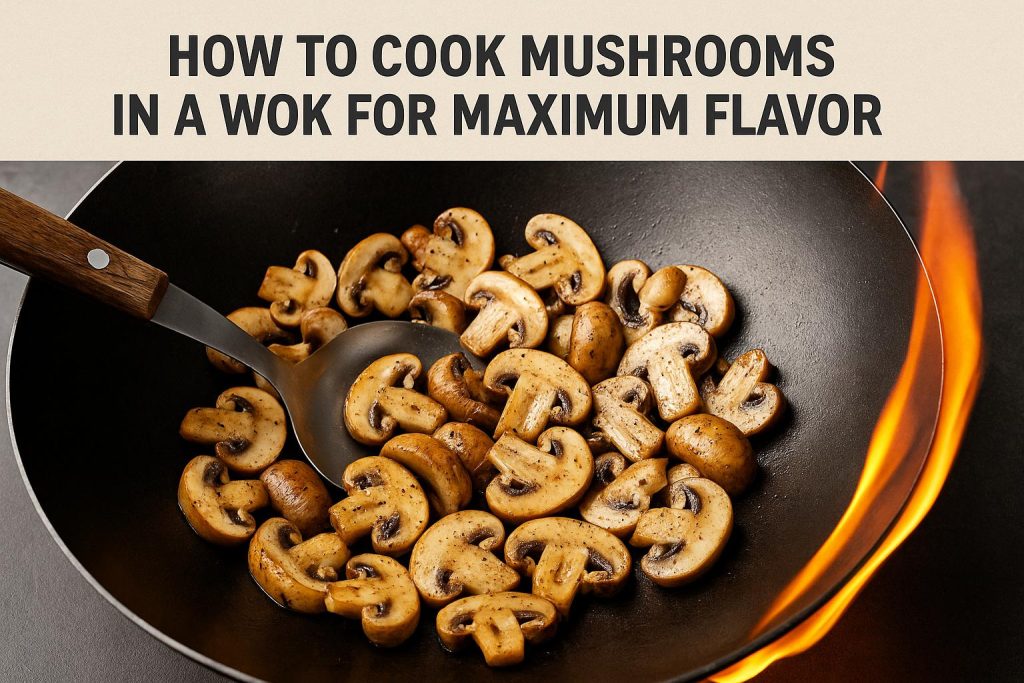
Stir-frying is the preferred method to accentuate the umami of mushrooms while maintaining a desirable texture. To begin, add the oil to your already heated wok and allow it to reach an appropriate temperature before introducing the mushrooms. The sizzling sound of the mushrooms hitting the hot oil is a sign that you’re on track for achieving even browning.
Continuous stirring is necessary to ensure that the mushrooms cook uniformly. This motion not only prevents sticking and burning but also facilitates the even distribution of oil and any additional seasonings or ingredients. Introducing garlic, ginger, or soy sauce can enhance the dish’s complexity, offering different notes of flavor that complement the inherent taste of the mushrooms. Take caution not to overcrowd the wok, as this can result in steaming instead of frying, leading to a less crispy texture.
Timing the Seasoning
The addition of salt and pepper towards the end of the cooking process is a strategic move. Salt has the effect of drawing moisture out of the mushrooms, which can interfere with the development of a nicely browned exterior. By seasoning at the end, you ensure that the moisture remains intact, allowing for optimal browning and enhanced flavor.
Creative Serving Suggestions
Mushrooms offer remarkable versatility once cooked. They can serve as a standalone dish, showcasing their rich, umami qualities, or be combined with various ingredients. Vegetables, tofu, or meats can accompany mushrooms for a balanced meal approach. Alternatively, serve them atop a bed of rice, noodles, or fresh greens for a wholesome, satisfying meal.
In summary, understanding how to choose, prepare, and cook mushrooms—especially in a wok—opens a world of culinary possibilities. By incorporating these techniques, you can enjoy mushrooms in a way that maximizes their natural benefits and flavors. For those interested in further enhancing their cooking repertoire, exploring additional culinary guides on wok cooking may prove invaluable.