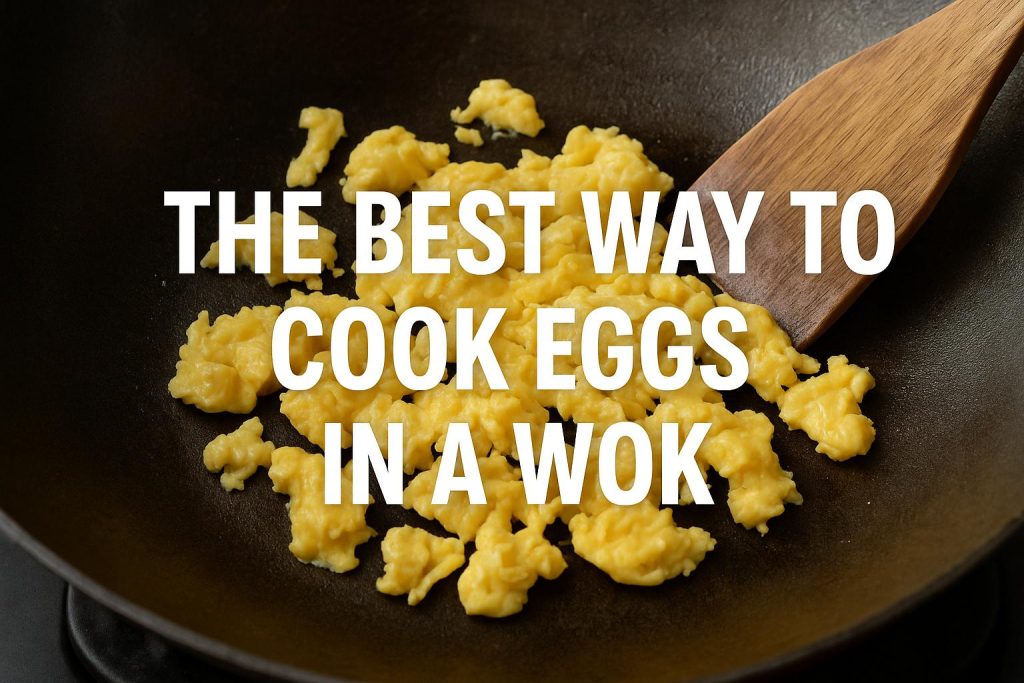
Exploring the Art of Cooking Eggs in a Wok
Cooking eggs is a fundamental kitchen skill that can be adapted and refined in many different ways. While traditional methods often involve using frying pans or skillets, utilizing a wok to prepare eggs can offer a fresh twist that enhances both texture and flavor. Known for its unique heat distribution and versatile design, the wok offers a reliable alternative for cooking eggs. This expanded article delves deeper into the methods, benefits, and techniques associated with cooking eggs using a wok, providing readers with a comprehensive guide to mastering this culinary art.
The Role of the Wok in Culinary Practices
Originating from China, the wok is more than just a piece of cookware; it is an essential part of many Asian culinary practices. Often associated with stir-frying, the wok’s applications extend far beyond, encompassing a variety of cooking techniques, including deep-frying, steaming, and even roasting. When it comes to cooking eggs, the wok’s distinctive properties facilitate a whole new experience. Understanding the historical significance and versatility of the wok can deepen appreciation for its use in contemporary kitchens around the world.
Design and Construction of the Wok
The wok’s design is fundamental to its effectiveness. Typically made from materials such as carbon steel or cast iron, woks are known for their durability and additional benefits they impart to the food cooked within them. Carbon steel woks, for instance, season over time, developing a natural non-stick surface that can further enhance the flavor of egg-based dishes. The circular shape, with its sloping sides, allows for easy movement and thorough mixing of ingredients, an asset when preparing eggs.
Benefits of Choosing a Wok for Cooking Eggs
The decision to use a wok for cooking eggs is grounded in several advantages:
High Heat Tolerance: The ability to withstand and distribute high heat efficiently is what makes the wok a superior choice. This characteristic is particularly useful for quick egg preparations where a swift, intense burst of heat can perfect the cooking process.
Even Heat Distribution: Unlike traditional pans, the wok spreads heat consistently across its entire surface. The avoidance of hotspots ensures that eggs are cooked evenly, preventing the risk of burning some parts while leaving others undercooked.
Adaptability: The wide surface area of the wok caters to the preparation of various egg styles, from scrambled to sunny-side-up, providing ample room for experiment and creativity without the constraints of overcrowding.
Essential Preparations for Cooking with a Wok
To make the most of cooking eggs in a wok, it is necessary to prepare the equipment appropriately. Proper preparation optimizes performance and preserves the wok for future use.
Cleaning and Maintenance
Maintaining the cleanliness of the wok is a critical first step. A clean and dry wok provides a non-stick environment ideal for cooking eggs. Regular seasoning of a carbon steel wok also contributes to its non-stick capabilities, enhancing the taste and consistency of the eggs.
Preheat the Wok
Preheating plays a pivotal role in ensuring even cooking. A properly heated wok provides an ideal condition for cooking eggs, resulting in faster and more efficient outcomes by reducing the variance in cooking time across the dish.
Appropriate Oil Selection
Using the correct type of oil is vital for successful egg preparation. Oils with high smoke points, such as sunflower, canola, or peanut oil, are recommended. They withstand the high temperatures used in wok cooking without burning, which complements the natural flavors of the eggs.
Mastering Cooking Techniques
The art of cooking eggs in a wok hinges on mastering several techniques, which can be adapted depending on personal taste and desired outcomes.
Unlocking the Secret to Perfect Scrambled Eggs
Crafting scrambled eggs to perfection involves a combination of technique and patience. First, gather all necessary ingredients: fresh eggs, salt, pepper, and milk. Mixing these components in a bowl to create a seamless blend lays the foundation for the dish.
Gentle Stirring: Once the egg mixture is poured into the preheated wok, gentle and patient stirring with a spatula from the edges towards the center helps form delicate curds. Proper timing ensures the eggs remain creamy and do not dry out—an essential factor in achieving a fluffy texture.
Excellence in Fried Eggs Preparation
Cooking fried eggs in a wok presents an extraordinary experience distinguished by texture:
Direct Cracking: Fresh eggs are cracked directly into the heated wok, allowing the whites to spread and cook evenly. The result is a set of whites with golden edges—a hallmark of perfect sunny-side-up eggs.
Cooking Preferences: Covering the wok briefly helps ensure the yolks cook to the preferred consistency. Chefs can personalize the preparation by flipping the eggs to create different textures, ranging from sunny-side-up to over-hard.
Advanced Tips and Techniques
For those eager to explore further, several advanced tips can elevate their egg-cooking journey with the wok:
Experiment with Flavors: Introducing additional ingredients such as herbs, spices, or vegetables into the egg mixture can add new dimensions of flavor and complexity.
Creative Presentations: Leveraging the wok’s potential for creative presentation involves arranging eggs in aesthetic patterns or combining them with complementary sides. This not only enhances the visual appeal of the dish but also encourages experimentation and innovation in presentation.
Continuous Learning: Engaging in further culinary education can open doors to mastering the art of using woks in diverse ways, complementing egg dishes or broadening their culinary repertoire to include other meals.
Conclusion: Expanding Possibilities
Using a wok to cook eggs is not just about the practical benefits; it is an exploration of culinary creativity and technique. As a versatile and highly effective tool, the wok simplifies the preparation process while enhancing the flavor and texture of eggs. Whether you are scrambling or frying, this reliable utensil can bring out the best in your cooking. To continue enhancing cooking skills, patrons of culinary arts might pursue courses or resources focused on wok-based cooking strategies, ultimately expanding their capabilities and kitchen repertoire.