Introduction
The choice of cookware is an important element in the cooking process that can have a far-reaching impact on the quality and flavor of the dishes prepared. Among the various types of cookware available, the wok and the skillet are two of the most commonly used in kitchens around the world. Each type of cookware offers versatility and is an essential tool for different cooking methods. However, the differences in their design, materials, and functionality can influence the cooking style you adopt and the nature of the dishes you create.
Design and Shape
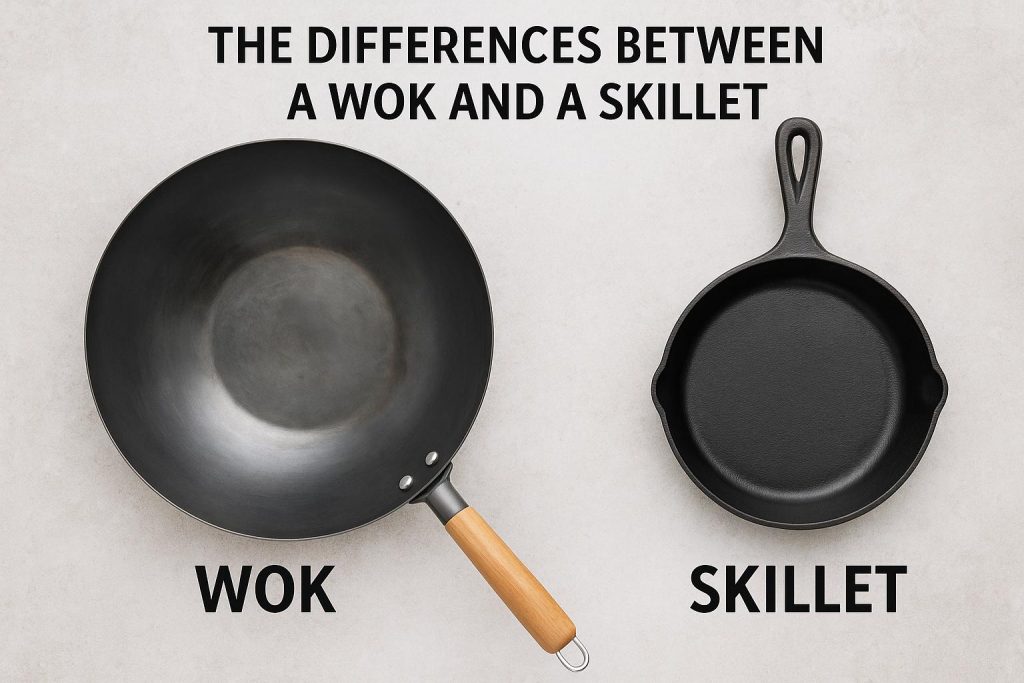
The design and shape of cookware are critical factors that determine their suitability for particular cooking methods. The wok is characterized by its distinctive round-bottomed shape, accompanied by high, sloping sides. This unique construction enables excellent heat distribution, a quality that is particularly beneficial for cooking techniques that require high temperatures, such as stir-frying. The depth and slanted sides allow for easy tossing of ingredients, ensuring even cooking.
In contrast, the skillet is designed with a flat bottom and low, even sides, which makes it ideal for evenly cooking food with direct contact with the heat source. This feature is particularly useful for culinary tasks such as frying, sautéing, and browning foods. The flat surface ensures that food cooks evenly and is browned to perfection.
Material and Heat Distribution
The materials from which a piece of cookware is made can significantly impact its performance, particularly in terms of heat retention and distribution. Woks are frequently crafted from carbon steel or cast iron. These materials are known for their ability to retain and evenly distribute heat, which is paramount for quick, high-heat cooking techniques. The ability to maintain consistent heat is crucial in stir-frying, where ingredients must be cooked quickly to preserve their texture and flavor.
Skillets, on the other hand, are available in a wider range of materials including stainless steel, non-stick coatings, and cast iron. Each material offers varying degrees of heat distribution and retention. For instance, cast iron skillets are prized for their heat retention and even cooking characteristics, while non-stick skillets allow for easy food release and simple cleaning but may not handle the high temperatures as well as other materials.
Cooking Techniques
The design and material of each type of cookware lend themselves to different cooking techniques. The wok, with its high-heat tolerance and sloping sides, excels in rapid cooking methods. It is a vital tool in Asian cuisine for techniques such as stir-frying, where quick cooking at high temperatures is essential. In addition to stir-frying, the wok is also suitable for deep-frying due to its depth, allowing for effective submergence of food. Steaming and boiling are other techniques that the wok can elegantly handle, thanks to its versatile shape and size.
In contrast, the skillet is better suited for cooking techniques that require a flat and stable cooking surface. The extensive flat base is perfect for pan-frying, making it the go-to choice for preparing pancakes, eggs, and other breakfast staples. The skillet’s ability to maintain direct and even contact with the heat source ensures that searing and browning are executed to perfection, contributing to the depth of flavor and texture in the dishes.
Versatility and Usability
When considering the versatility and usability of the wok and skillet, each offers unique advantages based on culinary needs. The wok, with its deep sides, proves extremely practical for recipes that mandate frequent stirring or tossing of ingredients. This feature minimizes the risk of spills and keeps the ingredients well-contained within the cooking area. Furthermore, the space within the wok provides ample room for incorporating a variety of ingredients and executing complex recipes that require multiple steps or components.
The skillet, being more open, is optimal for cooking methods that require applying downward pressure, like pressing a burger patty to attain a crispy crust. Its flat surface also makes it suitable for distributing heat evenly, particularly for foods that require consistent temperatures along the base, enhancing the skillet’s utility for a range of culinary endeavors.
Ease of Cleaning and Maintenance
Cleaning and maintenance are practical considerations when selecting cookware. Woks, particularly those made of carbon steel or cast iron, necessitate special attention in terms of seasoning to maintain their non-stick properties and prevent rust. Proper care through regular seasoning is essential in extending the lifespan of a wok. On the other hand, many skillets, especially those with non-stick coatings, are designed for ease of cleaning, requiring minimal maintenance beyond careful use to maintain their coating.
Ergonomics and Handling
The ease of handling is another factor to consider. Woks generally come with long handles for maneuvering the pan during cooking, which is beneficial for tossing food. Some also have helper handles to assist with lifting the pan when it is full. Skillets typically have a single long handle, although larger models might include an additional side handle to aid in lifting. The choice between the two might partly depend on the cook’s comfort with the pan’s weight and shape.
Cost Considerations
Cost is always a consideration when equipping a kitchen, and both woks and skillets can be found across a wide range of price points. The material, brand, and size all influence the cost of these pieces greatly. While a basic skillet might be relatively affordable, high-end options, especially those with premium non-stick coatings or made from heavy-duty cast iron, can be more expensive. Similarly, woks crafted from higher quality materials may demand a higher price but can offer enhanced performance and durability in return.
Conclusion
In summary, the decision to use a wok or a skillet largely depends on the cooking application and personal preferences. Recognizing the distinctions between them and how they match different cooking tasks can indeed elevate your cooking experience. By choosing the appropriate piece of cookware, you not only enhance efficiency in the kitchen but also the quality of the dishes you produce. Whether your focus is on acquiring a versatile wok for high-heat cooking or a reliable skillet for everyday frying and searing, understanding the features of each will help you tailor your choice to your culinary ambitions.
Introduction to Braising
Braising is a versatile and time-honored cooking technique that marries the distinct effects of dry and moist heat to yield dishes full of flavor and tenderness. This dual-phase process typically begins with the searing of food items at a high temperature, culminating in a leisurely simmer in a liquid of choice. This amalgamation of methods aids in unlocking deep flavors while tenderizing tougher cuts of meat that would otherwise remain chewy. Though customarily performed in an oven or on a stovetop within a pot, modern culinary practices have extended braising’s potential into diverse cooking vessels, such as the wok, a staple of Asian cuisine.
The Core Principles of Braising
The core of braising lies in its initial high-heat searing phase, an essential step that develops a rich, savory crust on the meat, often referred to as the Maillard reaction. This imparts both texture and flavor, forming the foundation on which the braise is built. Following searing, the introduction of a flavorful liquid facilitates the breakdown of collagen in the meat’s connective tissues as it cooks gently over an extended period. The resultant dish is both tender and flavorful, signaling the hallmark of successful braising.
Optimal Ingredient Selection
The selection of ingredients plays a pivotal role in the art of braising. This technique aligns beautifully with tougher cuts of meat that flourish under prolonged cooking times. Beef chuck, pork shoulder, and chicken thighs are exemplary choices owing to their rich connective tissues that melt into gelatin, enhancing the dish’s overall texture and flavor. Moreover, robust vegetables that endure lengthy cooking without disintegrating—such as carrots, onions, and potatoes—complement the protein, absorbing flavors and contributing their own.
Ingredient Preparation
Preparation is crucial in braising, ensuring that each component contributes harmoniously to the final dish. Meat should be uniformly cut to promote even cooking, and ideally seasoned with salt and pepper to amplify its inherent flavors. Vegetables, on the other hand, benefit from being chopped into larger pieces to maintain their structural integrity during the cooking process. The efficacy of braising hinges on having all ingredients adequately prepped before heat is applied, given the continuous attention the process demands.
The Wok as a Braising Tool
The wok, often synonymous with quick stir-frying, serves a surprisingly effective role in braising. Its distinctive shape, characterized by a concave design, facilitates even heat distribution—an essential requirement for effective braising. This attribute enables the wok to perform capably in both high-temperature searing and slow, gentle simmering, offering a novel twist on traditional braising techniques.
The Searing Stage
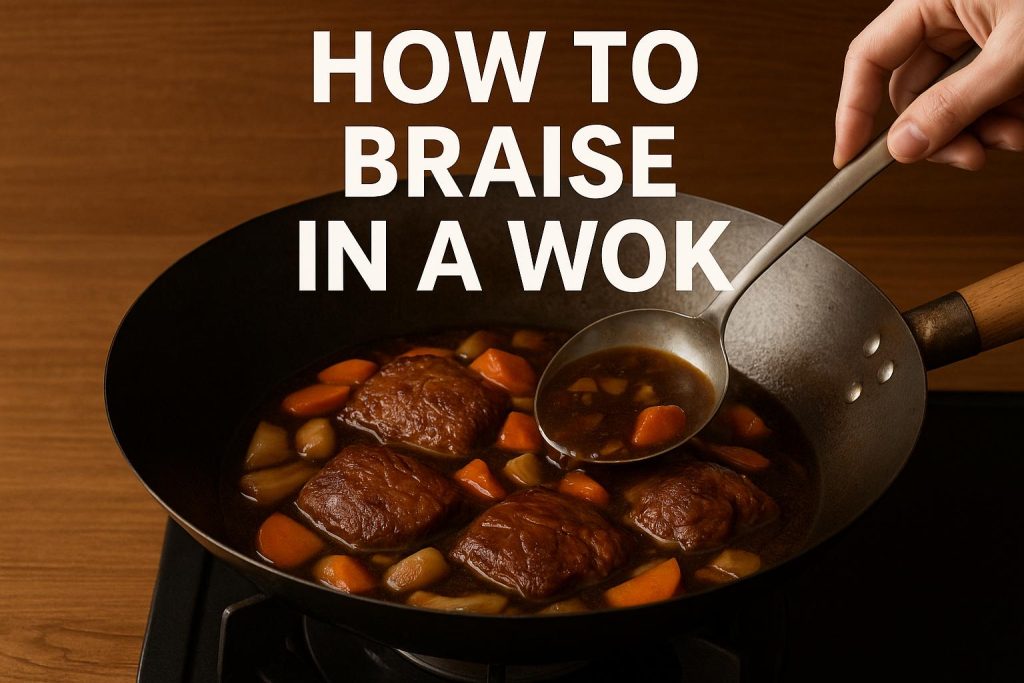
Commence the braising process by heating the wok over medium-high heat. Introduce a modest quantity of oil and allow it to attain an optimal temperature. Arrange the meat in the wok, ensuring it resides in a single layer. Permit the meat to sear undisturbed for several minutes to cultivate a flavorful crust. This phase is pivotal for developing depth in the dish. Subsequent to the formation of the crust, rotate the meat to brown all sides uniformly, then set it aside from the wok.
Building the Infusion Base
With the meat temporarily removed, engage the aromatics such as onions, garlic, and other flavor-enhancing agents in the wok. Sauté these ingredients until they emit a fragrant aroma and achieve a translucent appearance. This is the moment to introduce your solid-braising liquid component, whether it be stock, wine, or soy sauce, ensuring it harmonizes with the meat and vegetables. The base you concoct here will amalgamate and absorb flavors, entwining with the meat and vegetables during the subsequent braising.
The Braising Process
Return the meat to the wok and integrate additional vegetables to the equation. The braising liquid should envelop the ingredients approximately halfway to ensure even cooking. Oversee the heat reduction to a gentle simmer, covering the wok either with its lid or using foil in its stead. At this juncture, patience becomes a key ally, as the dish requires 1 to 3 hours of gentle cooking depending upon the choice of meat and desired level of tenderness.
Monitoring and Culminating the Dish
Throughout the braising period, it is prudent to intermittently monitor the liquid levels within the wok. A precautionary eye ensures that the liquid does not reduce excessively, preventing ingredients from burning. Once the meat has achieved a fork-tender texture, contemplate reducing the sauce to elevate the dish’s flavored intensity. By leaving the wok uncovered, you permit excess liquid to evaporate, concentrating the remaining flavors. Should you wish to intensify further, infuse fresh herbs and spices towards the end of cooking, complementing the dish’s existing flavor profile.
Conclusion
Braising within a wok seamlessly integrates the finest elements of both dry and wet cooking methodologies. The result is a tender, deeply flavored dish, custom tailored through the diversity of ingredients and liquids at the cook’s disposal. This technique not only expands the utilitarian scope of a wok beyond its customary uses but introduces a profound depth of flavor, enriching the culinary repertoire. To explore more such techniques, browse this culinary resource.
The Role of Woks in Street Food Culture
The wok is an indispensable tool in the world of street food, known for its versatility and ability to handle a wide range of cooking methods. Its unique design, a rounded bottom with a high edge, allows chefs to perform tasks such as stir-frying, deep-frying, steaming, poaching, and even smoking with remarkable efficiency.
Historical Context and Evolution
The wok’s origins can be traced back over two millennia to China, where it was initially used for drying grains. As culinary techniques evolved, the wok became a staple in Chinese cooking due to its ability to distribute heat evenly. Today, street vendors across Asia and beyond rely on this tool to deliver a variety of dishes, combining traditional practices with modern innovations. For those interested in more in-depth historical context, additional resources can be found at Culinary Historian Resource.
Functional Design and Features
The wok’s design is conducive to high-heat cooking, a requirement in many street food markets where quick service is essential. The deep, sloping sides of the wok allow for easy tossing and stirring without spilling, making it ideal for environments where space and resources are limited. Chefs can utilize the entire surface area when cooking multiple ingredients at once, ensuring even cooking.
Material and Construction
Woks are constructed from a variety of materials, each offering distinct advantages. Traditional woks are made of carbon steel or cast iron, known for their excellent heat retention and durability. Modern variations may include stainless steel or even non-stick coatings to cater to different preferences and culinary requirements. Factors like weight, handle type, and compatibility with modern cooking surfaces can influence a street vendor’s choice of wok.
Global Influence and Adaptation
While the wok is closely associated with Asian culinary traditions, its influence extends globally. Street food vendors from different cultural backgrounds have adopted the wok, incorporating it into diverse cuisines. Whether replicating authentic Asian dishes or innovating new recipes, the wok serves as a bridge between tradition and creativity.
In summary, the wok’s role in street food culture is defined by its versatility, efficiency, and ability to adapt across various culinary landscapes. It remains an essential tool, enabling chefs to deliver quick, flavorful dishes to eager customers worldwide.
Understanding the Wok’s Versatility
The concept of versatility in cooking is greatly embodied by the wok, an essential tool that functions across various culinary techniques. This section delves into the myriad of cooking methods facilitated by the wok, demonstrating its adaptability and efficiency in street food preparation.
Stir-Frying: The Classic Technique
Stir-frying is perhaps the technique most closely associated with the wok. The method requires cooking ingredients at a high temperature while constantly stirring, which the wok facilitates easily due to its unique shape. The sloping sides make it possible to toss ingredients briskly, ensuring they are evenly cooked. This method preserves the texture and color of vegetables while ensuring that meats are succulent and flavorful.
Deep-Frying: A Crisp Delight
In street food settings, deep-frying is another popular technique made easy with the wok. Its high, rounded walls allow for a significant amount of oil, making it possible to fry foods to a perfect crisp. Street vendors often use this method to prepare snacks like spring rolls, tempura, and even fried sweets. The heat retention properties of materials like cast iron and carbon steel also ensure consistent temperatures for even frying.
Steaming and Poaching: Gentle Cooking Techniques
Though not as commonly highlighted, the wok also serves as an excellent vessel for steaming and poaching. With the addition of a steaming rack, the wok transforms into a steamer capable of cooking dumplings and buns, maintaining their softness and flavor. Similarly, poaching can be done by adding water and allowing ingredients to simmer gently. This versatility is particularly beneficial in the street food scene, where resources may be limited but the demand for variety is not.
Smoking: Infusing Flavors
Using a wok for smoking might be a lesser-known technique, but it illustrates the tool’s versatility. By adding wood chips and a rack into the wok, street chefs can infuse smoky flavors into meats and vegetables, offering a unique dimension to traditional dishes. This method reflects the ingenuity of street vendors who maximize the use of their tools to elevate the flavor profiles of simple ingredients.
Influence of the Wok on Street Food Culture Worldwide
The use of the wok has transcended its original cultural boundaries and found a place in street food cultures around the globe. Its influence on food preparation techniques and culinary traditions from different countries highlights the wok’s significant impact on the global dining scene.
Adoption in Asian Street Markets
While China is undoubtedly the origin of the wok, countries like Thailand, Vietnam, and Malaysia have embraced and adapted its use in their street food markets. In Thailand, woks are central to the preparation of dishes like Pad Thai and fried rice, with street vendors skillfully employing the wok’s high-heat cooking capabilities to deliver these popular dishes quickly and efficiently.
European Adaptations
In Europe, the wok has been incorporated into the culinary traditions of countries like the United Kingdom and France as street food vendors explore Asian-inspired flavors. Known for their open markets and gastronomic diversity, these regions have embraced the wok in making fusion dishes that marry Asian elements with traditional Western ingredients.
American Streets: A Melting Pot of Cuisines
In the United States, the street food scene is diverse, with food trucks and stalls showcasing a myriad of global cuisines. The wok’s presence is felt strongly, with chefs utilizing its capabilities to create everything from stir-fried noodles to wok-seared tacos. This melting pot nation has allowed the wok’s innovative use across different cultural foods, reflecting America’s multicultural culinary landscape.
Traditional Meets Modern: Innovation in Wok Usage
As street food vendors continue to innovate, the wok remains a constant, bridging traditional cooking methods with contemporary culinary trends. Whether through the health-conscious adaptations of traditional recipes or the creative incorporation of new ingredients, the wok’s role in street food continues to evolve, shaping and being shaped by the dynamic world of street food culture.
In conclusion, whether it is employed for its traditional purposes or reimagined for modern use, the wok remains a pivotal tool in global street food culture. As it continues to be adapted and celebrated by chefs and vendors around the world, the wok’s influence on gastronomy is expected to persist, uniting various food cultures through its timeless design and functionality.