Introduction to Wok Cooking
Wok cooking is a fundamental aspect of Asian culinary practices, known for offering methods that are both dynamic and time-efficient. This style of cooking results in meals that are profoundly rich in flavor, giving the cuisine its legendary status. The efficiency and appeal of wok cooking are not only attributed to the high temperatures and distinctive curved design of the wok itself but also significantly depend on the deliberate use of spices and seasonings. These components are crucial in many dishes, as they can greatly enhance both the taste and aroma, creating an unforgettable culinary experience.
The Role of Spices in Wok Cooking
In wok cooking, spices play a pivotal role as they are pivotal in adding depth and complexity to a dish. When integrated correctly, spices can provide a perfect balance of flavors, offer varying levels of heat, and convey the authentic characteristics of traditional Asian cuisines. The method of incorporating spices is crucial to achieving the desired flavor profile. Some spices are best infused into the cooking oil right from the start, allowing their essential oils to perfuse the dish thoroughly. Others are best reserved until the final stages of cooking so that their freshness and aromatic qualities are preserved.
Essential Spices for Wok Cooking
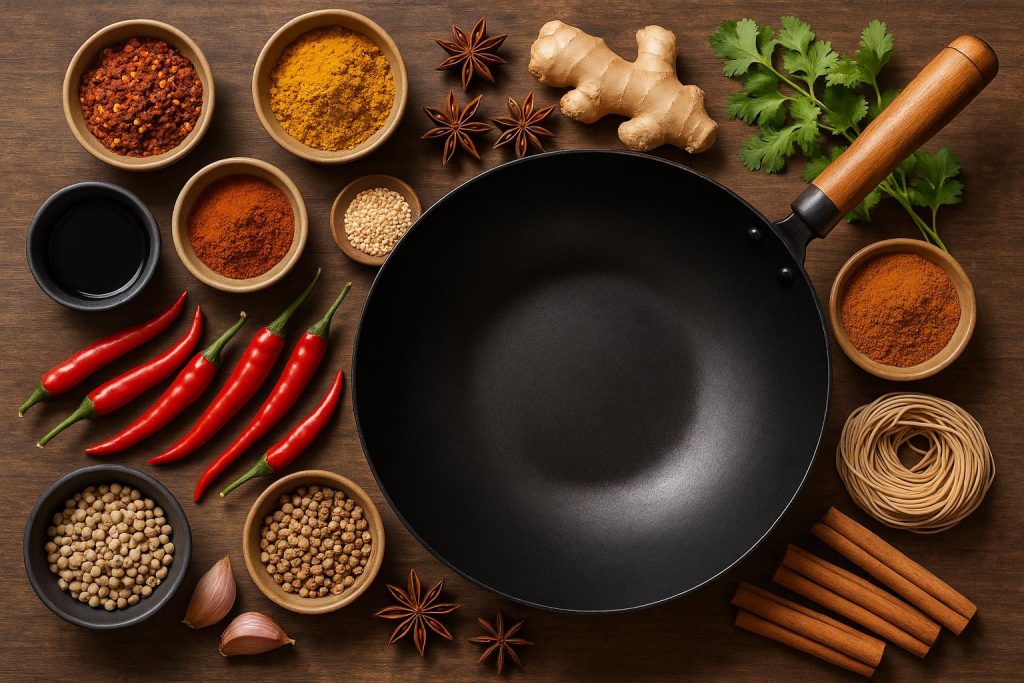
Several spices are considered essential in the arsenal of most wok recipes, each adding unique elements to the flavor profile of the dish:
Ginger: Fresh ginger is a staple in wok cooking, bringing a pungent and spicy undertone that harmonizes well with both meats and vegetables. Typically, ginger is either sliced or julienned and then stir-fried at the very beginning of the cooking process. This technique allows its fragrance and flavors to infuse the oil, setting a foundational layer of taste for the entire dish.
Garlic: Often used alongside ginger, garlic is integral to many wok-cooked dishes. It contributes a rich, savory base, enhancing the overall taste profile with its aromatic nature. Its versatility ensures that it can complement nearly any type of dish prepared in a wok.
Sichuan Peppercorns: These uniquely contribute to the sensory experience of wok dishes by offering a numbing and tingling sensation paired with a distinctive citrus-like flavor. Sichuan peppercorns are a hallmark of Sichuan cuisine, known for their ability to add an unexpected yet delightful twist.
Key Seasonings for Authentic Flavors
Seasonings are as crucial as spices in cultivating the rich and authentic flavors characteristic of wok cooking. They deliver a delightful balance of salty, sweet, and umami notes:
Soy Sauce: Available in both light and dark varieties, soy sauce is a cornerstone of Asian cooking. In wok preparations, light soy sauce is typically employed for seasoning due to its less intense flavor and color. In contrast, dark soy sauce is reserved for dishes that benefit from a deeper, richer hue and more complex taste.
Oyster Sauce: This thick, savory sauce is cherished for its profound umami flavor. It is a quintessential ingredient found in many stir-fries, where it provides a substantial depth and dimension to the meal.
Fish Sauce: Known for its intense umami profile, fish sauce is often used to elevate the flavors of dishes cooked in a wok, especially when paired with seafood or chicken. A little goes a long way, making it a powerful tool in flavor enhancement.
Additional Ingredients for Complexity
Beyond the staple spices and seasonings, there are additional ingredients that can introduce new layers of flavor complexity to your wok-cooked dishes:
Fermented Black Beans: With their strong, savory flavor, fermented black beans are an excellent pairing with garlic. They are typically used to enhance the flavor profile of meats and vegetables in wok dishes, providing an intriguing depth and earthiness.
Sesame Oil: Often used as a finishing oil, sesame oil imparts a nutty aroma when drizzled over a completed dish. Its distinct fragrance is a welcome addition to many wok dishes, adding a compelling dimension once cooking is complete.
Chili Paste: For those who relish the inclusion of heat in their meals, chili paste is an excellent addition, introducing a desired level of spiciness. The intensity of the heat can vary from mild to fiery, depending on the blend used, allowing for customization based on personal preference.
Conclusion
Acquiring proficiency in the use of these spices and seasonings can transform your wok cooking from simple culinary ventures to extraordinary gastronomic experiences. While understanding and mastering traditional applications is pivotal, it is equally rewarding to experiment with varying quantities and combinations. Such explorations can lead to delightful and often unexpected discoveries in your kitchen. For those seeking more in-depth techniques and recipes, a wealth of resources are available, including dedicated sites on culinary arts and global cuisines. These resources can offer valuable insights and broaden your understanding of the rich tapestry that is wok cooking.
Introduction
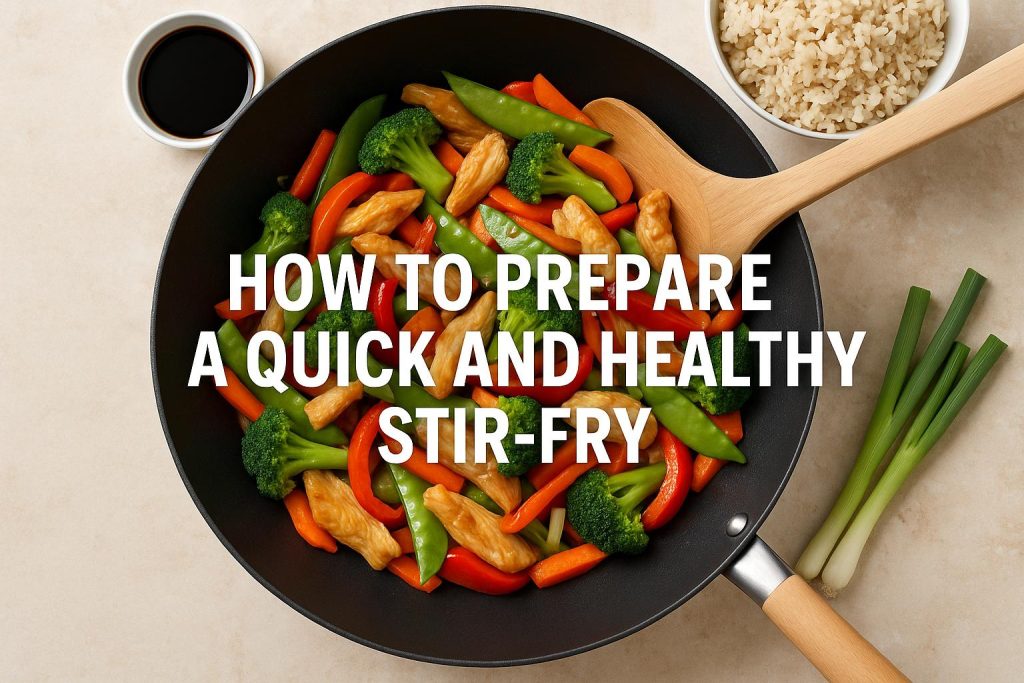
Stir-fry is a popular cooking technique that is celebrated for both its speed and health benefits. This method involves the rapid cooking of bite-sized pieces of food over high heat with a minimal amount of oil. The result is a dish that retains the vibrant flavor and nutritional value of its ingredients, making it an excellent choice for those aiming to achieve a balanced meal. In this article, we will delve into the details of how to prepare a quick and healthy stir-fry meal, exploring each step in the process from ingredient selection to cooking and serving.
Choosing Ingredients
The success of a stir-fry hinges on the selection and preparation of ingredients. It is crucial to select a diverse array of colorful vegetables alongside a reliable protein source to ensure the dish is both complete and nutritious.
Vegetables
When selecting vegetables for your stir-fry, it is best to opt for fresh, seasonal options whenever feasible. These are not only more flavorful but also retain a higher nutritional value. Common vegetable choices include:
Broccoli: Known for its myriad health benefits, broccoli adds a nice crunch and vivid green color to the dish.
Bell Peppers: Available in various colors such as red, yellow, and green, bell peppers provide sweetness and visually appealing colors to the stir-fry.
Carrots: A popular choice for their natural sweetness and high vitamin content.
Snap Peas: These add a sweet taste and crisp texture that complements other ingredients.
Mushrooms: Known for their umami flavor, mushrooms enrich the dish’s overall taste.
It is important to cut all vegetables into similar-sized pieces to promote even cooking throughout the dish.
Protein Sources
A critical component of a well-rounded stir-fry is the inclusion of a protein source. Protein can come from various options, including:
Chicken: A lean protein choice that pairs well with a variety of flavors.
Beef: Known for its richness, beef can add depth to your stir-fry.
Tofu: An excellent vegetarian alternative that absorbs flavors well.
Shrimp: A quick-cooking option that adds a different texture and satisfies seafood lovers.
To enhance the flavor, marinate your chosen protein source. A basic marinade might consist of soy sauce, garlic, and ginger, which complements the other ingredients and adds additional layers of taste.
Cooking Process
Preparation
Before embarking on the cooking process, ensure all ingredients have been washed, chopped, and appropriately prepared. Having everything ready in advance allows for a more streamlined and efficient cooking phase.
Cooking Steps
Heat the Wok or Pan: The wok is traditionally used for stir-frying as it evenly distributes heat. However, if unavailable, a large frying pan is also suitable. Begin by heating the wok or pan over high heat.
Add Oil: Introduce a small quantity of oil into the pan. Oils such as vegetable, canola, or sesame are ideal as they have high smoke points suited for stir-frying.
Cook Protein: Once the oil is heated, add the marinated protein to the pan. Stir the protein continuously until it is fully cooked through. Once complete, remove it from the pan and set it aside.
Cook Vegetables: Begin by adding vegetables to the pan, starting with those that take longer to cook, such as carrots. Stir regularly to ensure the vegetables are cooked evenly and remain slightly tender while still crisp.
Combine Ingredients: Return the cooked protein to the pan, combining it with the vegetables. Add any desired sauces or seasonings at this stage. Popular choices include soy sauce, oyster sauce, or teriyaki sauce. Continue to stir-fry the mixture for a few more minutes, allowing the flavors to meld together.
Serving Suggestions
Once cooking is complete, serve the stir-fry immediately while it is hot to ensure that the vibrant flavors are intact. Stir-fry pairs well with a variety of side dishes such as steamed rice, fluffy quinoa, or even noodles. This combination provides a complete and satisfying meal that is both nutritious and filling.
Additional Tips
When preparing a stir-fry, it is essential to keep the heat high. High heat ensures that the cooking process is rapid and prevents the ingredients from becoming soggy. Additionally, avoid overcrowding the pan. Overcrowding can lead to uneven cooking and loss of texture in the ingredients. Finally, continuously stir the ingredients to prevent them from sticking to the pan and to allow even exposure to heat.
For more healthy cooking techniques and to expand your culinary repertoire, you can explore additional resources and recipes from reputable sites such as Cooking Light or Bon Appétit.
By following these straightforward steps, you can create a nutritious stir-fry that is both quick and delicious. Suitable for any meal of the day, stir-fry is an adaptable and gratifying dish that meets both time constraints and health-consciousness criteria.
Introduction
Dumplings are a culinary delight enjoyed worldwide with various fillings and cooking methods. While steaming or boiling are popular techniques, cooking dumplings in a wok offers a unique texture and flavor. This guide will detail how to cook dumplings using a wok, focusing on achieving the perfect balance of crispy bottoms and tender tops. Each step is essential to ensure the dumplings are both aesthetically appealing and deliciously satisfying to the taste buds.
Choosing the Right Dumplings
Before you start cooking, ensure you have selected appropriate dumplings. Dumplings come in a variety of fillings such as pork, chicken, vegetables, or seafood. The choice of filling largely depends on personal preference and dietary restrictions. Opting for fresh or properly frozen dumplings is crucial to achieve the best results, as they have better texture and flavor compared to those that might be improperly stored or past their prime.
If you prefer to make them from scratch, ensure that your dough and filling are well-prepared. The dough should be smooth and elastic, with just the right thickness to hold the filling without falling apart during cooking. Pay attention to the seasoning of the filling to make sure it complements the dough and enhances the overall taste.
Preparing the Wok
A wok is an excellent tool for dumpling preparation due to its shape and heat distribution. Follow these steps to prepare your wok:
Heating the Wok: Begin by placing your wok on medium to high heat. Allow it to heat up thoroughly before adding any oil, which helps to prevent sticking. A properly heated wok will create a lovely sear on the dumplings and lock in flavors.
Adding Oil: Use a small amount of cooking oil with a high smoke point, such as vegetable oil or canola oil. Swirl the oil around to coat the entire surface. This forms a nonstick barrier, ensuring that your dumplings do not adhere to the wok, making flipping or removing them a straightforward task.
Cooking the Dumplings
Once the wok is ready, it’s time to start cooking the dumplings. This process involves several steps, each of which contributes to the final taste and texture:
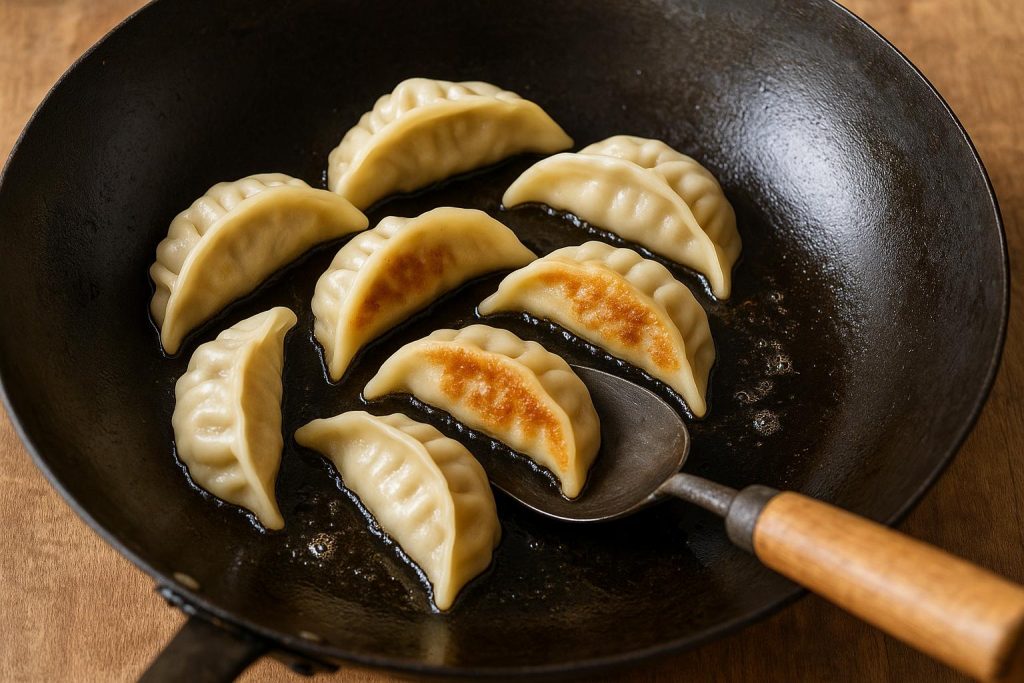
Arranging the Dumplings: Place the dumplings in the wok in a single layer, flat side down, making sure they are not touching. This allows each dumpling to crisp evenly without steaming from over-crowding. Crowding leads to inconsistent cooking, with some parts being soggy while others are overly dry.
Frying: Let the dumplings fry for 2-3 minutes until the bottoms are golden brown. Avoid moving them during this process to ensure a crisp finish. The unattended cooking ensures even browning and creates a delightful contrast to the softer top part of the dumplings.
Adding Water: Once the bottoms are crisp, add approximately 1/4 cup of water. Be cautious as the hot wok may cause the water to spatter. Immediately cover the wok with a lid. This step introduces steam, which is integral for cooking the filling thoroughly, especially if your dumplings are on the larger side or have a thick dough encasing.
Steaming: Allow the dumplings to steam under the lid for about 5-7 minutes. This step cooks the filling thoroughly while keeping the tops soft. The steam penetrates the dough, ensuring that even the rawest ingredients are cooked to perfection, and preserves the delicate flavors inside.
Evaporating Water: Once the water has mostly evaporated, remove the lid. Let the dumplings continue to fry for another minute to recrisp the bottoms. This step reintroduces the texture that might have softened due to the steaming process, providing that desirable contrasting mouthfeel.
Serving Suggestions
Serve the dumplings immediately while they are hot to maintain the perfect contrast of textures. You can complement them with dipping sauces such as soy sauce, vinegar, or chili oil. Offering a variety of dipping sauces can cater to a broad range of palates and enhance the dining experience.
For more about different dipping sauces, visit this dipping sauce guide.
Conclusion
Cooking dumplings in a wok offers a delightful balance of crispy and tender textures, enhancing the overall taste experience. By following these steps, you can master cooking dumplings with the wok method, providing a delicious dish for any occasion. It combines both culinary tradition and the versatility of the wok, making it not just a recipe but a skill that can be perfected. Whether you’re preparing a quick family dinner or hosting a gathering, wok-cooked dumplings are sure to impress and satisfy. As you become more comfortable with the technique, experimenting with different fillings and dipping sauces can further elevate this classic dish, making it an adaptable component of your culinary repertoire.
The Introduction of the Wok in Indian Kitchens
The wok, a versatile cooking vessel with its origins in China, has gradually made its way into numerous global culinary traditions, with Indian cuisine being one such domain where it has carved a niche for itself. Recognized for its distinctive shape and efficient heat distribution, the wok introduces a new dimension of culinary possibilities for both Indian home cooks and professional chefs. This article explores the integration of the wok into Indian cooking practices, the functions it serves, and the adaptability it demands in Indian culinary settings.
Characteristics of Woks
Traditionally constructed from carbon steel, woks are recognized by their expansive, bowl-like shape accompanied by sloped sides. These unique characteristics foster even heat distribution, a critical factor in achieving rapid stir-frying, which is vital in numerous culinary contexts. The round-bottomed design facilitates easy tossing of ingredients, ensuring an even cook and is particularly essential in cuisines that emphasize quick frying techniques. However, for modern and particularly Western use, flat-bottomed woks have become increasingly common as they are more compatible with Western-style stovetops. This compatibility makes them versatile and practical, allowing cooks to incorporate a broader range of cooking techniques seamlessly.
The Uses of Wok in Indian Cooking
Although woks are a staple in East Asian kitchens, their utility is being increasingly recognized in Indian cooking due to their inherent adaptability. The wok’s design aligns well with a variety of Indian cooking techniques such as sautéing, shallow frying, and to a significant extent, deep frying. Below we delve into several ways woks can enhance Indian cuisine:
Stir-Frying: In Indian cuisine, stir-fried dishes are referred to as bhajis or sabzis. These dishes derive substantial benefit from the high heat and minimal oil utility that woks provide. This approach not only preserves the nutritional integrity of vegetables but also results in a texture that is simultaneously tender and crisp.
Dry Roasting Spices: A quintessential element of Indian cooking involves roasting spices to release their essential oils and amplify the flavor profile of the dish. The expansive surface area of a wok serves ideally for this purpose, allowing spices to roast uniformly, thereby enhancing the overall taste and aroma of the meal.
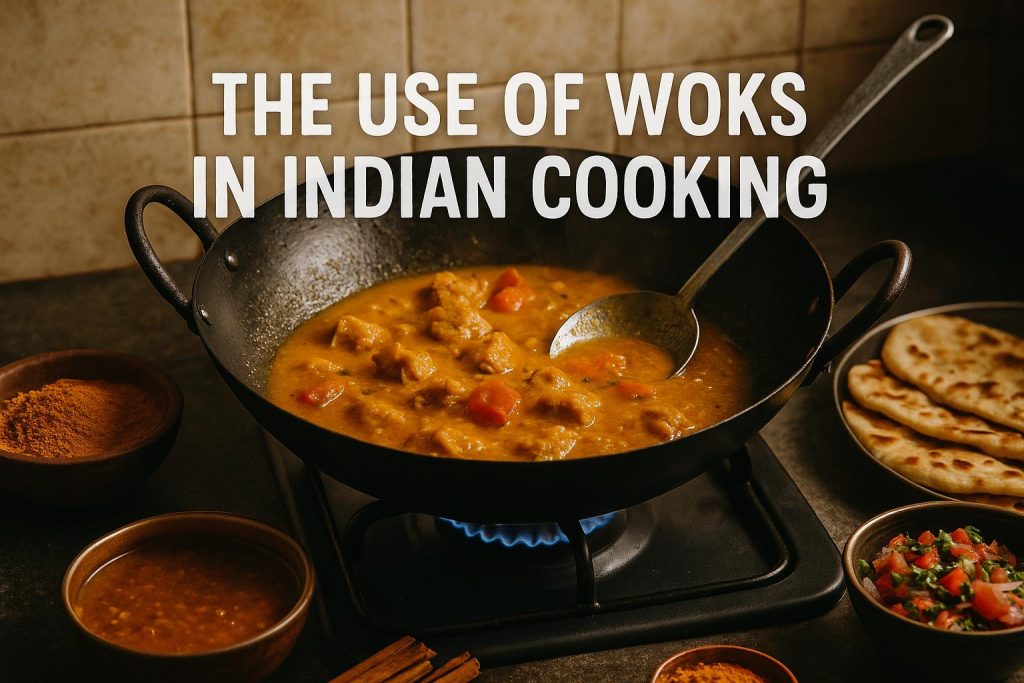
Cooking Curries: Indian cuisine is renowned for its rich and diverse array of curries. The wok’s substantial depth makes it an excellent vessel for curry preparation. The design allows ingredients to cook evenly within the curry, fully enhancing the intricate depth of spice profiles essential to Indian curries.
Adapting Wok Cooking to Indian Kitchens
Incorporating a wok into Indian cooking practices does present certain challenges, primarily stemming from the diversity in home stovetops found in India. Many Indian households opt for flat-bottomed woks to counterbalance the imbalance seen with conventional burners. Electric stoves become more accommodating when woks with induction-compatible bases are utilized. This adaptation ensures that the cooking process remains smooth and effective, regardless of the type of stovetop available.
Conclusion
While the wok is not a traditional component of Indian kitchens, its versatility proves it to be a valuable asset. Through its incorporation, Indian cooking can complement techniques such as stir-frying and sautéing, enriching both flavor and texture. This blend of culinary tools allows Indian cuisine to continue evolving, embracing innovative cooking methods while steadfastly preserving its traditional taste profiles.
As Indian kitchens move forward, consistently integrating new and effective culinary tools becomes a norm. Tools like the wok serve to exemplify how adaptation and versatility, alongside maintaining traditional methods, shape an evolving culinary landscape. For further insights into specialized Indian kitchen tools, numerous resources provide valuable information. Maintaining cookware through regular care is also critical in maximizing its lifespan and operational efficiency.
This thoughtful balance between innovation and tradition promises to keep Indian cooking both vibrant and deeply rooted in its rich, historical heritage.