Introduction to Wok Cooking
The wok is a staple in many Asian kitchens, known for its versatility and efficiency in creating a wide array of dishes. This uniquely shaped cooking tool, characterized by its deep, rounded bottom, is designed to support a number of cooking techniques, including stir-frying, steaming, deep-frying, and more. Its design allows for even heat distribution, which makes it possible to cook food quickly at high temperatures, preserving flavors and textures. For culinary enthusiasts and home chefs eager to master the art of wok cooking, selecting the right cookbook is crucial. Here, we explore some of the most notable wok cookbooks, each providing a wealth of knowledge through detailed recipes and comprehensive technique explanations.
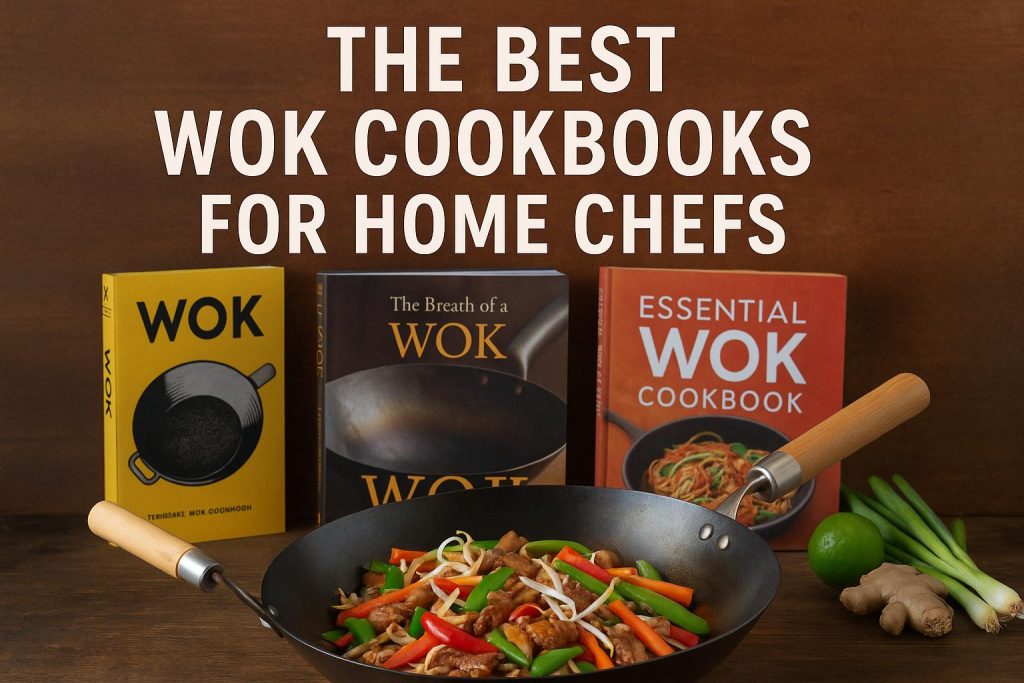
Exploring “The Breath of a Wok” by Grace Young and Alan Richardson
“The Breath of a Wok” stands out as an essential read for anyone serious about understanding wok cooking, both in its cultural and practical dimensions. The authors, Grace Young and Alan Richardson, delve into the history and cultural significance of the wok, offering an enriched context for its use. This cookbook is more than just a collection of recipes; it’s an educational experience. Grace Young, an expert in Chinese cuisine, collaborates with celebrated chefs to present a book that is deeply rooted in tradition. The recipes included are authentic, capturing the essence of various regional Chinese cuisines. Readers can expect to learn about seasoning their woks for optimal flavor and nonstick capability—a crucial step in developing the patina that makes woks unique.
The book also explains the “wok hei” or “breath of the wok,” an elusive quality that brings out the distinct flavors imparted by high-heat stir-frying. Through “The Breath of a Wok,” readers gain access to time-tested techniques and culinary wisdom from China, as articulated by expert chefs. For those wishing to explore further, Grace Young’s website provides additional resources and insights into the book.
Diving into “Stir-Frying to the Sky’s Edge” by Grace Young
In “Stir-Frying to the Sky’s Edge,” Grace Young narrows her focus to the art and precision of stir-frying. Known as one of the quickest cooking methods, stir-frying involves rapidly cooking ingredients in a small amount of oil at high temperatures. This book caters to both novices and seasoned cooks, elucidating the nuances of stir-frying to achieve perfect results every time. Whether you’re a beginner learning the basics or an advanced cook refining your skills, Young provides clear instructions and tips to enhance your technique.
What sets this cookbook apart is its attention to detail and emphasis on the cultural journeys associated with this cooking style. Young’s deep dive into the global impact of Chinese emigrants introduces readers to an array of recipes influenced by diverse cultures but grounded in traditional stir-frying techniques. Each recipe is accompanied by a backdrop story, adding depth and context to the preparation methods. Aspiring chefs interested in exploring this book further can access more information through Grace Young’s website.
Analyzing “The Wok: Recipes and Techniques” by J. Kenji López-Alt
J. Kenji López-Alt, a prominent name in food science and culinary experimentation, authors “The Wok: Recipes and Techniques,” a book that offers a scientific perspective on wok cooking. López-Alt approaches each recipe with a meticulous breakdown of the techniques involved, rooted in a scientific understanding of food preparation. This approach helps readers comprehend not just the how, but the why behind successful wok cooking.
With a focus on versatility, López-Alt emphasizes that the wok is more than just a tool for traditional Asian recipes. He demonstrates its potential in an array of culinary applications, encouraging experimentation beyond conventional dishes. The balance between scientific insight and culinary creativity makes this book a valuable resource for those keen on discovering the myriad possibilities a wok presents in the kitchen.
Understanding Wok Techniques
While each of the aforementioned cookbooks is rich in recipes, they also dedicate substantial attention to essential wok techniques. Mastering these techniques is key to unlocking the full potential of a wok. These cookbooks discuss the importance of heat management, a critical factor when cooking with a wok. Achieving the right temperature can enhance flavors and help achieve the desired texture without overcooking or burning the food.
Additionally, the cookbooks provide guidance on proper ingredient preparation, sequence timing, and the distinct advantages of various cooking oils. Understanding these subtleties can significantly impact the outcome of a dish, enhancing both flavor and presentation.
Exploring Recipe Variety
Each cookbook offers a diverse range of recipes, from traditional Asian delicacies to fusion cuisine that blends multiple culinary styles. This diversity enables chefs at any level to expand their culinary skills and explore new flavors, all while leveraging the unique properties of a wok. The opportunity to experiment and personalize dishes is a central theme running through these works, providing a creative outlet for home cooks.
Conclusion
Investing in a comprehensive wok cookbook is an invaluable step for anyone passionate about improving their cooking skills. Whether you’re seeking to acquire foundational techniques or aiming to refine your existing skills, the cookbooks by Grace Young and J. Kenji López-Alt provide a wealth of information and inspiration. By embracing the teachings of these culinary experts, home chefs can transform their cooking experience, making their time in the kitchen both more efficient and enjoyable. With dedication and practice, the wok can become an indispensable part of your culinary journey, opening the door to an exciting world of flavors and cooking possibilities.
Introduction
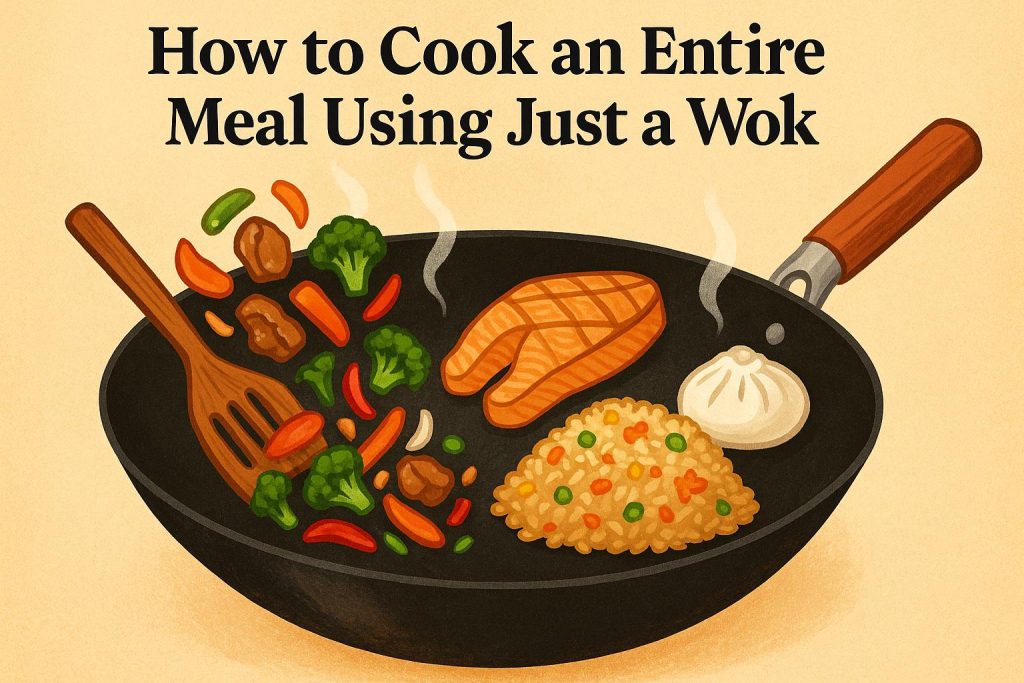
Cooking an entire meal using just a wok is not only an efficient endeavor but also one that offers great versatility in the realm of culinary arts. The wok, a staple piece of equipment in Asian cooking, is renowned for its adaptability. With a single wok, you can stir-fry, steam, simmer, deep-fry, and even smoke food, showcasing its multifunctional usage in the kitchen. This article seeks to guide you through the process of preparing a complete meal with a wok, focusing on practical steps, essential tips, and techniques to ensure culinary success.
Choosing the Right Wok
The first step towards mastering wok cooking begins with selecting the appropriate wok. The choice of wok will greatly influence the resultant cooking experience and outcome. A carbon steel wok is widely recommended due to being durable yet lightweight, allowing for excellent heat distribution—essential for achieving the high temperatures required in wok cooking. It is important to select a wok with a flat bottom, especially if you plan to cook on modern stovetops, as this ensures stability and even heating. Moreover, a well-seasoned wok is critical. Seasoning not only prevents food from sticking but also enriches the flavors through the development of a natural patina over time.
Essential Ingredients
To create a balanced and complete meal in a wok, you will need to gather some basic yet versatile ingredients that can be used across a range of cooking techniques.
Protein: The selection of protein is flexible, allowing you to choose from chicken, beef, tofu, or shrimp based on preferences and dietary needs.
Vegetables: A colorful mix of vegetables, including leafy greens, bell peppers, and broccoli, will introduce a variety of flavors and textures.
Aromatics: Aromatics such as garlic, onion, and ginger are essential for laying the foundational taste profile in wok dishes.
Sauces: Common sauces such as soy sauce, oyster sauce, or fish sauce should be on hand for flavor enhancement during cooking.
Preparation of Ingredients
Proper preparation of ingredients is crucial for seamless cooking in a wok, given the fast-paced nature of stir-frying and other techniques involved. Begin by peeling and chopping vegetables and aromatics uniformly to ensure even cooking. Proteins should be marinated with a blend of soy sauce, garlic, and a dash of sesame oil for a minimum of 15 minutes to infuse flavor deeply. To streamline the cooking process and maintain order, organize your ingredients in separate bowls. This preparation aligns with the culinary principle of mise en place, ensuring all components are within reach and ready for action.
Cooking Sequence
When engaging with wok cooking, the sequence in which you introduce ingredients is pivotal to the success of the dish. Here is a recommended sequence to follow:
1. Cook the Protein: Initiate the cooking process by heating a small amount of oil in the wok. Stir-fry the marinated protein until it is thoroughly browned and cooked through. Once done, carefully remove it from the wok and set it aside.
2. Stir-fry Vegetables: Introduce a bit more oil to the wok, if required. Start with the tougher vegetables, such as broccoli and carrots, to ensure they maintain a crunchy texture, in contrast to softer options. Follow this by adding quicker-cooking vegetables like bell peppers and leafy greens.
3. Combine Ingredients: Return the previously cooked protein back into the wok. Add the chosen sauces along with a small amount of broth or water. This step aids in creating a steaming effect that melds all the flavors together, resulting in a harmonious dish.
Final Tips
Applying the following tips will bolster your wok cooking experience, ensuring it is both efficient and rewarding:
– Work Quickly: Given the high temperature at which a wok operates, it is crucial to work quickly, maintaining constant attention and quick stirring to prevent any chance of burning.
– Use the Right Tools: Opting for a long-handled spatula or a wooden spoon will facilitate efficient tossing and stirring, enhancing your ability to manage the food deftly within the wok.
– Mise en Place: Adopting the practice of mise en place by having all ingredients prepared and within reach will help to maintain the cooking momentum and avoid unnecessary delays.
Cooking a complete meal using just a wok not only maximizes the complexity and depth of flavors but also offers a swift, efficient, and adaptable method of cooking. The culinary philosophy underlying wok cooking emphasizes minimalistic ingredients prepared in a manner that highlights their natural flavors, contributing to a wholesome meal. For additional exploration of recipes and techniques involving the wok, consider reaching out to reputable cooking websites and blogs that delve into this dynamic form of cooking.
Introduction
Cooking crispy vegetables in a wok is a culinary technique that celebrates the intrinsic flavors and textures of fresh produce. This high-heat cooking method is revered for its ability to maintain the rich nutrients and vibrant colors of vegetables while offering a delightful crunch. In this comprehensive guide, we will delve into the step-by-step process of achieving perfectly crispy vegetables using a wok, providing insights into vegetable selection, preparation, and cooking techniques.
Choosing the Right Vegetables
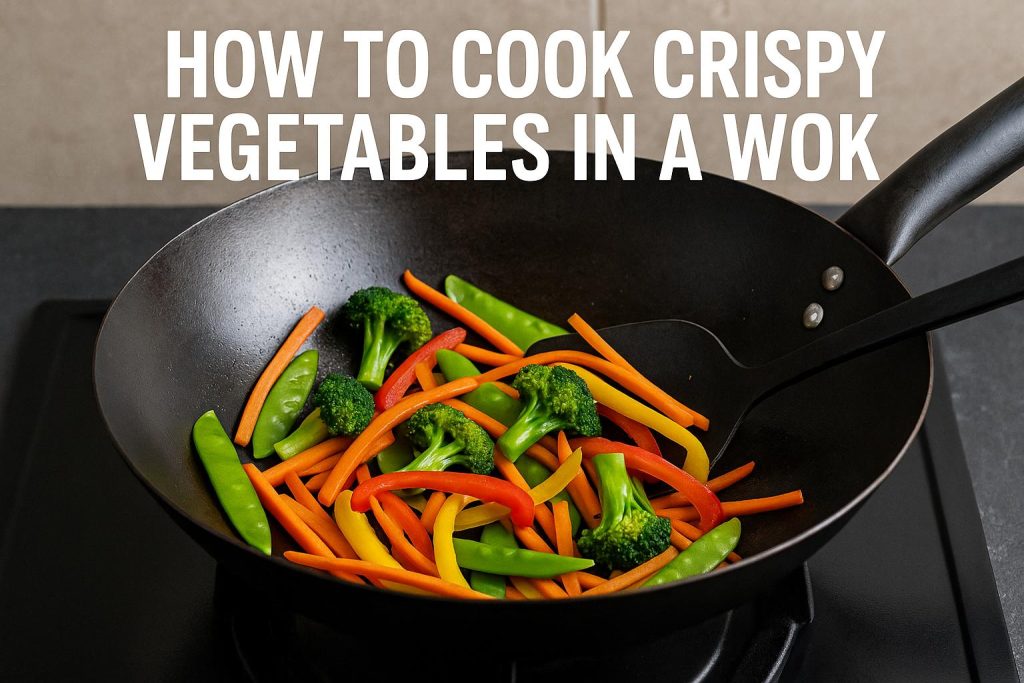
Achieving the desired crispy texture begins with selecting the appropriate vegetables. Not all vegetables respond well to the quick, high-heat style of wok cooking, so it’s essential to choose those with a naturally firm and crunchy structure. Among the top picks for this method are:
- Bell peppers: Their natural sweetness and firm texture make them an ideal candidate.
- Broccoli: The florets become crispy on the edges while retaining a tender interior.
- Carrots: Known for their sturdy structure, they add a vibrant color and crunch.
- Snap peas: These add a crisp, fresh bite to any dish.
- Asparagus: With its slight resistance to the bite, asparagus is another excellent choice.
Preparation Steps
Before starting the cooking process, preparation is key. Properly washing and cutting the vegetables, along with preparing the wok, lays the foundation for a successful cooking experience.
1. Washing and Cutting
Commence by meticulously washing your selected vegetables to eliminate any lingering dirt or pesticides. Once clean, cut them into uniformly sized pieces. This consistency ensures even cooking, preventing some pieces from overcooking while others remain underdone. For rigorous consistency, slice bell peppers into thin strips, break broccoli into small florets, and employ the julienne technique for carrots.
2. Preparing the Wok
Preheating the wok is a critical step that cannot be overlooked. The wok must be heated on high heat before adding any oil or vegetables. This initial step ensures that the vegetables cook quickly and develop that desired crisp texture. Oils with a high smoke point, such as canola or peanut oil, are ideal for this cooking technique. These oils can withstand the high temperatures needed to achieve a markedly crispy texture without breaking down.
Cooking Technique
The actual cooking process involves several stages designed to optimize flavor and texture. Follow these procedures meticulously to transform raw vegetables into a crispy culinary delight.
1. Heating the Oil
Ensure the wok is adequately hot before introducing the oil. Adding about one to two tablespoons of oil, swirl it around to coat the wok evenly. The key indicator that the oil is ready is when it shimmers softly without emitting smoke. This stage is crucial for preparing the wok’s surface for the vegetables.
2. Cooking the Vegetables
Begin by adding vegetables that have a longer cooking time such as carrots and broccoli. These robust vegetables require a few extra moments to soften slightly while still retaining their structure. Stir them consistently, allowing each piece to have contact with the hot wok surface. Following a brief interval, typically a minute, introduce quick-cooking vegetables like bell peppers and snap peas. Maintain constant stirring for approximately three to five minutes, which not only achieves the desired level of crispness but also prevents any vegetables from sticking to the wok.
3. Seasoning
The final phase of cooking involves seasoning the vegetables. Add bold flavors such as soy sauce, garlic, ginger, or other preferred seasonings. Incorporating these flavors towards the end of the cooking process prevents them from burning, thus preserving their vibrant taste. This strategic timing also allows the vegetables to absorb the seasonings fully, enhancing their natural flavors without overwhelming them.
Conclusion
Through the art of cooking crispy vegetables in a wok, you can enhance their flavor profile and texture while maintaining nutritional value. By selecting the appropriate vegetables, properly preparing them, and employing precise cooking techniques, you can consistently produce deliciously crispy vegetables that brighten any meal. For those seeking to expand their culinary repertoire, exploring culinary websites or blogs that focus on Asian cooking techniques may offer further insights and inspiration.
Ultimately, mastering this skill requires practice and a degree of personalization, as each cook develops unique approaches to achieving the perfect crispness. Embrace experimentation and refining techniques to suit your preferences, knowing that the joy of cooking lies in the journey of discovery and the satisfaction of a well-executed dish.
Introduction
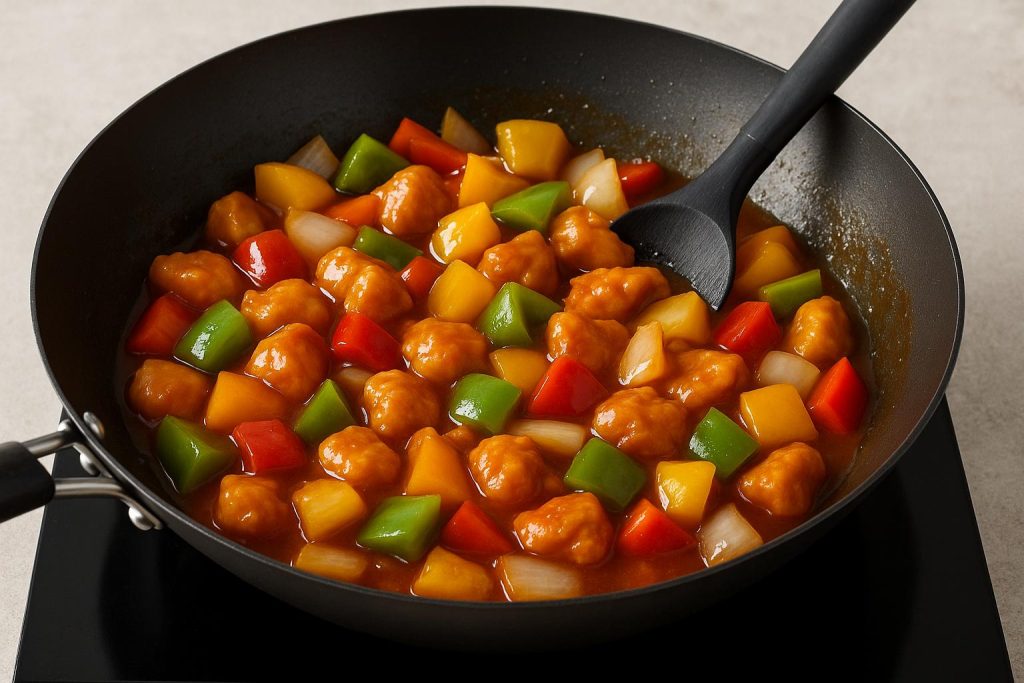
Sweet and sour chicken is an enduring favorite in many households and is especially favored in Asian cuisine. Cooking this dish in a wok allows for even heat distribution and quick cooking, which helps maintain the crispness of the chicken while creating a delightful sauce. Below, you will find a straightforward method for making sweet and sour chicken in a wok.
Ingredients
To prepare sweet and sour chicken, you will need the following ingredients:
Chicken and Marinade:
- 500 grams of boneless chicken breast, cut into 1-inch pieces
- 1 tablespoon of soy sauce
- 1 tablespoon of cornstarch
- Salt and pepper to taste
Sauce:
- 3 tablespoons of ketchup
- 2 tablespoons of apple cider vinegar
- 2 tablespoons of sugar
- 1 tablespoon of soy sauce
- 1/2 cup of pineapple juice
- 1 tablespoon of cornstarch mixed with 2 tablespoons of water
Stir-fry:
- 2 tablespoons of vegetable oil
- 1 red bell pepper, cut into chunks
- 1 green bell pepper, cut into chunks
- 1 medium onion, cut into chunks
- 1 cup of pineapple chunks
Preparation
Marinating the Chicken
Step 1: In a bowl, combine the soy sauce, cornstarch, salt, and pepper. Add the chicken pieces and mix until the chicken is well-coated. Allow the chicken to marinate for at least 15 minutes. This step helps in tenderizing the chicken and enhancing its flavor.
Preparing the Sauce
Step 2: In a separate bowl, mix together the ketchup, apple cider vinegar, sugar, soy sauce, and pineapple juice. In a small cup, prepare a slurry by mixing cornstarch with water. This will help in thickening the sauce later.
Cooking
Stir-frying the Chicken
Step 3: Heat the vegetable oil in a wok over medium-high heat. Once the oil is hot, add the marinated chicken pieces. Stir-fry the chicken until it is golden brown on the outside and fully cooked on the inside, approximately 5-7 minutes. Once cooked, remove the chicken from the wok and set it aside.
Cooking the Vegetables
Step 4: In the same wok, add a little more oil if necessary. Add the red and green bell peppers, onion chunks, and pineapple chunks. Stir-fry the vegetables for about 3-4 minutes until they are tender yet crunchy.
Combining Ingredients
Step 5: Return the cooked chicken to the wok, then pour in the prepared sauce. Stir everything well to combine. Bring the mixture to a gentle simmer.
Step 6: Gradually add the cornstarch slurry to the wok, stirring continuously. The sauce will begin to thicken. Once it reaches the desired consistency, remove the dish from the heat.
Serving
Sweet and sour chicken is best served hot, traditionally alongside steamed rice. For added garnish, consider sprinkling some chopped green onions or toasted sesame seeds on top. Enjoy this dish on its own or explore other complimentary side dishes for a fuller meal experience.
Understanding the Flavors of Sweet and Sour Chicken
The sweet and sour combination is a central theme in many Asian dishes and has been embraced by diverse cultures around the world. The sweet notes come from sugar and pineapple juice, while the sourness is introduced with apple cider vinegar. This classic pairing dates back centuries in various culinary traditions, with origins in Chinese cuisine. Sweet and sour sauce often balances sweetness with piquancy from vinegar or citrus, resulting in a versatile and inviting taste profile that appeals broadly across palates.
Customizing Your Dish
Even though the base recipe of sweet and sour chicken is quite adaptable, personal preferences can easily be adapted to fit the taste desires or dietary needs of your family. Here are a few simple adjustments that can be made to this recipe:
– You can try replacing the chicken with pork or tofu for a different protein base that will adjust the flavor profile ever so slightly.
– For a tangier experience, increase the amount of vinegar or reduce the sugar.
– Experiment with optional additions like broccoli, snap peas, or carrots to alter the texture while maintaining the integrity of the traditional dish.
Cooking Techniques
The wok, a quintessential tool in Asian cooking, offers high-temperature cooking with relatively little oil, which makes it an ideal vessel for creating dishes like sweet and sour chicken. Investing in a quality wok and learning its use enhances cooking efficiency and the textural quality of food. Understanding the nuances of heat control and timing is vital when using a wok, and these skills translate well into a myriad of preparations in the kitchen beyond this recipe.
Health Considerations
While sweet and sour chicken is delicious, attention to nutritional aspects is important for those watching their diet. Homemade versions allow control over the quantity of sugar and oil used in recipes. Opt for lower-sodium soy sauce options or substitute salt with herbs and spices to maintain flavor while managing dietary requirements. Fresh vegetables add vitamins and fiber, making the dish both nourishing and enjoyable.
Conclusion
Sweet and sour chicken is more than just an appealing dish; it is reflective of the complexity and harmony found in Asian cuisine, with its robust combination of sweet and tangy flavors. Preparing this meal offers not only a delightful eating experience but also an exercise in understanding cultural fusion and culinary adaptability. By following the outlined process and customizing based on personal preferences, anyone can create a meal that looks and tastes exceptional. With practice and curiosity, the art of making sweet and sour chicken further enhances culinary enjoyment, and the potential for creating delectable dishes at home becomes limitless. For more culinary tips and recipes, visit our website.