Introduction to Kung Pao Chicken
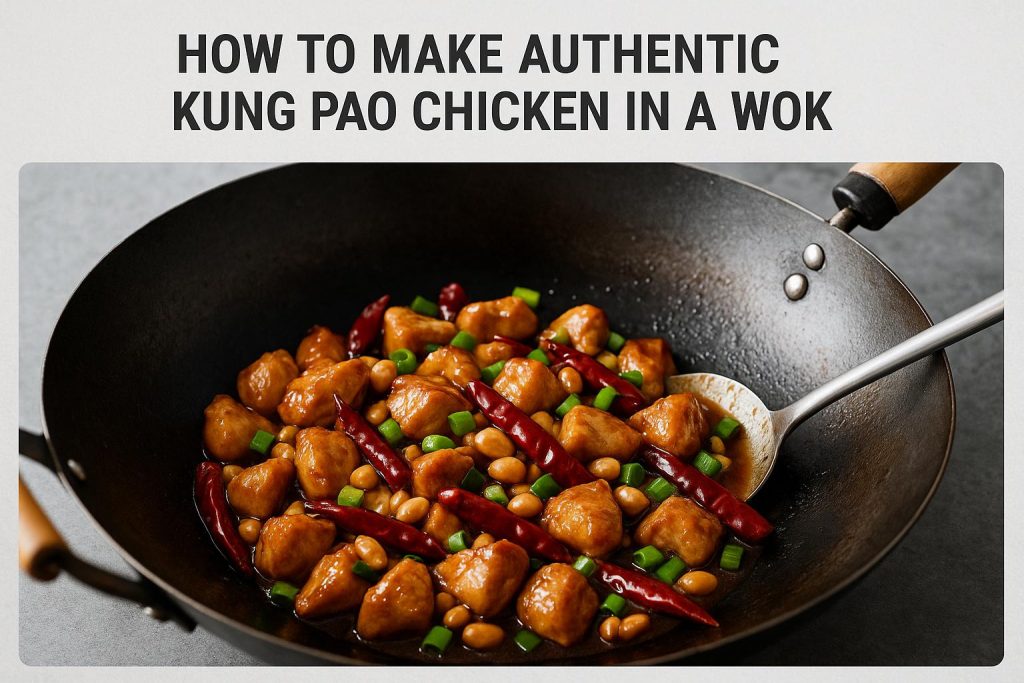
Kung Pao Chicken is a quintessential dish in Chinese cuisine, celebrated for its compelling combination of flavors and textures. This dish brilliantly marries the contrasting elements of spicy, sweet, and savory, providing a culinary experience that is as exciting to the palate as it is to the senses. Originating from the Sichuan province of China, Kung Pao Chicken has gained international fame and recognition, primarily because of its unique use of Sichuan peppercorns and dried red chilies, which impart the dish’s characteristic heat and subtle numbing effect.
Essential Ingredients
Creating an authentic Kung Pao Chicken experience requires a well-selected list of ingredients that not only complement each other but are also vital to achieving the dish’s signature taste and texture.
Chicken: At the heart of the dish is the chicken, which forms the base around which the other flavors revolve. Opt for boneless, skinless chicken breast or thighs, cut into bite-sized cubes for consistency and ease of eating. Each cut should be uniform to ensure even cooking.
Marinade: The marinade plays a critical role in tenderizing the chicken, imparting flavor, and achieving the desired velvety texture. A combination of soy sauce, Shaoxing wine (a Chinese cooking wine, which can be substituted with dry sherry), and cornstarch is used to soak the chicken, enhancing its flavor and keeping it moist during cooking.
Sauce: The sauce is the core flavoring component, consisting of soy sauce, black vinegar, sugar, and sesame oil. This mixture not only adds a depth of flavor but also balances the dish by complementing the spiciness with sweetness and adding a hint of acidity.
Aromatics and Vegetables: Garlic, ginger, spring onions, and bell peppers are essential to add layers of flavor and color. These elements contribute to the dish’s aromatic quality and create a visual appeal that enhances the overall dining experience.
Nuts: Nuts provide a crunchy texture that contrasts with the tender chicken and soft vegetables. Traditionally, roasted peanuts are used, though cashews serve as a viable alternative for those with peanut allergies or for a mild sweetness.
Spices: Sichuan peppercorns and dried red chilies are indispensable, delivering the signature heat and the distinctive numbing sensation that characterizes Sichuan cuisine. These spices elevate the dish from the ordinary to the extraordinary.
Preparation Steps
Preparation is key to achieving a seamless cooking process. Having all ingredients and equipment ready before beginning will make the cooking experience efficient and more enjoyable.
1. Marinate the Chicken: In a bowl, combine the chicken cubes with the marinade ingredients: soy sauce, Shaoxing wine, and cornstarch. Allow the mixture to rest for at least 20 minutes. This resting period lets the flavors penetrate the chicken, ensuring each bite is flavorful and tender.
2. Mix the Sauce: In a separate bowl, whisk together the sauce’s ingredients: soy sauce, black vinegar, sugar, and sesame oil. This step prepares the foundation for the dish’s flavor profile, ready to coat every component once added to the wok.
3. Prepare the Wok: Heat the wok over a medium-high flame. Begin by adding a small quantity of oil and roasting the peanuts or cashews until they achieve a golden-brown color. This initial step ensures the nuts are ready to contribute their crunchiness to the final dish. Once roasted, set them aside for later use.
4. Sauté Aromatics: Introduce more oil into the wok and add the garlic, ginger, and dried red chilies. Fry these ingredients until they release their fragrance, a critical step in building the dish’s aromatic base. Add Sichuan peppercorns to introduce additional depth and the characteristic heat.
5. Cook the Chicken: Incorporate the marinated chicken into the wok, stir-frying until it is cooked through and exhibits a golden-brown exterior. This stage is crucial in layering flavors, with the marinade caramelizing slightly during cooking.
6. Add Vegetables: Add the bell peppers and spring onions, stir-frying for a short duration to maintain their crispness. The inclusion of vegetables not only enhances the dish’s nutritional value but also contributes a vibrant color contrast.
7. Combine: Reintroduce the roasted nuts into the wok. Pour in the prepared sauce, ensuring even distribution and thorough coating of all components. The dish’s flavors should meld into a harmonious blend, with each bite delivering the signature balance of flavors synonymous with Kung Pao Chicken.
Serving Suggestions
Kung Pao Chicken is traditionally served hot, providing a comforting and satisfying meal. Pair it with steamed rice, which effectively absorbs the delicious sauce, enhancing the eating experience. For those seeking variety, serve it alongside fried rice for a more indulgent meal. Garnishing with additional spring onions or sesame seeds can elevate both the flavor and visual presentation, adding a final touch of freshness and elegance.
Conclusion
Kung Pao Chicken remains a beloved staple within Chinese cuisine, revered for its distinct and harmonious blend of flavors and textures. Mastering this dish at home not only allows for an appreciation of its culinary artistry but also grants the opportunity to partake in a tradition that has captivated taste buds worldwide. For enthusiasts eager to delve deeper into authentic Chinese culinary practices, engaging with reputable culinary resources can offer valuable insights and further inspiration. Exploring guides and recipes from specialists in Sichuan food, like those available on China Sichuan Food, can provide a deeper understanding and appreciation of traditional cooking techniques, opening the door to a vast world of flavors waiting to be discovered.
Introduction to Wok Cooking
Wok cooking represents a versatile and dynamic culinary experience that is ideal for preparing a plethora of dishes. Originating from China, the wok has become an iconic kitchen tool, renowned for its distinctive shape which facilitates efficient heat conduction. This unique feature makes it particularly suitable for a variety of cooking methods, including stir-frying, steaming, and even deep-frying. For beginners embarking on their cooking journey, mastering the art of wok cooking can unveil a realm of flavorful and swift meal preparation.
Choosing the Right Wok
When delving into the world of wok cooking, selecting the right type of wok is a crucial step. The carbon steel wok is highly recommended due to its lightweight build and excellent heat conduction properties. This type of wok also possesses the ability to develop a natural non-stick surface over time, provided it is properly seasoned and maintained. The process of seasoning involves applying oil to the wok and heating it, allowing the oil to polymerize and create a smooth cooking surface. This not only enhances the wok’s efficiency but also prolongs its durability. For those eager to learn more about selecting and maintaining a carbon steel wok, numerous culinary websites such as wokexpert.com offer valuable insights and guidance.
Essential Tools for Wok Cooking
In addition to the wok itself, there are several essential tools that can greatly enhance the cooking experience. A spatula is indispensable for wok cooking, aiding in the continuous stirring of ingredients to ensure even cooking. The spatula is best made of steel or bamboo, which can withstand the high temperatures typical of wok cooking. Another important component is a high-heat oil, such as peanut or canola oil. These oils are chosen for their ability to tolerate the high temperatures required in wok cooking without breaking down and losing their flavor. Furthermore, a spider skimmer proves to be an invaluable tool when you’re incorporating deep-frying techniques, as it allows for efficient draining of fried foods without the mess.
Simple Chicken Stir-Fry
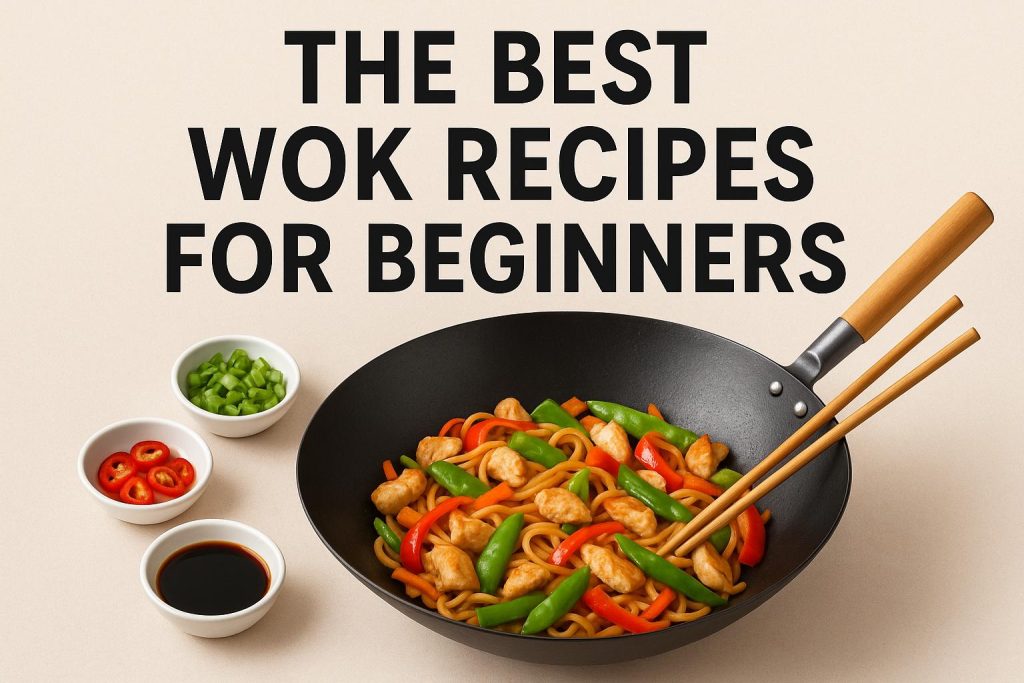
One of the most straightforward yet delicious dishes to prepare in a wok is a chicken stir-fry. This dish not only serves as a staple in many cuisines but also provides an excellent starting point for beginners aiming to hone their wok cooking skills.
Ingredients:
Chicken breast, sliced; bell peppers; broccoli; soy sauce; ginger; garlic; peanut oil.
Instructions:
1. Begin by heating the wok over high heat until it gently smokes, signaling readiness.
2. Add a tablespoon of peanut oil, followed by the quick addition of sliced ginger and garlic to infuse the oil with flavor.
3. Stir in the sliced chicken, cooking it until it loses any pinkness, ensuring it’s thoroughly cooked.
4. Incorporate the bell peppers and broccoli, maintaining a constant stir to promote even cooking and vibrant colors.
5. Finally, pour in the soy sauce, tossing all ingredients to ensure an even coat of flavor.
For those seeking more detailed recipes and additional tips, numerous websites dedicated to Asian cooking offer an abundance of resources.
Vegetable Fried Rice
Utilizing a wok for preparing fried rice results in a dish that offers a delightful balance of textures and flavors, making it a perennial favorite among rice dishes.
Ingredients:
Cooked rice; onion; peas; carrots; eggs; soy sauce.
Instructions:
1. Commence by heating oil in the wok and introducing diced onions to begin the aromatic foundation.
2. Add the peas and carrots, cooking until they achieve a tender consistency but with a slight crispness.
3. Shift the vegetables to the side, creating space to scramble two eggs in the cleared area, allowing them to integrate smoothly.
4. Continue by incorporating the cooked rice, ensuring thorough mixing of all ingredients for an even distribution of flavors.
5. Complete the dish with a generous splash of soy sauce, fine-tuning the taste to your preference.
Conclusion
By embarking on these basic recipes, beginners can steadily build confidence in their wok cooking skills. As familiarity with the wok increases, the prospect of exploring more complex techniques and diverse recipes becomes an enticing culinary exploration. It is important to remember that practice is key in perfecting the art of wok cooking. The more you engage with your wok, the more proficient you will become, resulting in consistent and delicious results. For additional reading and advanced recipes, exploring culinary blogs and dedicated cooking platforms can expand your knowledge and skills, transforming your culinary repertoire into an expansive array of flavorful dishes.
Introduction to Cooking Seafood in a Wok
Cooking seafood in a wok is an efficient and versatile method for preparing a flavorful meal. Woks are well-suited for quick cooking at high temperatures, which helps to preserve the delicate texture and taste of seafood. Mastering this technique involves understanding the wok’s unique properties and selecting the right seafood and ingredients to achieve the best results.
Choosing the Right Seafood
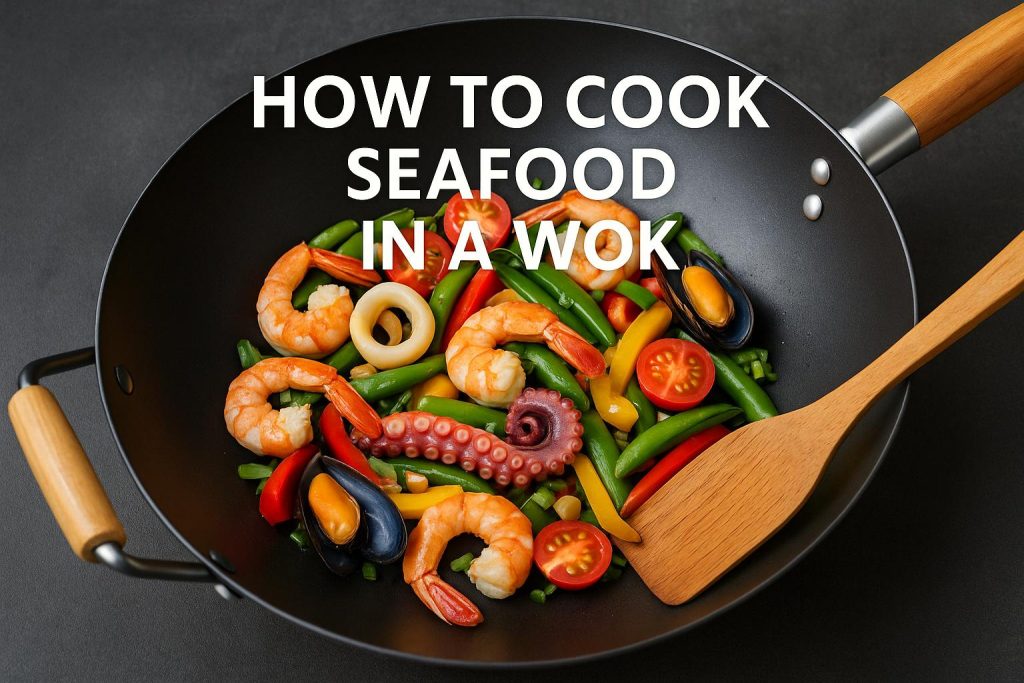
Selecting fresh seafood is crucial, as it greatly impacts the final dish’s flavor and texture. While you can experiment with various types of seafood, there are a few common choices that are particularly well-suited for wok cooking, such as shrimp, scallops, squid, and certain types of fish. Each type of seafood requires slightly different handling, so gaining an understanding of these nuances can significantly elevate your cooking.
Shrimp: When preparing shrimp for cooking in a wok, it is important to de-vein and peel them beforehand. Shrimp cook quickly and are best added towards the end of the cooking process to prevent them from becoming overcooked and rubbery.
Scallops: For the best results, select dry-packed scallops instead of wet-packed ones. Pat the scallops dry before cooking to achieve a good sear. A well-seared scallop will have a caramelized crust on its surface, enhancing its texture and flavor.
Squid: To prepare squid for cooking, cut it into rings or strips. Squid benefits from brief cooking as extended periods of heat result in a rubbery texture. The rapid heat of a wok ensures squid remains tender and flavorful.
Fish: Opt for firmer varieties of fish, such as salmon or halibut, as they are more likely to hold their shape during cooking. These types of fish fare well in a wok’s high heat and can deliver satisfying flavor and texture when cooked correctly.
Preparing Seafood for the Wok
Proper preparation of your seafood is paramount to ensure the best results when cooking. Start by making sure the seafood is thoroughly cleaned and cut into uniform pieces. Uniformity in size allows for even cooking, which is particularly important when using high-heat methods in a wok.
Marinating is a technique that can enhance the flavor and texture of seafood. Common marinade ingredients include soy sauce, ginger, garlic, and a splash of sesame oil. These elements impart savory and aromatic notes that complement the natural tastes of the seafood. Allow the seafood to marinate for at least 15 minutes before cooking, but avoid over-marinating as it can affect the seafood’s texture.
The Importance of Wok Preparation and Cooking Techniques
The preparation and cooking technique applied to the wok are as vital as the seafood itself. Proper preparation of the wok ensures that the seafood cooks efficiently and does not stick to the surface.
Seasoning the Wok: If you are using a new wok, seasoning it is necessary. To season, apply a light coat of oil and heat it until the wok reaches smoking temperature. This process builds a protective layer on the surface of the wok, allowing for non-stick cooking and protection against rust.
Preheat the Wok: Always ensure that the wok is preheated until it’s smoking hot before adding any ingredients. This high heat is crucial for successful stir-frying and quick cooking, characteristics for which the wok is renowned. Cooking at lower temperatures can lead to undesirable results, such as steaming instead of searing.
Cooking Order: To achieve the best texture, start by cooking the seafood separately from other ingredients. This method helps avoid overcooking, which could result in tough or rubbery seafood. Cooking proteins separately also allows you more control over the final texture and flavor.
Accompaniments and Final Touches
Seafood cooked in a wok can be enhanced by adding a variety of vegetables and certain garnishes. Vegetables like bell peppers, snap peas, or bok choy are excellent options, as they add both color and nutrients to the dish. The vibrant reds, greens, and yellows from these vegetables not only make your dish more visually appealing but elevate its nutritional profile as well.
For added flavor, consider incorporating scallions, cilantro, or a squeeze of lime at the end of the cooking process. Scallions and cilantro provide freshness and a burst of flavor, while a touch of lime juice can accentuate the seafood’s flavor with its citrusy, tangy taste.
Conclusion
Cooking seafood in a wok offers a culinary adventure that is both straightforward and rewarding. By choosing fresh seafood, paying attention to preparation, and effectively using the wok’s high-heat capabilities, you can craft a variety of flavorful and nutritious dishes. The techniques discussed are a foundation upon which you can build more complex recipes as your confidence grows.
Exploring further resources can deepen your understanding and skill set in wok cooking. Consider sources such as culinary schools, cooking classes, or trustworthy cooking websites to expand your repertoire. As you become more familiar with this cooking process, the possibilities for creative and delicious seafood dishes are virtually limitless.
The Significance of Wok Cooking in Japanese Cuisine
Wok cooking, often synonymous with Chinese culinary techniques, has carved out a unique and influential niche in Japanese cuisine. Though the wok is not the mainstay of traditional Japanese kitchens, its adaptability and efficiency have made it a valuable addition to the contemporary Japanese culinary landscape.
The Introduction of the Wok in Japan
Japan’s introduction to the wok can be traced back to its historical cultural and culinary exchanges with China. These interactions brought the wok to Japanese shores, where its capability to cook food swiftly at high temperatures was seen as an appealing innovation to the established cooking traditions. With increasing globalization, the exchange of international culinary tools and techniques surged, leading to the natural incorporation of the wok into the broader spectrum of Japanese cooking.
Characteristics of a Wok
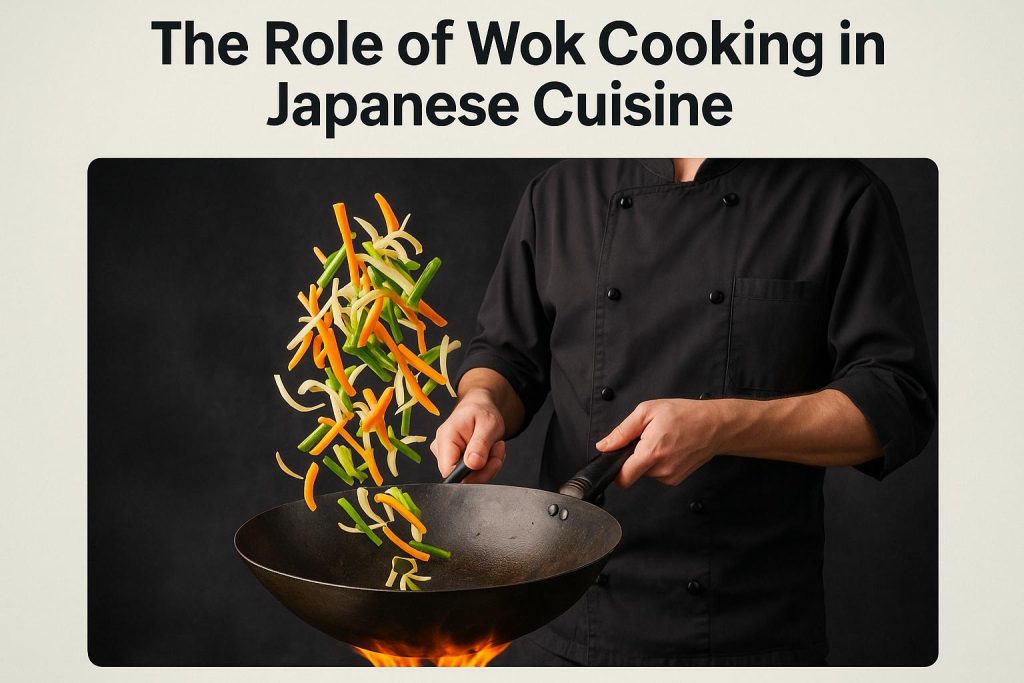
A wok is a versatile, round-bottomed cooking vessel known for its high efficiency in evenly conducting heat. The design of a wok allows for fast cooking, which is beneficial for methods that require precise temperature control, such as stir-frying, steaming, and deep-frying. In Japanese cuisine, its shape and construction enhance the flavor and texture profiles of various ingredients, offering a means to expand and diversify cooking styles. For example, when used in stir-frying, the sloped sides of a wok allow the chef to quickly toss ingredients, ensuring even cooking.
Applications in Japanese Dishes
Within Japan, the wok’s utility is evident in a variety of modern dishes, especially in urban areas and fusion restaurants where new culinary traditions are embraced. While traditional Japanese cooking tends to favor implements such as the *donabe* (a type of earthenware used for slow cooking) and *nabe* (a communal pot often used in simmering dishes), the wok offers an efficient alternative.
Stir-Frying
Stir-frying is perhaps the most common application of the wok in Japan. This method allows for rapid cooking that preserves the nutrients and natural flavors of the ingredients, a principle highly valued in Japanese cuisine. The ability to quickly seal in these elements has made stir-frying an indispensable technique in modern variations of vegetable and meat dishes.
Tempura
Although tempura—a traditional dish of battered and deep-fried seafood or vegetables—is typically prepared in a heavy-bottomed pot, the wok’s design can also be leveraged for this purpose. The even heat distribution and depth of a wok offer consistent temperature control, which is critical to achieving the light, crisp finish that is the hallmark of good tempura.
Yakisoba
Another dish where wok cooking plays a role is *yakisoba*, a popular street food. This dish consists of Japanese noodles coupled with vegetables and meat, rapidly fried to create a flavorful mix of ingredients. The wok’s functionality in quickly distributing heat facilitates the creation of yakisoba with the desired texture and complexity of taste.
Modern Influence on Japanese Home Cooking
The impact of wok cooking is not restricted to professional settings; it has permeated into Japanese homes as well. The advent of electric woks and hybrid cookware has made it feasible for more households to explore wok-based cooking. This evolution in home cooking equipment reflects changes in culinary preferences and practices, driven by a desire for versatile and efficient cooking methods.
Adoption and Adaptation
The integration of wok techniques into Japanese home cooking showcases an adaptation to local tastes and cultural heritage. For instance, many families find the wok’s utility in preparing one-pan meals to simplify traditionally intricate recipes without sacrificing flavor or heartiness. This approach resonates well with modern lifestyles that prioritize convenience amid busy schedules.
The Future of Wok Cooking in Japan
As Japanese cuisine continues to develop and adapt, the wok is expected to remain a significant tool for culinary innovation. The current trends emphasizing health-conscious and convenient cooking drive the pursuit of methods that preserve nutritional integrity while delivering authentic taste. The wok, with its capacity for quick and efficient cooking, aligns well with these modern culinary trends.
In conclusion, the role of wok cooking in Japan is a testament to the dynamic nature of culinary traditions, reflecting how cultures can borrow and adapt tools and techniques to enhance their own practices. For anyone interested in understanding the evolving nature of Japanese cuisine, a deeper exploration of resources from culinary schools and academic publications may provide valuable insights.